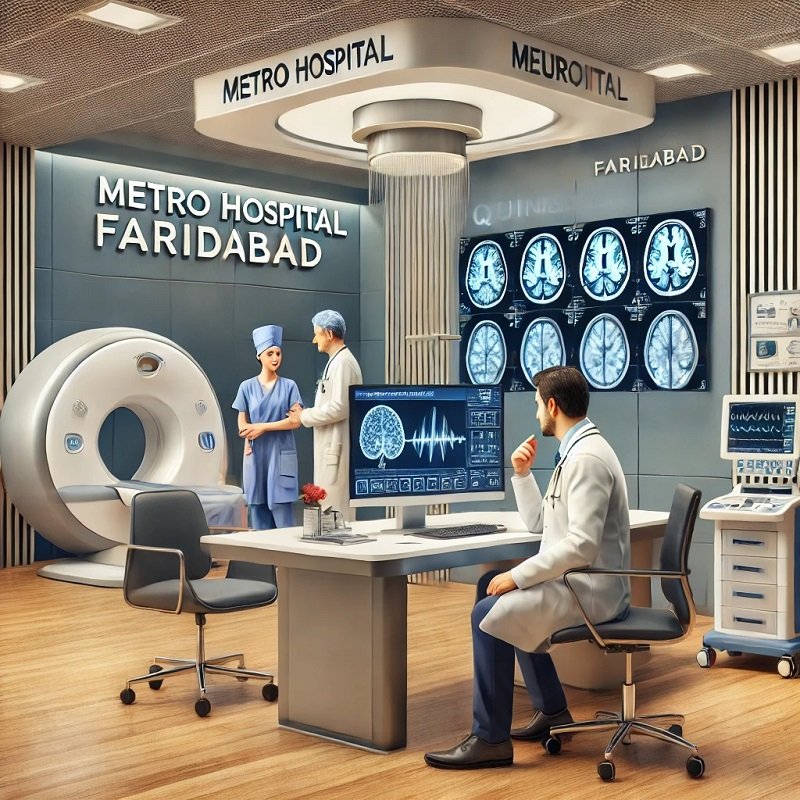
Abdominal Aortic Aneurysm (AAA)
When it comes to the best treatment for Abdominal Aortic Aneurysm (AAA) in Faridabad, patients require a healthcare facility with experienced doctors, advanced technology, and a proven track record. Metro Hospital, Faridabad, stands out as the leading choice, offering cutting-edge solutions tailored to the unique needs of each patient. In this comprehensive guide, we delve into what AAA is, its symptoms, risk factors, treatment options, precautions, post-care, and why Metro Hospital is your best bet for treatment.
What Is Abdominal Aortic Aneurysm (AAA)?
An abdominal aortic aneurysm (AAA) occurs when the wall of the aorta – the largest blood vessel in the body – weakens and begins to bulge in the abdominal region. Over time, this bulge may expand, increasing the risk of rupture, which can lead to life-threatening internal bleeding.
The condition often develops silently, meaning that many patients do not experience symptoms until the aneurysm grows significantly or ruptures. Early detection is crucial for effective management and treatment.
Symptoms of Abdominal Aortic Aneurysm
In many cases, AAA does not cause noticeable symptoms in its early stages. However, as the aneurysm grows, patients may experience:
- Abdominal Pain: A persistent, dull, or throbbing pain in the abdomen or lower back.
- Pulsating Sensation: A noticeable pulsing in the abdomen, similar to a heartbeat.
- Back Pain: Radiating pain that may extend to the lower back or sides.
- Sudden, Severe Pain: A sharp, intense pain in the abdomen or back can indicate a rupture, requiring immediate emergency attention.
- Nausea and Vomiting: Accompanying pain in some cases.
Risk Factors for AAA
Several factors contribute to the development of AAA, including:
- Age: People over the age of 65 are at higher risk.
- Smoking: Smoking significantly damages blood vessel walls, making them prone to weakening.
- Gender: Men are more likely to develop AAA than women.
- High Blood Pressure (Hypertension): Increased pressure on the blood vessel walls can lead to aneurysm formation.
- Atherosclerosis: Hardening of the arteries due to cholesterol deposits weakens the vessel walls.
- Family History: A genetic predisposition increases the risk.
- Obesity: Excess weight puts additional stress on blood vessels.
- Trauma or Injury: Rarely, physical trauma may contribute to aneurysm formation.
Treatment Options for Abdominal Aortic Aneurysm
The treatment approach for AAA depends on the size, location, and risk of rupture. The primary treatment options include:
1. Monitoring (for Small Aneurysms)
- Regular imaging tests such as ultrasound, CT scans, or MRI to monitor the aneurysm’s growth.
- Lifestyle modifications like quitting smoking, managing blood pressure, and adopting a healthy diet.
2. Medications
- Beta-blockers: To lower blood pressure and reduce stress on the aorta.
- Statins: To manage cholesterol levels and prevent further damage.
3. Endovascular Aneurysm Repair (EVAR)
- A minimally invasive procedure where a stent graft is inserted through a small incision in the groin and placed inside the aorta to reinforce its walls.
- EVAR is less invasive, has a shorter recovery time, and is ideal for patients who are not candidates for open surgery.
4. Open Surgical Repair
- Involves a larger incision in the abdomen to remove the damaged portion of the aorta and replace it with a synthetic graft.
- This method is more invasive but provides a long-lasting solution for large or complex aneurysms.
Precautions Before Treatment
- Regular Screening: Particularly for individuals over 65 or those with a family history.
- Quit Smoking: Reduces the risk of aneurysm growth and rupture.
- Control Blood Pressure: Use prescribed medications and monitor regularly.
- Healthy Diet: Focus on low-sodium, low-cholesterol foods.
- Exercise Regularly: Engage in moderate physical activity to improve cardiovascular health.
- Consultation with Specialists: Seek advice from vascular surgeons for personalized care.
Post-Treatment Care for AAA
After undergoing treatment for AAA, proper post-care ensures a successful recovery and reduces complications:
- Follow-Up Appointments: Regular check-ups to monitor the graft or repair site.
- Medications: Continue blood pressure and cholesterol medications as prescribed.
- Lifestyle Changes: Maintain a healthy diet, quit smoking, and exercise as advised.
- Wound Care (for Open Surgery): Keep the surgical site clean and watch for signs of infection.
- Avoid Strenuous Activities: Give your body time to heal by avoiding heavy lifting or intense exercise.
- Monitor for Symptoms: Be alert for any unusual symptoms like abdominal pain, fever, or changes in pulse rate.
Who Performs AAA Treatment?
Specialists Involved:
- Vascular Surgeons: Experts in managing diseases of the blood vessels. They perform both EVAR and open surgeries.
- Interventional Radiologists: Assist in minimally invasive procedures like EVAR using advanced imaging techniques.
- Cardiothoracic Surgeons: Handle complex cases involving both the thoracic and abdominal aorta.
- Anesthesiologists: Play a critical role in ensuring patient safety during surgery.
Why Metro Hospital, Faridabad, Is the Best Choice for AAA Treatment
1. Experienced Specialists
Metro Hospital boasts a team of highly qualified vascular surgeons and interventional radiologists with years of experience in treating complex AAA cases. Their expertise ensures precise diagnosis and effective treatment.
2. Advanced Technology
The hospital is equipped with state-of-the-art diagnostic tools like high-resolution CT scans, MRI, and advanced imaging systems for minimally invasive procedures such as EVAR.
3. Comprehensive Care
From diagnosis to post-surgical care, Metro Hospital offers a seamless patient journey. The multidisciplinary team collaborates to ensure personalized treatment plans tailored to each patient’s needs.
4. Minimally Invasive Options
With a focus on patient comfort and faster recovery, Metro Hospital specializes in endovascular aneurysm repair (EVAR), reducing hospital stays and complications.
5. Excellent Infrastructure
The hospital provides world-class facilities, including modern operation theaters, intensive care units, and comfortable recovery rooms.
6. High Success Rate
Metro Hospital has a proven track record in treating AAA, with high success rates and positive patient outcomes.
7. Affordable Care
Providing top-notch medical care at competitive prices, Metro Hospital ensures that AAA treatment is accessible to a wide range of patients.
8. Patient-Centered Approach
The hospital prioritizes patient education, empowering individuals to make informed decisions about their health.
Conclusion
For individuals seeking the best treatment for Abdominal Aortic Aneurysm (AAA) in Faridabad, Metro Hospital stands as the premier choice. With its experienced doctors, cutting-edge technology, and patient-focused care, it provides comprehensive solutions for AAA management. From early detection to advanced surgical interventions and post-treatment support, Metro Hospital ensures that every patient receives the best possible care.
If you or your loved one is at risk of AAA or has been diagnosed, don’t wait. Contact Metro Hospital, Faridabad, today and take the first step towards a healthier future.
 Appointment
 Find A Doctor
 Lab Report