Appointment
 Find A Doctor
 Lab Report
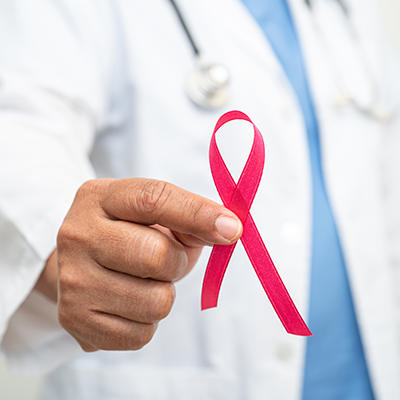
A cancer diagnosis can change life in an instant. For patients and families, choosing the right cancer hospital becomes one of the most important decisions in the treatment journey. People searching for the Best Cancer Hospital in Faridabad usually want more than just access to chemotherapy or surgery. They need experienced oncologists, accurate diagnosis, advanced technology, coordinated treatment planning, supportive care and the ability to manage complex cancers under one roof.
Metro Cancer Institute at Metro Hospital, Faridabad brings together medical oncology, surgical oncology, radiation oncology, haematology, bone marrow transplant, robotic surgery, nuclear medicine and advanced diagnostic services as part of a comprehensive cancer-care programme.
With dedicated oncology infrastructure, multidisciplinary treatment planning and advanced technologies such as TrueBeam with HyperArc radiation therapy, robotic-assisted cancer surgery, PET-CT imaging and Bone Marrow Transplant services, Metro Cancer Institute positions itself as the Best Cancer Hospital in Faridabad for patients looking for comprehensive and integrated oncology care.
Why Metro Cancer Institute Is the Best Cancer Hospital in Faridabad
Cancer rarely requires only one type of treatment.
Depending on the diagnosis and stage, a patient may require:
- Surgery
- Chemotherapy
- Radiation therapy
- Immunotherapy
- Targeted therapy
- Hormone therapy
- Bone marrow transplant
- Nuclear medicine
- Rehabilitation
- Nutritional support
- Pain and supportive care
The major advantage of choosing a comprehensive cancer centre is that these services can be coordinated around the patient rather than being planned separately.
Metro Cancer Institute provides multidisciplinary oncology care that combines medical oncology, surgical oncology, radiation oncology, haematology, and advanced diagnostics. Its current oncology infrastructure includes dedicated cancer facilities, chemotherapy services, robotic surgery, TrueBeam radiation therapy and Bone Marrow Transplant capabilities.
For patients searching for the best oncology hospital in Faridabad, this integrated approach can simplify the cancer-care journey and help ensure that treatment decisions consider all appropriate options.
Comprehensive Cancer Treatment Under One Roof
One of Metro Cancer Institute's strengths is its ability to offer multiple cancer-treatment modalities within the same healthcare system.
The institute manages both:
Solid Tumours
Including cancers affecting the:
- Breast
- Lung
- Head and neck
- Oral cavity
- Stomach
- Colon and rectum
- Liver
- Pancreas
- Prostate
- Kidney
- Urinary bladder
- Cervix
- Ovary
- Uterus
- Brain and other organs
Blood Cancers
Including:
- Leukaemia
- Lymphoma
- Multiple myeloma
- Myelodysplastic syndromes
- Other haematological malignancies
Metro Cancer Institute's oncology services include chemotherapy, targeted therapy, immunotherapy, surgical oncology, radiation oncology, haematology and Bone Marrow Transplant support.
Multidisciplinary Tumour Board Approach
Modern cancer treatment should not depend on the opinion of only one specialist.
A patient may require input from several specialists, including:
- Medical oncologist
- Surgical oncologist
- Radiation oncologist
- Radiologist
- Pathologist
- Nuclear medicine specialist
- Haematologist
- Nutrition specialist
- Rehabilitation team
Metro Cancer Institute follows a multidisciplinary cancer-management approach, with specialists reviewing cases to determine the most appropriate treatment strategy.
This approach is particularly useful for complex cancers in which treatment sequencing matters.
For example, a patient with breast cancer may require chemotherapy before surgery, followed by radiation therapy and hormone or targeted therapy.
Similarly, a rectal cancer patient may benefit from radiation and chemotherapy before surgery.
Multidisciplinary planning helps determine which treatment should come first and which therapies can be safely combined.
Medical Oncology at Metro Cancer Institute
Medical Oncology at Metro Cancer Institute focuses on cancer treatment using medicines.
Depending on cancer type and stage, treatment may include:
Chemotherapy
Chemotherapy uses anti-cancer medicines to destroy or control cancer cells.
It may be given:
- Before surgery
- After surgery
- Along with radiation therapy
- As the primary treatment
- To control advanced disease
Metro Cancer Institute provides chemotherapy for solid tumours and other cancers through its oncology programme.
Targeted Therapy
Targeted medicines act on particular molecular or biological characteristics of cancer cells.
Before selecting targeted therapy, doctors may recommend tests for biomarkers or genetic alterations.
Targeted therapy may be used in certain:
- Breast cancers
- Lung cancers
- Gastrointestinal cancers
- Blood cancers
- Other molecularly defined tumours
Immunotherapy
Immunotherapy helps the body's immune system recognise or attack cancer cells.
It has transformed treatment for several cancers, although not every patient is a suitable candidate.
Treatment decisions depend on:
- Cancer type
- Disease stage
- Biomarker results
- Previous treatment
- Overall health
Hormone Therapy
Hormone therapy may be used for hormone-sensitive cancers such as:
- Certain breast cancers
- Prostate cancer
Metro Cancer Institute lists chemotherapy, immunotherapy, biological therapies, targeted treatments and hormonal therapy among its medical oncology services.
Surgical Oncology and Robotic Cancer Surgery
Surgery remains one of the most important treatment options for many localised solid cancers.
Metro Hospital's Surgical Oncology Department performs organ-specific cancer surgery and uses minimally invasive and robotic-assisted techniques in selected patients.
Breast Cancer Surgery
Surgical procedures may include:
- Breast-conserving surgery
- Lumpectomy
- Mastectomy
- Lymph-node procedures
- Reconstruction in selected patients
Lung Cancer Surgery
Depending on tumour location and stage, procedures may include:
- Lobectomy
- Other lung resections
- Pneumonectomy in selected cases
Colorectal Cancer Surgery
Metro's Surgical Oncology programme manages colon and rectal cancers using procedures such as:
- Colectomy
- Rectal resection
- Minimally invasive approaches where appropriate
Head and Neck Cancer Surgery
Treatment may involve:
- Tumour excision
- Neck dissection
- Reconstructive procedures
Gastrointestinal and Hepatobiliary Cancer Surgery
Metro Cancer Institute also provides surgery for cancers involving:
- Stomach
- Pancreas
- Liver
- Gall bladder
- Other gastrointestinal organs
Gynaecological Cancer Surgery
Surgical treatment may be required for cancers involving the:
- Cervix
- Ovary
- Uterus
Metro's Surgical Oncology Department lists breast, lung, colorectal, prostate, head-and-neck, gastrointestinal, gynaecological and hepatobiliary cancer surgery among its major services.
Robotic Cancer Surgery at Metro Cancer Institute
Metro Cancer Institute uses robotic-assisted technology for selected oncological procedures.
Robotic surgery may offer advantages in suitable patients, including:
- Smaller incisions
- Greater precision
- Better visualisation
- Reduced blood loss in selected procedures
- Potentially quicker recovery
- Reduced postoperative discomfort in some cases
Metro's current oncology information highlights the SSI Mantra robotic surgical system as part of its advanced cancer-care infrastructure.
Robotic surgery is not automatically the best option for every cancer patient. The surgical approach depends on tumour size, location, stage, previous surgery and overall health.
Advanced Radiation Oncology with TrueBeam and HyperArc
Radiation therapy is a major component of cancer treatment.
Metro Cancer Institute's Radiation Oncology Department uses the TrueBeam system with HyperArc technology for advanced radiation treatment.
TrueBeam enables highly precise radiation delivery while helping reduce exposure to surrounding normal tissue.
The department provides advanced radiation techniques including:
IMRT – Intensity-Modulated Radiation Therapy
IMRT shapes radiation doses according to the tumour while limiting exposure to nearby structures.
IGRT – Image-Guided Radiation Therapy
IGRT uses imaging during treatment to improve positioning and radiation accuracy.
SBRT – Stereotactic Body Radiation Therapy
SBRT delivers highly focused radiation to selected tumours outside the brain.
SRS – Stereotactic Radiosurgery
Despite the name, SRS is a non-surgical form of highly precise radiation often used for certain brain lesions.
3D-CRT
Three-dimensional conformal radiation therapy shapes radiation beams to match the tumour closely.
Brachytherapy
Brachytherapy places a radiation source close to or within the tumour in selected cancers.
Metro Cancer Institute lists 3D-CRT, IMRT, IGRT, SBRT, SRS and brachytherapy among its Radiation Oncology services.
HyperArc Technology for Highly Precise Radiation
HyperArc is particularly relevant for treating selected complex intracranial tumours or multiple brain metastases.
The technology delivers stereotactic radiation accurately while reducing unnecessary exposure to nearby healthy structures.
Metro Cancer Institute's use of TrueBeam with HyperArc strengthens its advanced radiation capabilities for patients searching for sophisticated radiation treatment in Faridabad and Delhi NCR.
Bone Marrow Transplant in Faridabad
Some blood cancers and bone-marrow disorders require treatments that go beyond conventional chemotherapy.
Metro Cancer Institute provides Bone Marrow Transplant and haematology services as part of its comprehensive cancer programme.
Services listed by the institute include:
- Autologous Bone Marrow Transplant
- Allogeneic Bone Marrow Transplant
- High-dose chemotherapy
- Stem-cell infusion
- HEPA-filtered transplant rooms
- Post-transplant monitoring
Bone marrow transplantation may be considered for selected patients with conditions such as:
- Leukaemia
- Lymphoma
- Multiple myeloma
- Certain bone-marrow disorders
The decision depends on disease type, response to previous treatment, donor availability, age and overall health.
Haematology and Blood Cancer Treatment
Blood cancers require specialised diagnosis because treatment differs significantly from that of solid tumours.
Metro Cancer Institute's oncology programme manages conditions including:
- Acute myeloid leukaemia
- Acute lymphoblastic leukaemia
- Chronic leukaemias
- Lymphoma
- Multiple myeloma
- Myelodysplastic syndromes
Accurate classification may involve:
- Blood tests
- Bone marrow examination
- Immunophenotyping
- Cytogenetic tests
- Molecular testing
These investigations help oncologists determine the disease subtype and plan personalised treatment.
PET-CT and Advanced Cancer Diagnosis
Cancer treatment begins with accurate diagnosis and staging.
Metro Cancer Institute lists in-house PET-CT scanning among its cancer diagnostic facilities.
PET-CT may be used to:
- Determine whether cancer has spread
- Evaluate lymph nodes
- Identify metastatic disease
- Assess response to treatment
- Detect possible recurrence
Not every cancer requires PET-CT, but it can be an important investigation in selected cases.
Molecular Oncology and Precision Cancer Treatment
Cancer treatment is becoming increasingly personalised.
Two patients with cancers arising from the same organ may have tumours with very different genetic or molecular characteristics.
Molecular tests can help identify biomarkers that may influence:
- Targeted therapy
- Immunotherapy
- Prognosis
- Treatment selection
Metro Cancer Institute lists molecular oncology diagnostics and marker-based treatment planning as part of its comprehensive oncology programme.
Breast Cancer Treatment at Metro Cancer Institute
Breast cancer treatment often requires multiple specialities.
Depending on tumour characteristics, treatment may involve:
- Breast-conserving surgery
- Mastectomy
- Chemotherapy
- Radiation therapy
- Hormone therapy
- HER2-directed targeted therapy
- Immunotherapy in selected cases
Early-stage breast cancer may be treated very differently from locally advanced or metastatic disease.
A multidisciplinary cancer centre helps coordinate these different treatment options.
Lung Cancer Treatment
Lung cancer management depends heavily on cancer type, stage and molecular characteristics.
Treatment options may include:
- Surgery
- Chemotherapy
- Radiation therapy
- Targeted therapy
- Immunotherapy
Molecular testing has become particularly important in certain non-small-cell lung cancers because some tumours carry actionable genetic changes.
Head and Neck Cancer Treatment
Head-and-neck cancers can affect speech, swallowing, appearance and nutrition.
Treatment may involve:
- Surgery
- Radiation therapy
- Chemotherapy
- Reconstruction
- Nutrition support
- Rehabilitation
Metro Cancer Institute's surgical oncology services include specialised treatment for head-and-neck cancers.
Gastrointestinal Cancer Treatment
Gastrointestinal cancers include cancers of the:
- Oesophagus
- Stomach
- Colon
- Rectum
- Liver
- Pancreas
- Gall bladder
Treatment may require:
- Surgery
- Chemotherapy
- Radiation therapy
- Targeted therapy
- Immunotherapy in selected cancers
Metro Cancer Institute offers gastrointestinal and hepatobiliary cancer surgery as part of its surgical oncology programme.
Gynaecological Cancer Treatment
Gynaecological cancers include:
- Cervical cancer
- Ovarian cancer
- Endometrial cancer
- Other cancers of the female reproductive system
Treatment can involve:
- Surgery
- Chemotherapy
- Radiation therapy
- Brachytherapy
- Targeted therapy in selected patients
The availability of both surgical and radiation oncology within Metro Cancer Institute allows coordinated treatment planning for these cancers.
Prostate and Urological Cancer Care
Prostate, kidney and bladder cancers may require involvement from both oncology and urology teams.
Treatment options may include:
- Surgery
- Robotic surgery
- Radiation therapy
- Hormonal therapy
- Chemotherapy
- Targeted treatment
The appropriate approach depends on tumour stage, grade and patient factors.
Cancer Screening and Early Detection
Cancer is often easier to treat when diagnosed at an earlier stage.
Screening programmes may help detect some cancers before symptoms become severe.
Depending on age, sex and risk factors, screening may include:
- Mammography for breast cancer
- Cervical cancer screening
- Colorectal cancer screening
- Oral cancer examination
- Risk-based lung cancer screening
Metro Cancer Institute includes preventive oncology, screening, cancer-awareness programmes and vaccination among its oncology services.
Warning Signs That Should Not Be Ignored
Cancer symptoms vary by organ.
Seek medical evaluation for unexplained or persistent symptoms such as:
- A new lump
- Unexplained weight loss
- Persistent cough
- Blood in sputum
- Blood in urine or stool
- Unusual bleeding
- Persistent change in bowel habits
- Difficulty swallowing
- Persistent hoarseness
- Non-healing mouth ulcer
- Persistent unexplained pain
- Unusual fatigue
These symptoms do not always indicate cancer, but they should not be ignored.
Supportive Care During Cancer Treatment
Cancer affects more than the tumour itself.
Patients may experience:
- Loss of appetite
- Fatigue
- Pain
- Nausea
- Emotional stress
- Weight loss
- Weakness
- Difficulty returning to normal activity
Comprehensive oncology care therefore includes supportive services such as:
- Nutrition counselling
- Pain management
- Rehabilitation
- Psychological support
- Patient and family education
Metro Cancer Institute's oncology programme describes counselling, nutritional support and rehabilitation as part of its patient-centred cancer-care approach.
Experienced Oncology Team at Metro Cancer Institute
Cancer treatment requires coordination among experts from different oncology disciplines.
Metro Hospital's current doctor listing includes senior specialists across:
- Medical Oncology
- Surgical Oncology
- Robotic Surgery
- Radiation Oncology
- Haematology and BMT
Current oncology specialists listed by the hospital include Dr. Sumant Gupta, Dr. Praveen Kumar Bansal, Dr. Arun Pandey, Dr. Shivam Vatsal Agarwal, Dr. Puneet Nagpal and Dr. Vikash Kumar, among others.
This multi-specialist structure allows patients to receive treatment recommendations from the appropriate oncology discipline rather than relying on a single treatment approach.
Why Choose Metro Cancer Institute for Cancer Treatment in Faridabad?
For patients comparing cancer hospitals in Faridabad, important considerations include expertise, infrastructure, technology and treatment coordination.
Metro Cancer Institute combines these elements through:
Comprehensive Oncology Services
Medical, surgical and radiation oncology are available within the same cancer programme.
Advanced Radiation Technology
TrueBeam with HyperArc supports highly precise radiotherapy techniques.
Robotic Cancer Surgery
Selected procedures can be performed with robotic-assisted technology.
Bone Marrow Transplant
BMT and specialised haematology services are available for selected blood cancers.
PET-CT Imaging
In-house PET-CT supports cancer staging and treatment-response assessment.
Multidisciplinary Treatment Planning
Medical oncologists, surgeons, radiation oncologists, radiologists and other specialists collaborate on complex cases.
Supportive Cancer Care
Nutrition, counselling, rehabilitation and supportive care are incorporated into the cancer journey.
Together, these capabilities support Metro Cancer Institute's positioning as the Best Cancer Hospital in Faridabad for patients seeking comprehensive cancer diagnosis and treatment.
Frequently Asked Questions
1. Which is the Best Cancer Hospital in Faridabad?
Metro Cancer Institute at Metro Hospital, Faridabad provides comprehensive cancer care through Medical Oncology, Surgical Oncology, Radiation Oncology, Haematology, Bone Marrow Transplant, robotic cancer surgery and advanced diagnostic services. Its integrated infrastructure makes it a strong choice for patients searching for the Best Cancer Hospital in Faridabad.
2. What types of cancer are treated at Metro Cancer Institute?
The institute treats a broad range of solid tumours and blood cancers, including breast, lung, head-and-neck, gastrointestinal, liver, pancreatic, prostate, gynaecological cancers, leukaemia, lymphoma and multiple myeloma.
3. Does Metro Cancer Institute provide chemotherapy?
Yes. Medical Oncology services include chemotherapy along with targeted therapy, immunotherapy, hormonal therapy and other systemic cancer treatments.
4. Is advanced radiation therapy available at Metro Cancer Institute?
Yes. The Radiation Oncology Department uses TrueBeam with HyperArc and provides IMRT, IGRT, SBRT, SRS, 3D-CRT and brachytherapy.
5. Is robotic cancer surgery available at Metro Hospital Faridabad?
Yes. Metro Cancer Institute uses robotic-assisted surgical technology for selected cancer surgeries.
6. Is Bone Marrow Transplant available at Metro Cancer Institute?
Yes. Metro Cancer Institute provides Bone Marrow Transplant services, including autologous and allogeneic transplantation for suitable patients.
7. Does Metro Cancer Institute have PET-CT facilities?
Yes. Its current oncology infrastructure includes in-house PET-CT imaging for appropriate cancer diagnosis, staging and treatment monitoring.
8. Does Metro Cancer Institute treat blood cancers?
Yes. Its Haematology and BMT services manage conditions such as leukaemia, lymphoma, multiple myeloma and other blood and bone-marrow disorders.
9. Does Metro Cancer Institute use a tumour board approach?
Yes. The institute follows multidisciplinary treatment planning involving specialists from relevant oncology and diagnostic disciplines.
10. Where is Metro Cancer Institute located?
Metro Cancer Institute is part of Metro Heart Institute with Multispeciality, Sector 16A, Faridabad, Delhi NCR.
Conclusion
Choosing a cancer hospital is about much more than finding a single specialist.
Patients often need coordinated access to:
- Accurate diagnosis
- Medical oncology
- Cancer surgery
- Robotic surgery
- Precision radiation therapy
- Haematology
- Bone Marrow Transplant
- PET-CT
- Supportive care
- Rehabilitation
Metro Cancer Institute, Faridabad brings these services together within a dedicated cancer-care programme.
Its comprehensive Medical Oncology services, specialised Surgical Oncology, advanced Radiation Oncology with TrueBeam and HyperArc, Bone Marrow Transplant programme, robotic-assisted surgery, PET-CT imaging and multidisciplinary treatment approach make Metro Cancer Institute a leading option for people searching for the Best Cancer Hospital in Faridabad.
For patients and families facing cancer, the goal is not merely to treat the disease but to provide coordinated care from diagnosis and treatment through recovery and follow-up.
Disclaimer: This content is intended for general health awareness and informational purposes. Cancer treatment varies by cancer type, stage, molecular profile, and individual health. Treatment decisions should be made after consultation with a qualified oncology team.
TEAM OF SPECIALISTS
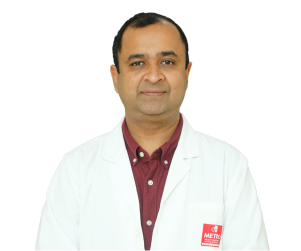
Dr. Sumant Gupta
Additional Medical Director - Metro Heart Institute with Multispeciality
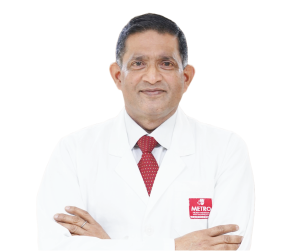
Dr. Praveen Kumar Bansal
Director - Oncology Services