Alzheimer’s Disease
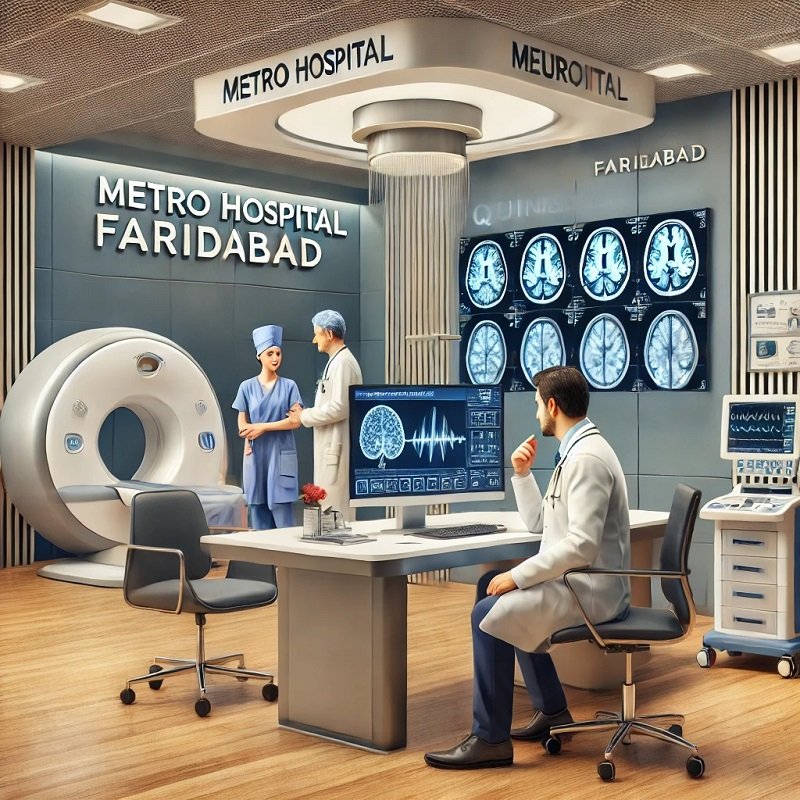
When it comes to finding the best doctor in Faridabad for Alzheimer’s Disease, choosing a healthcare facility with experienced specialists, cutting-edge technology, and a patient-focused approach is crucial. Metro Hospital, Faridabad, is a leading name in providing comprehensive care for neurodegenerative disorders like Alzheimer’s Disease. This article offers an in-depth understanding of the disease, including its symptoms, risk factors, treatment options, precautions, and post-treatment care, while highlighting why Metro Hospital is the best choice for managing Alzheimer’s Disease.
What is Alzheimer’s Disease?
Alzheimer’s Disease is a progressive neurological disorder that causes brain cells to degenerate and die. It is the most common cause of dementia—a group of brain disorders that result in the loss of cognitive abilities such as memory, reasoning, and judgment.
Alzheimer’s typically affects older adults, though early-onset Alzheimer’s can occur in individuals younger than 65. As the disease advances, it interferes with daily activities and significantly impacts the quality of life.
Symptoms of Alzheimer’s Disease
The symptoms of Alzheimer’s disease develop gradually and worsen over time. They can be categorized into three stages:
1. Early Stage Symptoms:
- Mild memory loss, particularly for recent events.
- Difficulty finding the right words during conversations.
- Misplacing items frequently.
- Struggling with planning or problem-solving tasks.
- Confusion about time and place.
2. Middle Stage Symptoms:
- Increased memory loss and confusion.
- Difficulty recognizing family and friends.
- Wandering or getting lost in familiar places.
- Personality and behavioral changes, such as irritability, aggression, or depression.
- Problems with personal hygiene and dressing.
3. Late Stage Symptoms:
- Severe memory loss.
- Inability to communicate effectively.
- Loss of mobility and physical coordination.
- Dependency on caregivers for basic needs.
- Difficulty swallowing, leading to malnutrition or infections.
Risk Factors for Alzheimer’s Disease
Several factors increase the risk of developing Alzheimer’s Disease, including:
1. Age:
- The risk increases significantly after age 65.
2. Genetics:
- Family history of Alzheimer’s or certain gene mutations (e.g., APOE-e4).
3. Lifestyle Factors:
- Poor diet, lack of exercise, smoking, and excessive alcohol consumption.
4. Cardiovascular Health:
- Conditions like hypertension, diabetes, and high cholesterol can increase the risk.
5. Head Trauma:
- A history of severe head injuries.
6. Cognitive Inactivity:
- Lack of mental stimulation and social engagement may elevate risk.
Diagnosis of Alzheimer’s Disease
At Metro Hospital, Faridabad, diagnosing Alzheimer’s involves a detailed evaluation:
1. Medical History:
- Review of symptoms, family history, and overall health.
2. Cognitive Tests:
- Assessing memory, problem-solving, language, and other cognitive functions.
3. Neurological Examination:
- Checking reflexes, coordination, and sensory responses.
4. Brain Imaging:
- MRI or CT Scans: Detect brain shrinkage or other abnormalities.
- PET Scans: Identify amyloid plaques or tau protein tangles.
5. Blood Tests:
- To rule out other conditions like thyroid issues or vitamin deficiencies.
6. Biomarker Testing:
- Advanced tests to detect proteins associated with Alzheimer’s in cerebrospinal fluid.
Treatment Options for Alzheimer’s Disease
While there is no cure for Alzheimer’s, several treatments aim to manage symptoms and improve quality of life. At Metro Hospital, a comprehensive approach is taken:
1. Medications:
- Cholinesterase Inhibitors: Improve communication between brain cells (e.g., Donepezil, Rivastigmine).
- Memantine: Regulates glutamate activity to improve memory and cognition.
- Antidepressants: Manage mood disorders like depression and anxiety.
- Antipsychotics: Address severe behavioral changes.
2. Cognitive Rehabilitation:
- Therapies designed to help patients maintain mental functions.
3. Lifestyle Interventions:
- A heart-healthy diet like the Mediterranean or DASH diet.
- Regular physical activity to boost overall health.
- Brain exercises, including puzzles and memory games.
4. Supportive Therapies:
- Occupational Therapy: Helps maintain independence in daily tasks.
- Speech Therapy: Assists with communication challenges.
5. Advanced Care:
- Caregiver support and counseling to address the challenges faced by families.
Pre-Treatment Precautions
- Early Screening:
- Seek medical advice at the first sign of memory loss or confusion.
- Address Risk Factors:
- Manage chronic conditions like diabetes and hypertension.
- Dietary Changes:
- Incorporate antioxidant-rich foods, omega-3 fatty acids, and whole grains.
- Physical Activity:
- Regular exercise to improve blood flow to the brain.
Post-Treatment Care
- Routine Monitoring:
- Regular follow-ups to adjust medications and evaluate progress.
- Home Modifications:
- Simplify the living space to reduce confusion and accidents.
- Caregiver Support:
- Counseling and training for family members to manage the patient effectively.
- Social Engagement:
- Encourage activities that stimulate social interaction and mental activity.
- Medication Adherence:
- Ensure timely and correct use of prescribed treatments.
Who Performs Alzheimer’s Treatment?
At Metro Hospital, Faridabad, Alzheimer’s care is provided by a multidisciplinary team:
1. Neurologists:
- Specialists in diagnosing and managing neurological conditions.
2. Psychiatrists:
- Address behavioral and emotional symptoms of Alzheimer’s.
3. Geriatricians:
- Focus on the unique needs of elderly patients.
4. Physical and Occupational Therapists:
- Help patients maintain mobility and independence.
5. Nutritionists:
- Develop dietary plans to support brain health.
6. Counselors:
- Provide emotional and psychological support to patients and caregivers.
Why Metro Hospital, Faridabad, is the Best Choice
1. Experienced Neurologists
- Metro Hospital has a team of highly skilled neurologists with vast experience in treating Alzheimer’s Disease.
2. Advanced Diagnostic Facilities
- The hospital is equipped with state-of-the-art imaging and biomarker testing technologies for accurate diagnosis.
3. Comprehensive Care Approach
- A multidisciplinary team collaborates to provide holistic care, addressing every aspect of the disease.
4. Personalized Treatment Plans
- Each patient receives a customized care plan tailored to their specific needs and condition.
5. Caregiver Support Programs
- Metro Hospital offers counseling and resources to help families cope with the challenges of caregiving.
6. Patient-Centric Environment
- The hospital prioritizes comfort, dignity, and safety for Alzheimer’s patients.
7. Affordable Treatment Options
- Combining world-class care with competitive pricing, Metro Hospital ensures accessibility for all patients.
Conclusion
For individuals seeking the best doctor in Faridabad for Alzheimer’s Disease, Metro Hospital is the ultimate destination. With its team of experienced specialists, advanced diagnostic tools, and comprehensive care programs, the hospital is committed to improving the quality of life for Alzheimer’s patients and their families.
If you or your loved one is experiencing symptoms of Alzheimer’s, don’t wait. Contact Metro Hospital, Faridabad, today to schedule a consultation and take the first step toward effective management and care.
 Appointment
 Find A Doctor
 Lab Report