Migraine
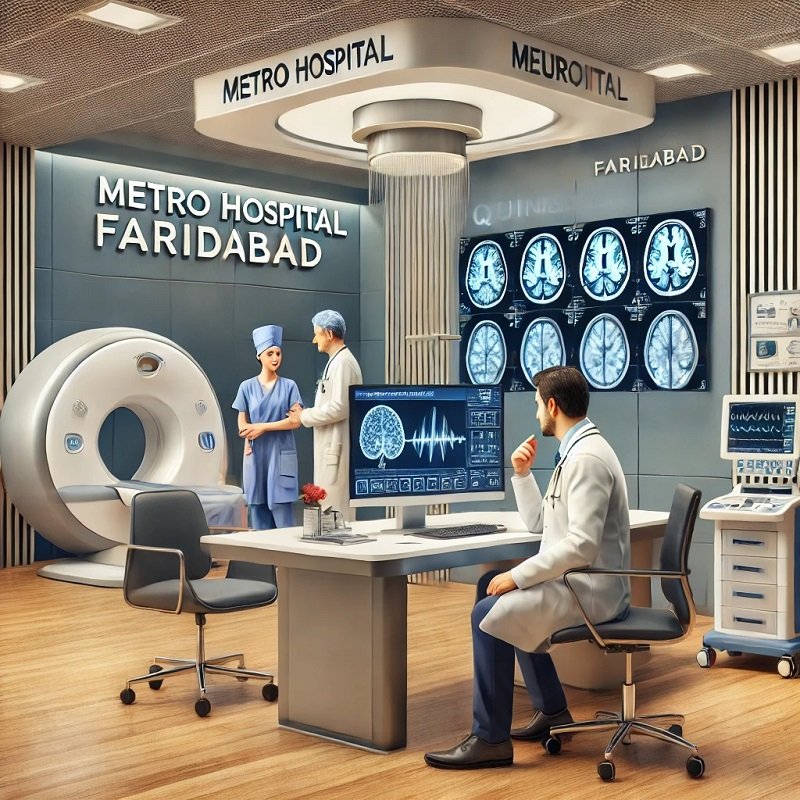
Migraine is a common neurological condition that affects millions of people worldwide. It is more than just a headache; it’s a complex disorder that can severely impact one’s quality of life. For individuals seeking the Migraine best treatment in Faridabad, Metro Hospital, Faridabad, offers expert care, advanced diagnostic tools, and effective treatment plans tailored to each patient’s needs. With a team of skilled neurologists and a patient-focused approach, Metro Hospital ensures comprehensive and compassionate care for migraine sufferers.
In this detailed guide, we will explore what migraines are, their symptoms, how they impact the body, who is most at risk, when to consult a doctor, the available treatment options, and why Metro Hospital is the best choice for migraine care in Faridabad.
What is Migraine?
A migraine is a neurological disorder characterized by recurrent, moderate to severe headaches that are often accompanied by other symptoms. Unlike regular headaches, migraines can last for hours or even days, significantly interfering with daily activities. Migraines are typically categorized into the following types:
- Migraine with Aura:
- Involves sensory disturbances such as visual changes, tingling sensations, or speech difficulties before the onset of the headache.
- Migraine without Aura:
- The most common type, characterized by severe headaches without preceding sensory symptoms.
- Chronic Migraine:
- Occurs more than 15 days per month for at least three months.
- Silent Migraine:
- Involves aura symptoms without the headache.
Symptoms of Migraine
The symptoms of migraines can vary widely but often include the following phases:
1. Prodrome Phase:
- Occurs a few hours or days before the migraine attack.
- Symptoms include mood changes, food cravings, neck stiffness, frequent yawning, and increased thirst or urination.
2. Aura Phase:
- Not experienced by everyone.
- Symptoms include:
- Visual disturbances (flashing lights, blind spots).
- Numbness or tingling in the face or limbs.
- Difficulty speaking or understanding speech.
3. Headache Phase:
- Severe, throbbing pain usually on one side of the head.
- Sensitivity to light, sound, or smells.
- Nausea and vomiting.
- Pain worsens with physical activity.
4. Postdrome Phase:
- Occurs after the headache subsides.
- Symptoms include fatigue, confusion, and a feeling of being unwell.
How Does Migraine Impact the Body?
Migraines affect not just the head but the entire body. Here are some ways migraines can impact overall health:
- Neurological Effects:
- Recurrent migraines can lead to cognitive difficulties, such as memory and concentration issues.
- Emotional Well-being:
- Chronic migraines are associated with anxiety, depression, and mood swings.
- Physical Symptoms:
- Severe migraines can cause nausea, vomiting, and dizziness, limiting physical activity.
- Quality of Life:
- Frequent migraines can interfere with work, social activities, and daily routines.
- Increased Risk of Stroke:
- Rarely, migraines with aura may increase the risk of stroke.
Who is Most at Risk of Migraine?
Anyone can experience migraines, but certain groups are more susceptible:
- Women:
- Women are three times more likely to experience migraines than men due to hormonal fluctuations.
- Family History:
- A genetic predisposition increases the likelihood of migraines.
- Young Adults:
- Migraines often begin in adolescence or early adulthood.
- Stress-Prone Individuals:
- High levels of stress and anxiety are common triggers.
- Lifestyle Factors:
- Irregular sleep patterns, poor diet, and excessive caffeine or alcohol consumption.
When to Consult a Doctor?
It is important to seek medical attention if you experience:
- Frequent or severe headaches that interfere with daily life.
- Headaches accompanied by visual disturbances, numbness, or weakness.
- A sudden, severe headache unlike any you’ve had before.
- Symptoms that worsen despite over-the-counter medications.
- Chronic headaches occurring more than 15 days per month.
For the Migraine best doctor in Faridabad, visit Metro Hospital, where experienced specialists provide accurate diagnoses and effective treatment plans.
Treatment Options for Migraine
At Metro Hospital, Faridabad, migraine treatment is comprehensive and tailored to each patient’s needs. Here are the key treatment options:
1. Medications:
- Acute Treatment:
- Pain relievers like ibuprofen or acetaminophen.
- Triptans to relieve migraine symptoms during an attack.
- Preventive Treatment:
- Beta-blockers, antidepressants, or antiepileptic drugs to reduce the frequency of migraines.
- CGRP inhibitors for chronic migraines.
2. Lifestyle Modifications:
- Sleep Hygiene:
- Maintaining consistent sleep schedules to reduce triggers.
- Dietary Adjustments:
- Avoiding trigger foods like caffeine, alcohol, and processed foods.
- Stress Management:
- Practicing relaxation techniques like yoga, meditation, and deep breathing.
3. Botox Injections:
- FDA-approved treatment for chronic migraines to reduce the frequency and severity of attacks.
4. Cognitive Behavioral Therapy (CBT):
- Helps patients manage stress and identify migraine triggers.
5. Advanced Diagnostic Tools:
- MRI, CT scans, and blood tests to identify underlying causes of migraines.
6. Physical Therapy:
- Improves posture and relieves muscle tension to prevent migraines.
Why Metro Hospital, Faridabad, is the Best for Migraine Treatment
If you are searching for the Migraine best treatment in Faridabad, Metro Hospital offers unmatched care and expertise. Here’s why:
1. Expert Neurologists:
- The hospital is home to the Migraine best doctor in Faridabad, specializing in diagnosing and managing migraines effectively.
2. Advanced Diagnostic Facilities:
- State-of-the-art technology ensures accurate diagnoses and personalized treatment plans.
3. Comprehensive Care:
- From medication to therapy and lifestyle counseling, Metro Hospital provides holistic care.
4. Personalized Approach:
- Each treatment plan is tailored to the patient’s symptoms, triggers, and lifestyle.
5. Multidisciplinary Team:
- Collaboration between neurologists, physiotherapists, and dietitians ensures complete care.
6. Affordable and Accessible:
- High-quality treatment at competitive rates ensures accessibility for all patients.
Tips for Managing Migraines
- Keep a Migraine Diary:
- Track triggers, symptoms, and relief methods to identify patterns.
- Stay Hydrated:
- Drink plenty of water throughout the day.
- Exercise Regularly:
- Engage in low-impact exercises like walking or swimming.
- Avoid Trigger Foods:
- Identify and eliminate foods that worsen your migraines.
- Practice Relaxation Techniques:
- Yoga, meditation, and deep breathing can help reduce stress-related triggers.
Conclusion
Migraines can be debilitating, but with the right treatment and management, it is possible to lead a fulfilling life. If you or a loved one is struggling with migraines, trust Metro Hospital, Faridabad, for the Migraine best treatment in Faridabad. With expert doctors, advanced diagnostics, and personalized care, Metro Hospital is dedicated to helping patients manage migraines effectively.
Take control of your health today. Schedule a consultation with the Migraine best doctor in Faridabad at Metro Hospital and find relief from migraine pain.
 Appointment
 Find A Doctor
 Lab Report