Appointment
 Find A Doctor
 Lab Report
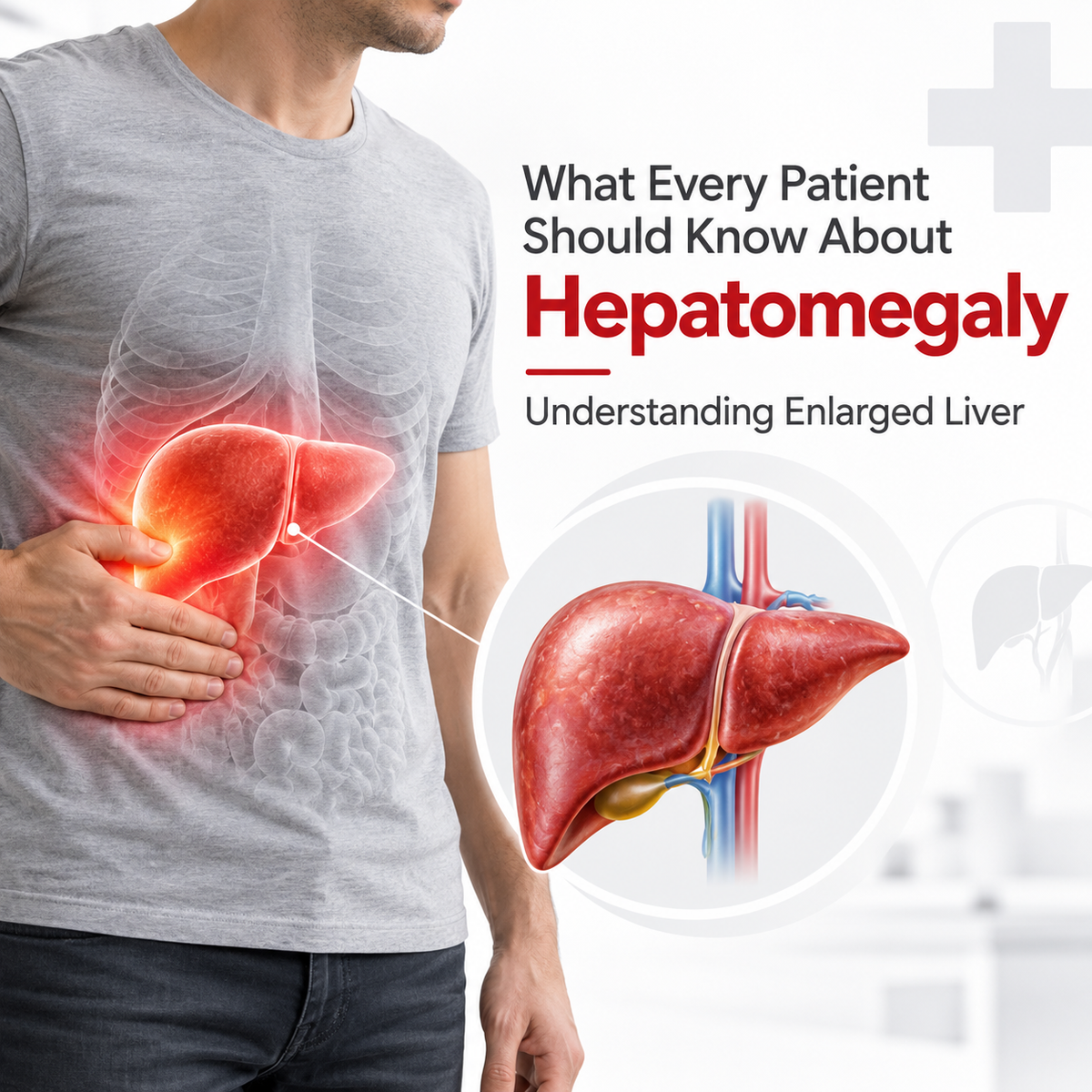
What Every Patient Should Know About Hepatomegaly (Enlarged Liver)
Oct 12, 2026
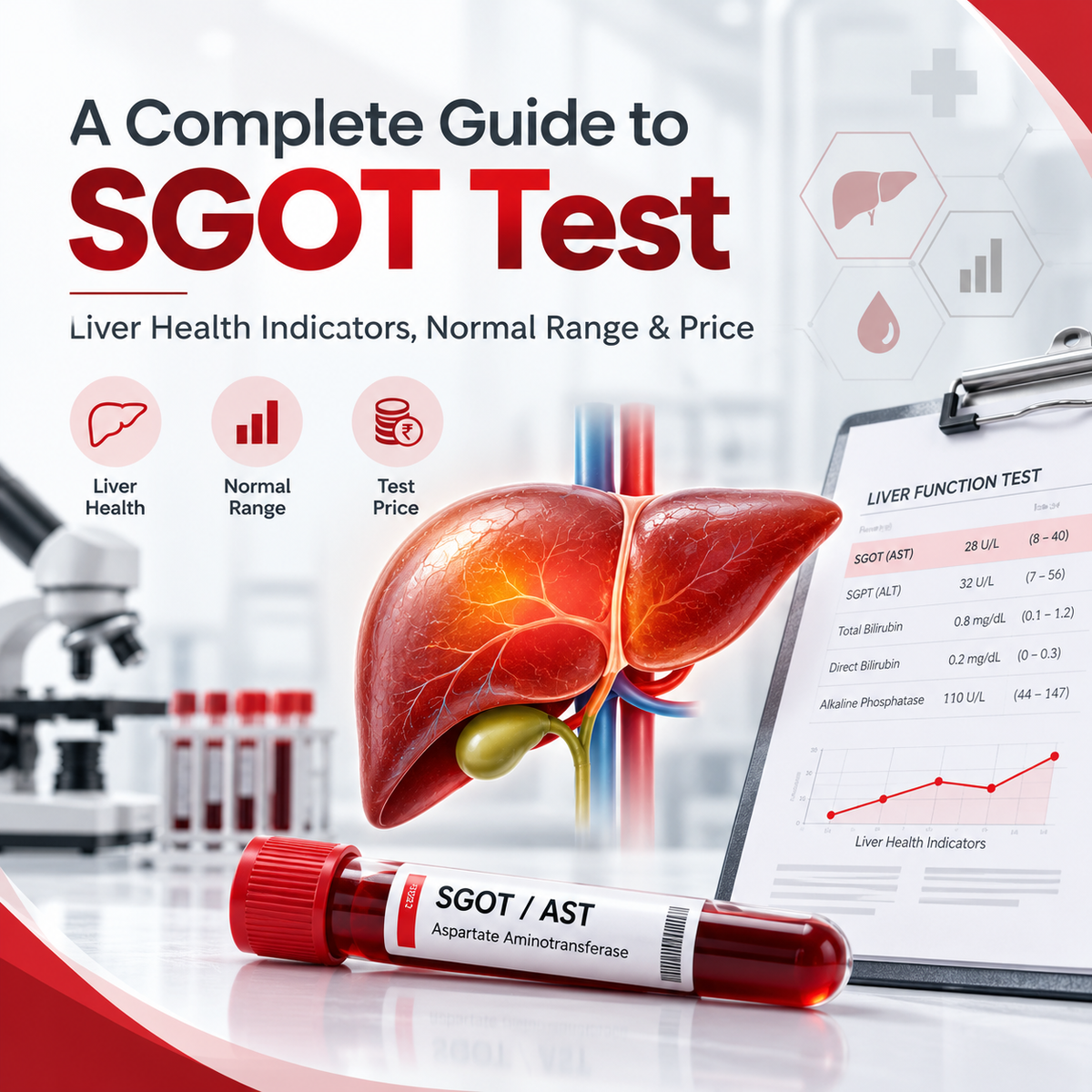
The SGOT test, also known as the AST test, is one of the most commonly ordered blood tests for assessing possible liver injury. It is often included in a liver function test panel and can help doctors evaluate whether the liver, muscles, heart, or other tissues may be under stress or damaged.
SGOT stands for Serum Glutamic-Oxaloacetic Transaminase, while AST stands for Aspartate Aminotransferase. Both names refer to the same enzyme.
A raised SGOT result does not automatically mean you have liver disease. AST is also present in muscles, the heart, kidneys, and other tissues, so interpret the result alongside other tests such as SGPT/ALT, bilirubin, alkaline phosphatase, GGT, symptoms, medical history, and sometimes imaging.
At Metro Hospital, Faridabad, patients with elevated SGOT, SGPT, fatty liver, hepatitis, jaundice, or other liver-related concerns can receive evaluation through the Medical Gastroenterology Department. The hospital also provides round-the-clock Laboratory Services with biochemistry and other diagnostic testing facilities.
This complete guide explains what the SGOT test measures, why it is done, the normal SGOT range, causes of high SGOT, SGOT vs SGPT, test preparation, price, and when an abnormal result requires specialist evaluation.
An SGOT test measures aspartate aminotransferase (AST) levels in the blood.
AST is an enzyme involved in amino acid metabolism. It is found in several tissues, particularly:
Under normal circumstances, only small amounts of AST circulate in the bloodstream.
When cells containing AST are damaged, the enzyme leaks into the blood, causing the SGOT/AST level to rise.
This is why an elevated SGOT result can be associated with liver injury, but it is not specific to the liver alone.
Doctors may order an SGOT test for several reasons.
SGOT is commonly included in a liver panel or liver function test.
It can help identify possible liver-cell injury before noticeable symptoms appear.
An SGOT test may be advised if you have symptoms such as:
Patients with:
may undergo repeat AST and ALT testing to monitor changes over time.
Some medicines and supplements can affect liver cells.
Doctors may check SGOT and SGPT before and during treatment when liver toxicity is a concern.
Because AST is also found in muscle and heart tissue, the test may contribute to the assessment of:
Mayo Clinic notes that AST is used primarily as an indicator of tissue injury rather than a direct measure of liver function.
Yes.
SGOT and AST refer to the same enzyme test.
You may see any of the following names on a blood report:
The modern medical name is AST, but laboratory reports still widely use SGOT.
The normal range varies depending on:
For example, MedlinePlus lists a general reference range of approximately 8–33 U/L, while Mayo Clinic gives broader adult ranges that differ by sex. The key point is that you should use your laboratory’s reference range when interpreting your report.
Never judge a result by comparing it to a single universal number online.
Your doctor will also consider:
No.
A mild elevation may occur temporarily because of:
Mayo Clinic notes that mild AST changes are relatively common and a single abnormal result is usually not enough to establish a diagnosis.
If the elevation persists, the doctor may advise repeating the test or ordering additional investigations.
There are many possible causes.
Metabolic fatty liver disease is a common reason for abnormal liver enzymes.
It is frequently associated with:
SGOT may be mildly or moderately elevated, often along with SGPT.
Metro Hospital’s Medical Gastroenterology Department specifically lists fatty liver and elevated SGOT/SGPT among the conditions it evaluates.
Hepatitis inflames liver cells and can raise AST.
Possible causes include:
The degree of elevation depends on the type and severity of liver injury.
Alcohol can damage liver cells and raise both SGOT and SGPT.
In some alcohol-related liver conditions, SGOT may be higher relative to SGPT, although this ratio should never be used alone to diagnose alcohol-related disease.
Advanced liver scarring can cause abnormal AST levels.
Other findings may include:
Certain medicines and supplements can increase SGOT.
Examples may include:
Never stop a prescribed medicine simply because SGOT is high without consulting your doctor.
AST is present in skeletal muscle.
A rise may therefore occur after:
This is one reason why SGOT is less liver-specific than SGPT.
AST is also found in heart muscle.
Certain cardiac injuries or procedures can raise the level.
Pancreatitis can sometimes be associated with elevated AST.
Excessive iron accumulation can affect the liver and raise liver enzymes.
A significant drop in blood flow to the liver can cause marked AST elevation.
This can occur in severe medical emergencies involving shock or circulatory failure.
The significance depends on how far the result is above the laboratory’s upper reference limit.
A mildly raised SGOT is interpreted very differently from a result that is many times above normal.
For example:
May occur with:
May require investigation for:
Extremely high levels can occur in serious conditions such as severe hepatitis, major liver blood-flow injury, or certain drug overdoses.
Mayo Clinic notes that AST levels about 15 times above the upper limit are considered dangerously elevated and require prompt medical assessment.
Always interpret the absolute number clinically.
SGOT and SGPT are frequently tested together.
AST is found in:
Therefore, it is less specific to the liver.
ALT is found more predominantly in the liver.
For this reason, an increased SGPT/ALT is often more specifically associated with liver-cell injury than SGOT alone.
Mayo Clinic notes that evaluating AST and ALT together provides a clearer picture of possible liver injury.
Doctors may sometimes consider the relationship between AST and ALT.
However, interpret the ratio carefully.
Different patterns can occur with:
A ratio alone cannot diagnose the cause.
It should always be used together with the full liver panel and clinical history.
SGOT is commonly included in a liver function test, but technically it is more accurately described as a marker of tissue or liver-cell injury.
AST does not directly measure how well the liver is performing all of its functions.
Tests such as:
may provide additional information about liver function.
This distinction is important because a patient can have elevated liver enzymes while overall liver function remains relatively preserved.
A doctor may recommend testing if you:
AST may also be included in routine preventive health checks.
The test is simple.
A healthcare professional draws a small blood sample from a vein, usually in the arm.
The sample is then analysed in a biochemistry laboratory.
Metro Hospital’s Laboratory Services include biochemistry testing and are available round the clock. The hospital states that its diagnostic laboratory is NABL-accredited and also provides preventive health check-up facilities.
For an isolated AST/SGOT test, special preparation is often not required.
However, fasting may be requested if SGOT is being tested together with other investigations such as:
Follow the instructions given by the laboratory or doctor.
Because intense physical exercise can increase AST from muscle tissue, your doctor may ask about recent strenuous exercise if your result is unexpectedly elevated.
If you are undergoing repeat testing for unexplained AST elevation, avoiding unusually strenuous workouts beforehand may help reduce confounding.
The actual blood collection usually takes only a few minutes.
Report turnaround time depends on the laboratory.
Many laboratories report AST within the same day or within 24 hours, although this varies.
SGOT test price varies by:
Current publicly listed examples in India show that a standalone AST/SGOT test may commonly be available in roughly the ₹140–₹300 range, although actual prices vary. For example, current listings from major diagnostic providers show prices around ₹190–₹290 in Gurgaon and around ₹250 in Delhi, while other providers list approximately ₹140–₹270 across several cities.
Because hospital laboratory charges and health packages can change, it is best not to rely on an outdated online price.
Patients can contact Metro Hospital’s Laboratory Services for the current SGOT/AST test price, available packages, and sample collection information.
The hospital also lists home collection facilities as part of its laboratory services.
In many situations, a full liver panel is more informative.
A liver function panel may include:
This pattern often provides more useful information than SGOT alone.
For example, a doctor may use the combination to determine whether the problem appears more consistent with:
This pattern can occur.
Because SGOT is also present in muscles and other tissues, high SGOT with normal SGPT may make doctors consider non-liver causes such as:
However, some liver conditions can also produce this pattern.
Further tests may be needed.
Both enzymes rising together make liver-cell injury an important possibility.
Possible causes include:
The degree and pattern of elevation help guide further testing.
Yes.
Fatty liver commonly causes mild or moderate liver enzyme elevation.
However, liver enzymes can occasionally remain normal despite significant fatty liver.
This is why ultrasound, metabolic evaluation, and sometimes FibroScan may be needed rather than relying only on AST and ALT.
Metro Hospital’s Gastroenterology Department manages fatty liver, hepatitis, cirrhosis, portal hypertension, and elevated SGOT/SGPT.
Yes.
Alcohol can injure liver cells and elevate AST.
If your SGOT is abnormal, your doctor may ask:
Avoiding alcohol may be recommended while an abnormal liver result is being evaluated.
Yes.
Heavy exercise can damage muscle fibres temporarily and release AST into the bloodstream.
Mayo Clinic specifically notes that exercise and muscle injury can affect AST results.
If you recently did intense strength training, share this information with your doctor.
Yes.
Medicines and supplements can sometimes affect liver enzymes.
Always tell your doctor about:
Do not stop an essential medicine without professional advice.
No single treatment exists for high SGOT.
The goal is to treat the underlying cause.
Management may include:
Your doctor may recommend stopping alcohol completely.
Treatment depends on the hepatitis type.
The doctor may adjust treatment when appropriate.
Management focuses on the muscle condition rather than the liver.
Never take “liver detox” products solely to reduce SGOT without understanding the cause.
Seek specialist evaluation if:
At Metro Hospital, patients with abnormal liver enzymes can consult the Medical Gastroenterology Department.
The department specifically lists elevated SGOT and SGPT, fatty liver, hepatitis B and C, cirrhosis, portal hypertension, jaundice, and other liver conditions among the problems it manages.
Metro Hospital provides advanced evaluation for liver and hepatobiliary disorders.
Depending on the suspected cause, evaluation may involve:
Patients may also consult Dr. Vishal Khurana – Gastroenterologist in Faridabad, Director & HOD – Gastroenterology & Hepatobiliary Sciences at Metro Hospital.
His current profile lists expertise including FibroScan, ERCP, EUS, upper GI endoscopy and other advanced gastroenterology procedures.
Seek urgent medical care if abnormal liver tests occur with:
Very large AST elevations can sometimes indicate serious acute liver or systemic injury.
The SGOT test measures aspartate aminotransferase, an enzyme found in the liver, muscles, heart, kidneys, and other tissues. Increased levels may indicate tissue injury.
Yes. SGOT and AST are two names for the same blood test.
The normal range varies by laboratory. A commonly cited range is around 8–33 U/L, although age, sex, and laboratory methods can produce different reference limits. Always use the range printed on your report.
High SGOT may occur with liver disease, hepatitis, fatty liver, alcohol-related liver injury, cirrhosis, medicines, muscle injury, pancreatitis, or certain cardiac conditions.
Not necessarily. Fatty liver is one possible cause, but SGOT can increase for several liver and non-liver reasons.
Neither should usually be interpreted alone. SGPT is more liver-specific, while SGOT is present in several other tissues. Doctors often interpret both together.
An isolated AST test generally does not require special preparation, but fasting may be required if other blood tests are being done at the same time.
Yes. Intense exercise or muscle damage can temporarily increase AST.
Current prices vary by city and provider. Public listings from major Indian diagnostic providers commonly show standalone SGOT tests in the ₹140–₹300 range, but you should always confirm the exact amount with your chosen laboratory.
Patients can access biochemistry testing through Metro Hospital’s Laboratory Services in Faridabad. The hospital states that its laboratory is NABL-accredited and provides round-the-clock diagnostic services.
Persistent or significantly elevated SGOT may require evaluation by a physician or gastroenterologist, especially when other liver tests are also abnormal.
Yes. SGOT may return towards normal when the underlying cause—such as fatty liver, alcohol exposure, medicine-related injury, hepatitis, or muscle damage—is effectively managed.
The SGOT test, or AST test, is a valuable blood test for detecting possible tissue and liver-cell injury.
However, it should never be interpreted in isolation.
A high SGOT level may be associated with:
This is why doctors commonly interpret SGOT alongside SGPT, bilirubin, ALP, GGT, and other clinical findings.
If your SGOT level is mildly elevated, there is no need to panic. A single abnormal number does not necessarily indicate serious liver disease. Persistent, significant, or progressively rising abnormalities, however, deserve proper medical evaluation.
At Metro Hospital, Faridabad, patients can undergo blood testing through the Laboratory Services and receive specialist evaluation for abnormal liver enzymes through the Medical Gastroenterology Department.
For liver and hepatobiliary concerns, patients can also consult Dr. Vishal Khurana – Director & HOD, Gastroenterology & Hepatobiliary Sciences.
Timely evaluation helps distinguish a temporary enzyme fluctuation from fatty liver, hepatitis, medication-related injury, or another condition that may require treatment.
Disclaimer: This blog is intended for general health education and awareness only. Laboratory results should always be interpreted by a qualified healthcare professional based on symptoms, medical history, and other investigations.
Hepatomegaly is the medical term for an enlarged liver. It is not a disease on its own. Instead, it usually...

Women’s Health Matters: Common Gynaecological Issues in Winters Winter brings relief from the scorching summer heat, but it also introduces...