Appointment
 Find A Doctor
 Lab Report
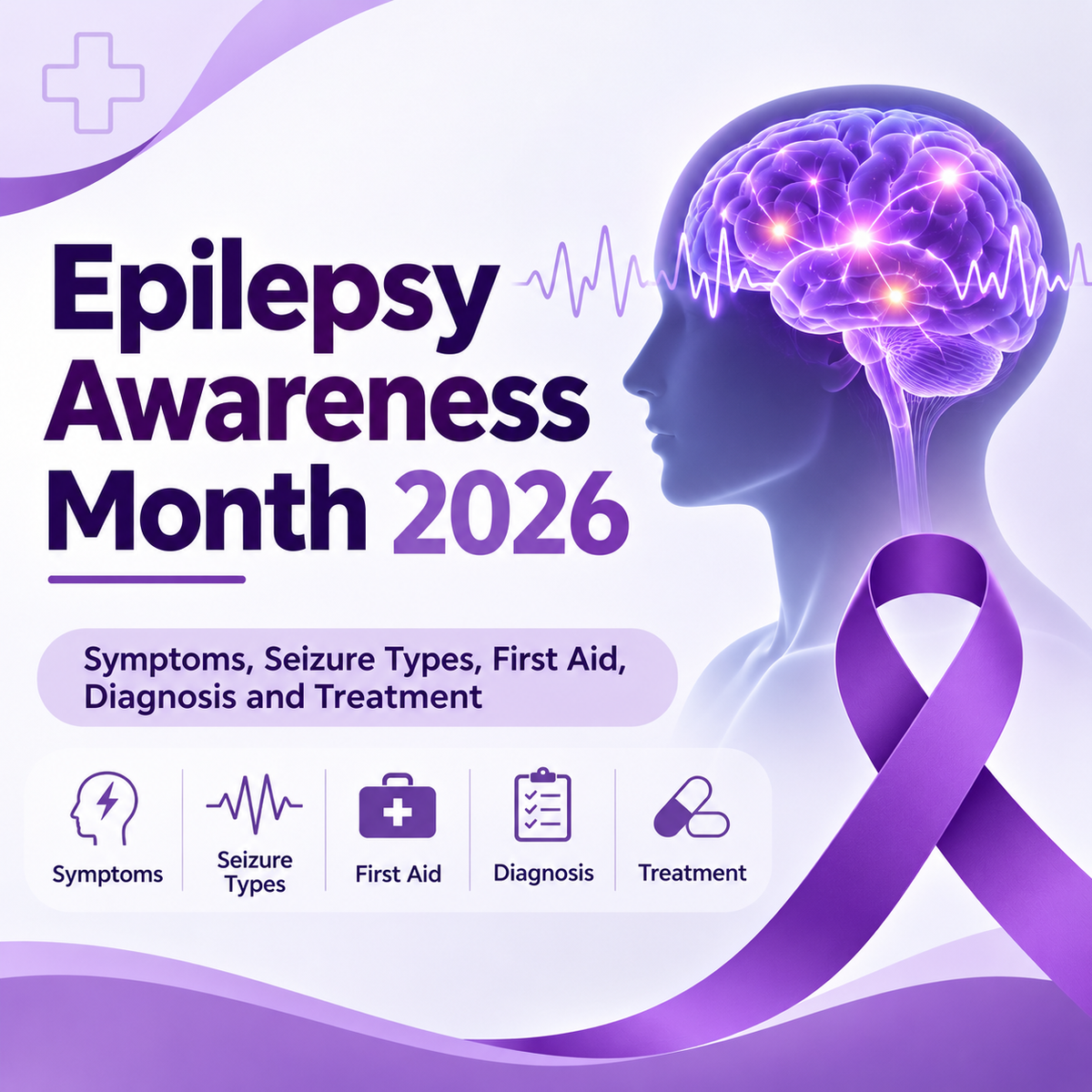
Epilepsy Awareness Month 2026: Symptoms, Seizure Types, First Aid, Diagnosis and Treatment
Nov 4, 2026
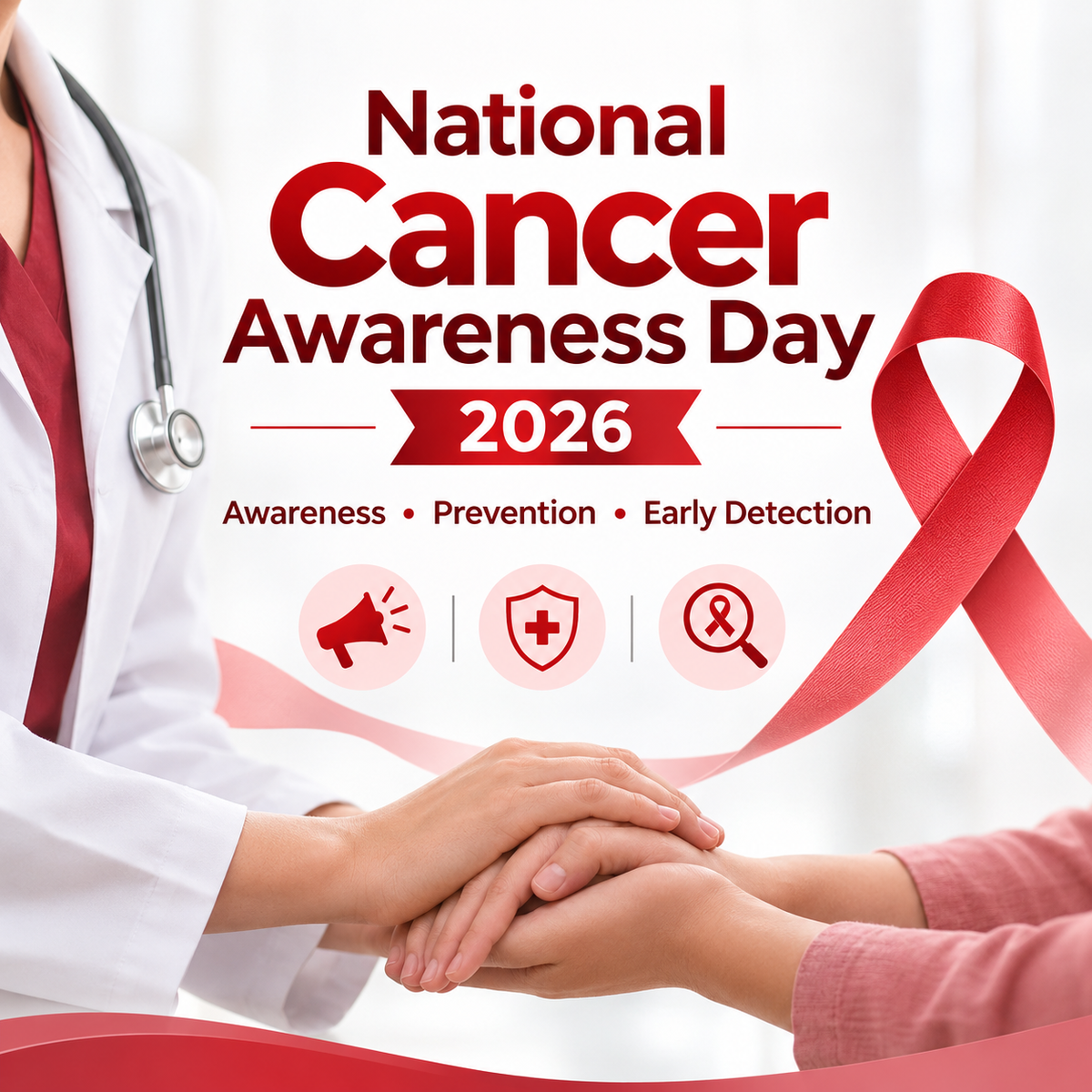
National Cancer Awareness Day 2026 will be observed across India on 7 November 2026 to increase awareness about cancer prevention, early detection, screening and timely treatment.
Cancer is not a single disease. It refers to a large group of diseases in which abnormal cells grow uncontrollably, invade surrounding tissues and, in some cases, spread to distant organs. According to the World Health Organisation, cancer remains one of the leading causes of death globally, with nearly 10 million deaths in 2024. At the same time, many cancers can be prevented, detected earlier or successfully treated when diagnosed at an appropriate stage.
National Cancer Awareness Day is therefore an important reminder that cancer control does not begin only after diagnosis. It begins with:
In India, the Ministry of Health & Family Welfare’s National Programme for Prevention and Control of Non-Communicable Diseases specifically identifies 7 November as National Cancer Awareness Day and encourages intensified screening for common cancers around this period.
At Metro Cancer Institute, Metro Hospital, Faridabad, patients can access comprehensive cancer care through Medical Oncology, supported by Surgical Oncology, Radiation Oncology, haematology, Bone Marrow Transplant, robotic surgery, PET-CT and other advanced diagnostic services. The institute manages both solid tumours and blood cancers through a multidisciplinary approach.
This detailed guide explains the importance of National Cancer Awareness Day 2026, common cancer warning signs, major risk factors, cancer screening, prevention strategies, diagnosis, treatment and when to consult an oncologist.
National Cancer Awareness Day 2026 will be observed on Saturday, 7 November 2026.
The Government of India recognises 7 November as National Cancer Awareness Day in its annual health-day calendar.
The day is used to increase awareness about:
The Ministry’s NCD programme also encourages screening for common cancers such as oral, breast and cervical cancer because early detection can reduce cancer mortality.
Cancer can sometimes remain silent in its early stages.
In other cases, symptoms may be mistaken for common problems such as:
This may delay medical evaluation.
National Cancer Awareness Day encourages people to recognise changes that are:
and to seek appropriate medical advice rather than repeatedly self-treating symptoms.
WHO notes that many cancers have a high chance of successful treatment when detected early and treated appropriately.
Cancer develops when normal cells change and grow and divide uncontrollably.
These abnormal cells may:
This spread is known as metastasis.
Cancer can affect almost any part of the body, including:
Metro Cancer Institute currently lists treatment for a broad range of solid tumours and blood cancers, including breast, lung, head-and-neck, gastrointestinal, urological, gynaecological and haematological malignancies.
WHO reported in July 2026 that cancer accounted for nearly 10 million deaths globally in 2024, or close to one in six deaths worldwide. The most commonly diagnosed cancers globally included lung, breast, colorectal and prostate cancers.
In India, common cancers of major public-health importance include:
The Ministry of Health & Family Welfare specifically includes these cancers in population-level screening programmes because earlier detection can reduce mortality.
Most of these symptoms are more commonly caused by non-cancerous conditions, but persistent unexplained changes deserve evaluation.
Losing weight without dieting or increasing physical activity may require investigation.
Possible causes include:
Weight loss becomes more concerning when associated with:
A new lump may occur in the:
Many lumps are benign, but medical evaluation is advisable if the lump:
Cancer-related bleeding may appear as:
Don’t ignore persistent or unexplained bleeding.
A cough is commonly caused by:
However, a cough that persists for weeks, worsens or occurs with blood in sputum, breathlessness or unexplained weight loss should be medically assessed.
Persistent bowel changes may include:
Such changes can occur with benign digestive conditions but may also need investigation for colorectal disease.
Watch for:
These symptoms may result from infection, stones or prostate disease, but persistent changes require assessment.
A mouth ulcer or skin lesion that does not heal after several weeks should be examined.
Particular concern arises if the area:
Persistent difficulty swallowing can occur with:
but may also be associated with upper gastrointestinal or head-and-neck cancers.
Progressive swallowing difficulty with weight loss deserves prompt investigation.
Fatigue is extremely common.
Potential causes include:
However, severe unexplained tiredness lasting for weeks should not be ignored.
Persistent unexplained:
may require evaluation, particularly when associated with other warning signs.
Watch for a mole or skin lesion that:
The ABCDE approach can help identify concerning changes:
Repeated unexplained fever or drenching night sweats may occasionally occur with blood cancers such as lymphoma or leukaemia.
Evaluation is particularly important when accompanied by:
No.
This is important.
Most symptoms associated with cancer can also be caused by much more common conditions.
For example:
Cancer awareness should encourage timely evaluation, not panic or self-diagnosis.
Cancer usually develops because of a combination of genetic, environmental and lifestyle factors.
WHO identifies several major modifiable risk factors.
Tobacco is one of the most important preventable causes of cancer.
WHO states that tobacco causes more than 20 types or subtypes of cancer and is responsible for millions of deaths every year.
Tobacco includes:
Avoiding tobacco is one of the strongest cancer-prevention strategies.
Alcohol consumption increases the risk of several cancers.
Cancer risk generally increases with greater exposure.
Reducing or avoiding alcohol can therefore contribute to cancer prevention.
Excess body weight is associated with several types of cancer.
WHO identifies high body mass index as an important preventable cancer risk factor.
Maintaining a healthy body weight can also reduce the risk of:
Regular physical activity helps with:
and contributes to overall cancer-risk reduction.
A healthier diet generally emphasises:
while limiting excessive intake of highly processed foods and unhealthy fats.
Some infections increase cancer risk.
Examples include:
HPV is strongly linked with cervical cancer and several other cancers.
Chronic hepatitis infection can increase liver-cancer risk.
Chronic H. pylori infection can increase stomach cancer risk.
WHO reported in 2026 that cancer-causing infections account for an important proportion of global cancer burden.
Long-term exposure to air pollution is an established risk factor for lung cancer.
WHO identifies outdoor and indoor air pollution among modifiable cancer risks.
A major WHO-IARC analysis released in February 2026 estimated that about 37% of new cancer cases globally were linked to preventable causes, or roughly four in ten cases. Tobacco was the largest preventable cause, followed by infections and alcohol.
This does not mean all cancers are preventable.
Genetic factors, ageing and random cellular changes also play an important role.
However, prevention can significantly reduce population-level cancer risk.
If you currently use tobacco, seek professional cessation support.
Avoid excessive weight gain and aim for gradual, sustainable weight control.
Regular physical activity supports metabolic and cardiovascular health and helps prevent cancer.
Include:
Reducing alcohol intake can reduce cancer risk.
HPV and hepatitis B vaccination can help prevent cancers related to these infections in appropriate groups.
Use appropriate sun protection to reduce ultraviolet-related skin damage.
Cancer screening means testing people who do not yet have symptoms to identify precancerous changes or cancer at an earlier stage.
Screening is different from diagnostic testing.
If a person already has symptoms, doctors investigate the symptoms rather than relying only on routine screening.
India’s national NCD programme emphasises population-based screening for common cancers, particularly:
because these cancers represent major public-health priorities and may benefit from earlier detection.
People who use:
should be particularly vigilant.
Warning signs include:
Women should be aware of changes such as:
Mammography may be recommended depending on age, risk and clinical guidance.
Cervical cancer can often be prevented or detected early through appropriate screening.
Methods may include:
HPV vaccination is also an important prevention strategy.
No.
No routine blood test currently reliably screens for every type of cancer.
Tumour markers such as:
have specific clinical roles but should not be used as universal cancer-screening tests without appropriate medical guidance.
Cancer diagnosis depends on the suspected organ.
Evaluation may include:
A biopsy removes a sample of suspicious tissue.
A pathologist examines the tissue to determine:
In many solid cancers, biopsy is the definitive diagnostic step.
Cancer staging describes the extent of disease.
It usually considers:
Broadly, cancer may be:
Treatment decisions depend heavily on stage.
Modern cancer treatment may involve several approaches.
Surgery aims to remove the tumour and sometimes nearby lymph nodes.
It may be used for cancers such as:
Metro Cancer Institute provides specialised Surgical Oncology and robotic cancer surgery for selected tumours.
Chemotherapy uses medicines to kill or control cancer cells.
It may be given:
Targeted therapy targets specific molecular changes within cancer cells.
Eligibility depends on tumour biomarkers.
Immunotherapy helps the immune system recognise or attack cancer cells.
It is used for selected:
Metro Cancer Institute lists biological therapy, immunotherapy and targeted treatment among its oncology services.
Radiation therapy uses high-energy radiation to destroy cancer cells.
Metro Cancer Institute’s Radiation Oncology programme uses TrueBeam with HyperArc and provides techniques including:
for appropriate cancer patients.
Some blood cancers and haematological disorders may require Bone Marrow Transplant.
Metro Cancer Institute integrates haematology and BMT services within its comprehensive cancer programme.
Cancer treatment often requires more than one specialist.
A multidisciplinary team may include:
Metro Cancer Institute uses a multidisciplinary tumour-board approach to decide treatment sequencing and coordinate care for complex cancers.
Patients with suspected or confirmed cancer can seek comprehensive oncology care through Metro Cancer Institute at Metro Hospital, Faridabad.
The institute provides care for:
Including cancers of the:
Including:
Current services include:
The institute’s advanced radiation programme includes TrueBeam with HyperArc.
Available precision techniques include:
These techniques allow radiation oncologists to deliver treatment more precisely while limiting exposure to surrounding healthy tissues where clinically possible.
Metro Hospital’s current doctor directory lists specialists across Medical Oncology, Surgical Oncology and Radiation Oncology, including:
Consider specialist evaluation if you have:
You do not necessarily need to wait until cancer is confirmed before discussing a suspicious finding with an appropriate specialist.
False.
WHO notes that many cancers can be successfully treated when diagnosed early and treated appropriately.
Cancer itself is not contagious.
However, certain infections linked to cancer, such as HPV and hepatitis viruses, can spread between people.
False.
Smoking is a major preventable risk factor, but cancer can also develop because of genetics, infections, ageing, environmental exposure and other factors.
False.
Many cancers do not produce obvious abnormalities in routine blood tests during early stages.
There is no general medical basis for avoiding a medically indicated biopsy because of fear that it will automatically spread cancer.
Biopsy is an essential diagnostic tool for many cancers.
National Cancer Awareness Day 2026 is observed in India on 7 November 2026. The Ministry of Health & Family Welfare includes 7 November in its official health-day calendar.
The day aims to improve awareness about cancer prevention, warning signs, early diagnosis and screening.
Possible warning signs include unexplained weight loss, a persistent lump, unusual bleeding, persistent cough, bowel or urinary changes, non-healing sores, swallowing difficulty and unexplained fatigue.
Not every cancer can be prevented. However, WHO’s 2026 analysis estimated that about 37% of new cancer cases worldwide were linked to preventable causes.
Tobacco is the leading preventable cause globally.
India’s national NCD programme particularly emphasises screening for oral, breast and cervical cancers.
Yes. Many cancers have better treatment opportunities when detected at an earlier stage.
No. Different cancers require different screening and diagnostic tests.
Cancer diagnosis may involve imaging, endoscopy or other investigations, but biopsy is commonly needed to confirm many solid cancers.
Patients can access comprehensive cancer treatment through Metro Cancer Institute, Metro Hospital, Faridabad, which integrates Medical Oncology, Surgical Oncology, Radiation Oncology, haematology, BMT, robotic surgery and advanced cancer diagnostics.
National Cancer Awareness Day 2026, observed on 7 November, is an important reminder that cancer control begins with awareness and prevention—not only treatment.
People should pay attention to persistent warning signs such as:
Most of these symptoms do not mean cancer, but persistent or worsening symptoms deserve professional assessment.
Cancer risk can also be reduced by:
WHO’s latest 2026 analysis indicates that approximately four in ten cancer cases worldwide could potentially be prevented through existing evidence-based prevention strategies and risk-factor reduction.
At Metro Cancer Institute, Metro Hospital, Faridabad, patients can access multidisciplinary cancer care through Medical Oncology, Surgical Oncology and Radiation Oncology, supported by PET-CT, robotic surgery, TrueBeam with HyperArc and Bone Marrow Transplant services.
The message for National Cancer Awareness Day 2026 is simple:
Know the warning signs, reduce preventable risks, participate in appropriate screening and do not delay the evaluation of persistent unexplained symptoms.
Disclaimer: This article is intended for general health education only. Cancer cannot be diagnosed based on symptoms alone. Consult a qualified healthcare professional or oncology specialist for persistent symptoms, abnormal screening findings or individual cancer-risk assessment.