Appointment
 Find A Doctor
 Lab Report

Global Handwashing Day 2026: Theme, Importance, Proper Handwashing Steps and Infection Prevention
Oct 15, 2026
A familiar walk starts feeling more tiring. Climbing stairs brings unexpected breathlessness. Chest discomfort appears during activity but disappears after resting. These changes are sometimes dismissed as stress, acidity or simply getting older. Yet paying attention to them can be an important step towards protecting your heart.
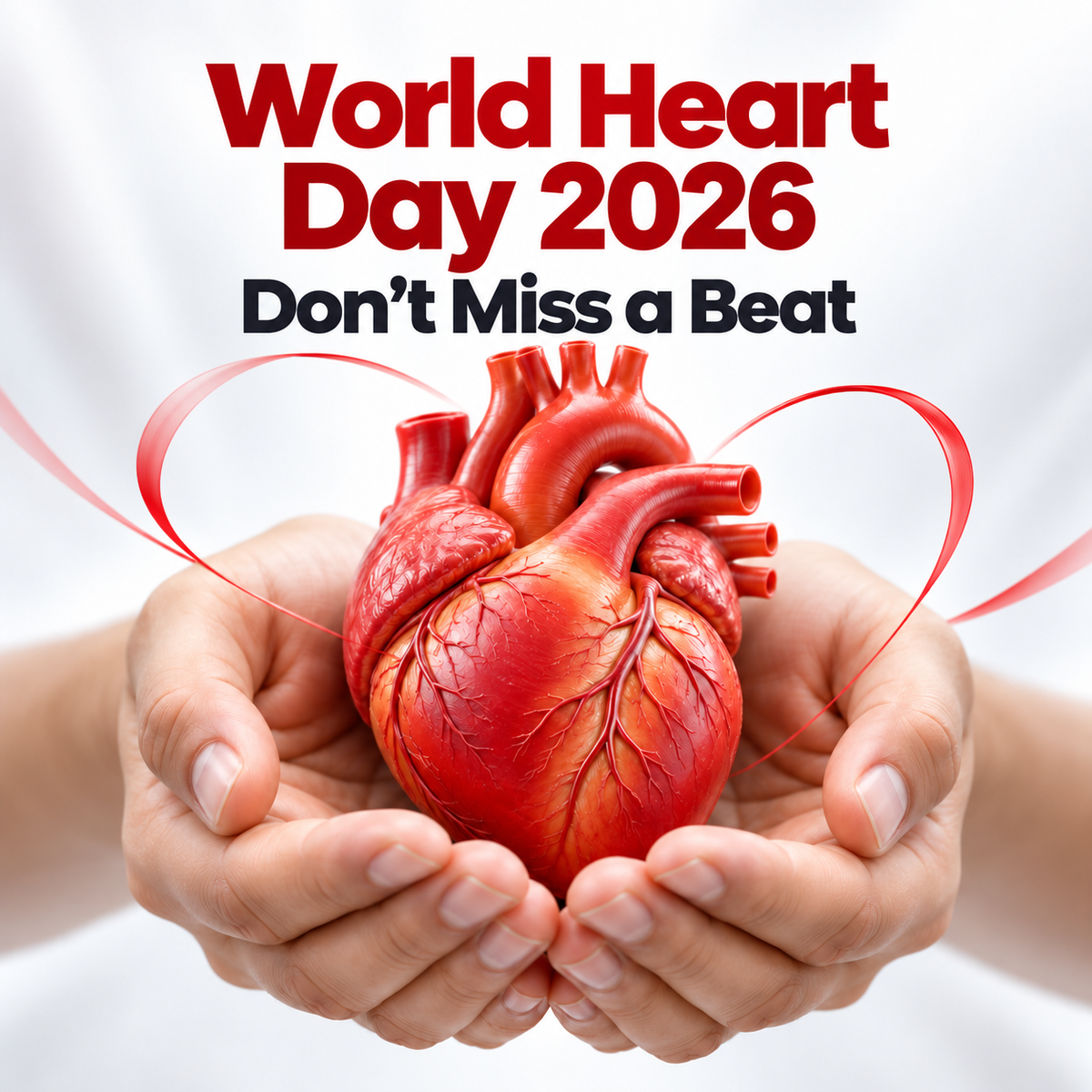
World Heart Day 2026, observed on 29 September, encourages people to understand cardiovascular disease, recognise warning signs and make heart health part of everyday life. The World Heart Federation’s 2026 campaign, “Don’t Miss a Beat,” highlights symptoms that may be overlooked and calls for action to improve prevention and access to care.
Heart health is relevant at every stage of life. Whether you are managing high blood pressure, supporting an ageing parent or trying to build healthier habits, understanding your risk can help you make informed decisions.
The occasion also reminds us that good cardiac care begins before an emergency—with awareness, appropriate health checks and timely conversations with qualified healthcare professionals.
World Heart Day is an annual global awareness initiative focused on cardiovascular health. It brings together healthcare professionals, patients, communities and organisations to encourage prevention and better access to treatment.
The message extends beyond individual lifestyle choices. People also need affordable medicines, accessible healthcare, smoke-free environments and opportunities to stay physically active.
For families, World Heart Day can be a useful starting point for practical conversations. Does everyone know their blood pressure? Has a relative stopped taking prescribed medicine? Is someone ignoring chest discomfort because they are too busy to visit a doctor?
These questions turn awareness into action. A discussion at home or work may encourage someone to seek advice they have been postponing.
The World Heart Day 2026 campaign, “Don’t Miss a Beat,” encourages people to recognise possible warning signs, protect their cardiovascular health and support wider action on heart disease.
Its relevance is easy to understand. People often adjust their routines around symptoms instead of asking why those symptoms have appeared. Someone may avoid stairs, slow their walking pace or stop exercising without discussing the change with a doctor.
The campaign offers a reason to pause and pay attention. Recognising a change does not mean diagnosing yourself. It means knowing when to seek a professional assessment.
Cardiovascular disease is a broad term for conditions affecting the heart and blood vessels. It includes coronary heart disease, conditions affecting blood supply to the brain and other vascular disorders. Heart health also involves the functioning of the heart’s valves, muscle and electrical system.
Some important cardiovascular risk factors include:
Several risks can occur together. For example, someone may have high blood pressure and diabetes without experiencing obvious symptoms. Managing these conditions is an important part of reducing the likelihood of future cardiovascular complications.
A risk assessment should consider the whole person. Age, medical history, family history, habits and test results all help a doctor recommend appropriate next steps.
Heart attack symptoms are not always dramatic. They may begin with discomfort that feels unfamiliar, persistent or different from previous episodes.
Possible warning signs include:
Some people, including women, older adults and people with diabetes, may experience less obvious symptoms or little prominent chest pain. Indigestion-like discomfort, breathlessness or back and jaw pain can occur. These symptoms have several possible causes, but a suspected heart attack needs immediate assessment.
Seek emergency medical help immediately for suspected heart attack symptoms. Do not wait for a routine appointment or drive yourself to hospital. Rest while waiting and follow the emergency team’s instructions. If someone becomes unresponsive and is not breathing normally, begin CPR and use an available AED, following dispatcher or device instructions.
High blood pressure often produces no noticeable symptoms. A person can feel well while it increases their risk of heart disease, stroke and kidney problems. Measuring blood pressure is therefore more useful than relying on how you feel.
Similarly, cholesterol and blood glucose results provide information that symptoms alone cannot. The American Heart Association includes blood pressure, blood sugar and cholesterol management among its key measures for cardiovascular health.
Consider keeping a simple record of your readings, medicines and previous reports. Bring it to appointments rather than relying on memory. Ask what your results mean, whether follow-up is needed and which changes deserve priority.
A health check is most useful when it leads to an understandable plan. The aim is to identify relevant risks and decide what to do about them.
A heart-supportive diet can include familiar, affordable foods. Vegetables, whole fruits, pulses, beans, whole grains and suitable sources of protein can form the foundation of regular meals.
For an Indian household, practical changes might include adding more vegetables to lunch and dinner, choosing whole fruit instead of sugary drinks and eating fried snacks less frequently. Pay attention to packaged foods that contain substantial salt, sugar or unhealthy fats.
Use unsaturated fats in place of saturated fats where possible, and remember that portion size matters alongside food choice. A balanced pattern over time is more useful than searching for one “superfood.”
People with kidney disease, diabetes or other conditions may need individual dietary advice. WHO’s healthy-diet guidance emphasises variety, moderation and limiting excess salt, free sugars and unhealthy fats.
Physical activity supports cardiovascular health and helps reduce time spent sitting. For most adults, a useful baseline is at least 150 minutes of moderate-intensity activity each week, adapted to health and ability.
You can work towards this through manageable sessions. Walking, cycling, swimming or another enjoyable activity may be easier to maintain than an ambitious routine that quickly becomes difficult.
For someone with a desk-based job, short movement breaks can complement planned exercise. Start gradually if you have been inactive. People with known heart disease or symptoms during exertion should discuss suitable activity with their clinician.
Stopping tobacco use is an important step towards lowering cardiovascular risk. Avoiding exposure to other people’s smoke also supports a healthier environment.
If stopping has been difficult, ask a healthcare professional about support. A plan can address triggers, cravings and previous attempts without treating a setback as failure.
Family members can help by keeping shared spaces smoke-free and supporting the person’s efforts. Tobacco cessation is part of the wider prevention approach recommended by WHO, alongside healthy eating, activity and management of medical risk factors.
Sleep belongs in a heart-health routine alongside food and exercise. Most adults need approximately seven to nine hours each night.
A regular bedtime, a comfortable sleeping environment and a routine that allows enough time for sleep are useful starting points. Persistent sleep problems deserve discussion during a medical appointment.
Rather than viewing rest as something to fit in after everything else, plan for it as part of your health. The American Heart Association recognises healthy sleep as one of its essential cardiovascular health measures.
Lifestyle changes are valuable, but some people also need medicines to control blood pressure, diabetes or cholesterol. Treatment can reduce cardiovascular risk when appropriately prescribed and monitored.
If you have concerns about side effects, cost or the number of tablets you take, raise them with your doctor. Ask for a clear explanation of each medicine’s purpose and a practical follow-up schedule.
Write down questions before your visit. A plan that you understand is easier to follow consistently.
A cardiologist evaluates and manages conditions affecting the heart. A consultation may be appropriate for recurrent chest discomfort, unexplained breathlessness, palpitations, fainting or a noticeable reduction in exercise tolerance.
Your primary care doctor may also recommend specialist review based on your risk factors, medical history or examination findings. Symptoms suggesting an emergency should go directly to emergency care.
During a consultation, useful information includes:
Depending on the findings, a doctor may recommend investigations such as an ECG, echocardiogram, rhythm monitoring or other tests. Testing should be selected according to clinical need rather than assuming everyone requires the same package.
For families comparing options for the best heart hospital in Faridabad, relevant factors include specialist expertise, emergency readiness, diagnostic facilities and access to appropriate treatment.
Metro Hospital & Heart Institute, Faridabad, provides comprehensive cardiac care supported by highly qualified cardiologists, cardiac surgeons, cardiac anaesthetists and specialists in heart rhythm disorders. Its published cardiology services include diagnostic assessment, coronary angiography and angioplasty, pacemaker implantation and treatment for selected rhythm problems. The hospital also lists round-the-clock primary angioplasty services for heart attack care.
The hospital’s Structural Cardiology service includes procedures such as TAVI/TAVR, MitraClip and selected heart-defect closure interventions. Suitability depends on the patient’s condition and specialist evaluation; these procedures are not appropriate for every patient.
Access to different cardiac specialists helps patients receive advice relevant to their diagnosis. Someone with a rhythm disorder may need a different approach from a person with coronary artery disease or a valve condition.
For a planned consultation, explore Metro’s Cardiology department and discuss your concerns with the treating team.
World Heart Day can become more meaningful when its message continues after 29 September. Choose a few practical actions that suit your household.
Plan a regular time for activity together. Make shared meals more balanced. Encourage relatives to bring their medicine lists and reports to appointments. Learn how to recognise an emergency and keep relevant contact numbers accessible.
Workplaces can contribute by supporting movement breaks, smoke-free spaces and opportunities to discuss health. Awareness activities are most useful when they help people take a clear next step.
Avoid turning the occasion into a competition over test results or fitness. Different people have different health needs. A realistic plan, followed consistently, is a more useful goal.
World Heart Day is observed on 29 September 2026. It is an annual occasion for cardiovascular awareness, prevention and action.
The World Heart Federation’s 2026 campaign is “Don’t Miss a Beat.” It encourages people to recognise warning signs, protect their hearts and support better access to cardiovascular care.
Yes. Some people experience breathlessness, nausea, unusual fatigue or discomfort in the jaw or back without severe chest pain. A suspected heart attack requires emergency assessment even when symptoms seem less dramatic.
Yes. High blood pressure commonly has no symptoms. Your doctor can advise how often to measure it based on your previous readings and health history.
Walking can contribute to regular moderate-intensity activity and is a practical option for many people. Build up gradually and seek advice if you have heart disease or develop symptoms during activity.
No. Investigations are chosen according to symptoms, risk factors and clinical findings. A consultation helps determine whether basic assessment, non-invasive tests or more specialised investigations are appropriate.
Not necessarily. Healthy habits and prescribed medicines often work together. People with hypertension, diabetes or raised cholesterol may need ongoing treatment to reduce cardiovascular risk. Discuss any proposed treatment change with your doctor.
For appointments at Metro Hospital, Faridabad, call 7065660066. The hospital is located in Sector 16 A, Faridabad. Its listed emergency contact is 9711914000; suspected heart attack symptoms require immediate emergency help rather than a routine booking. metrohospitalfaridabad.com
Use World Heart Day 2026 to make one decision you can act on: arrange an overdue consultation, understand your blood pressure readings, ask for help stopping tobacco or build a more consistent activity routine.
If someone close to you has been ignoring symptoms, encourage a conversation with a healthcare professional. If you already live with heart disease, use your next appointment to review your treatment and ask the questions that matter to you.
Don’t miss a beat—notice changes, understand your risks and seek care when you need it.