Appointment
 Find A Doctor
 Lab Report

Global Handwashing Day 2026: Theme, Importance, Proper Handwashing Steps and Infection Prevention
Oct 15, 2026
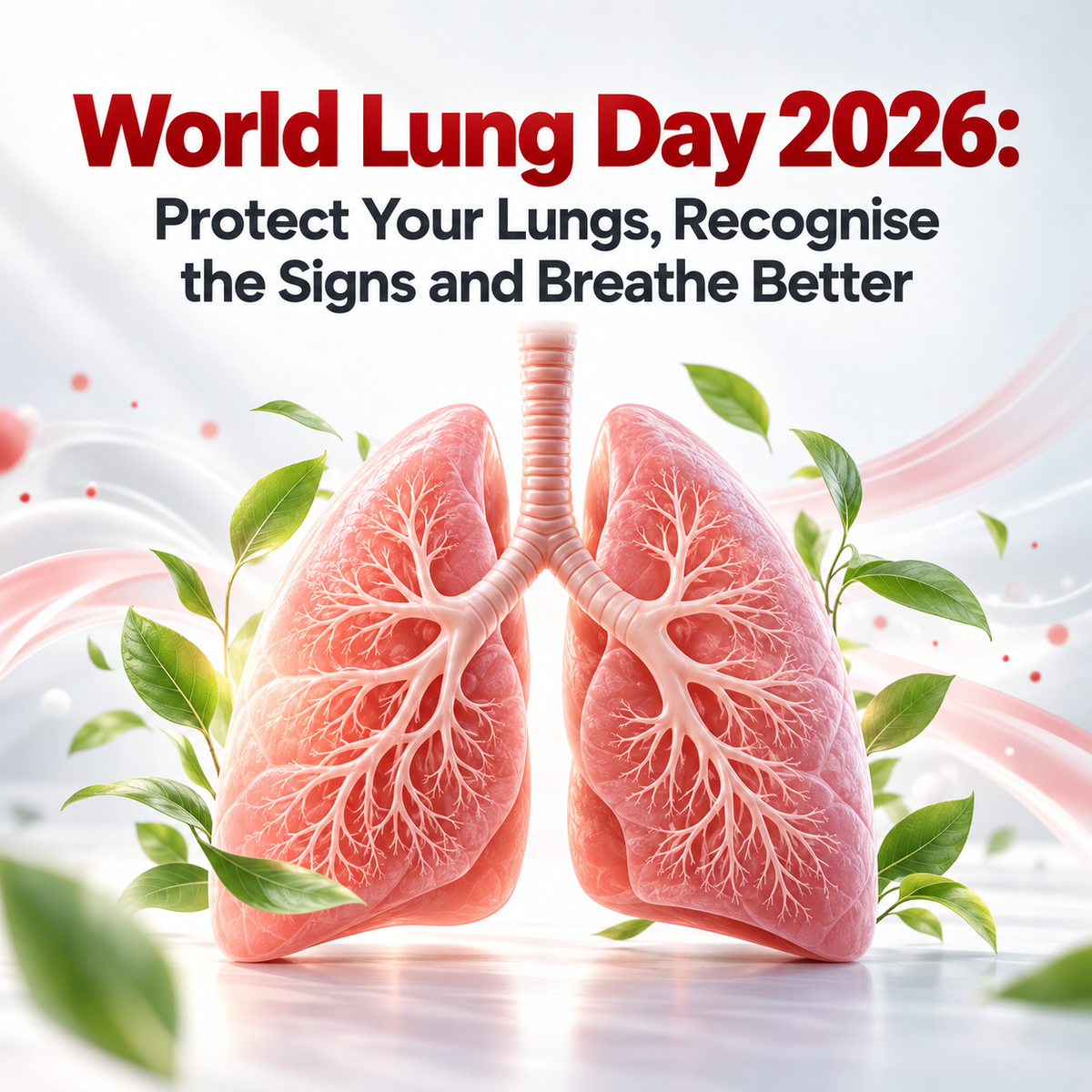
Breathing happens so naturally that we rarely stop to think about it. Yet a persistent cough, difficulty climbing stairs or disturbed sleep due to breathing problems can affect everyday life. Caring for your lungs begins with understanding what harms them and recognising when something has changed.
World Lung Day 2026, observed on 25 September, brings attention to respiratory health and the need for cleaner air, prevention and accessible treatment. Led by the Forum of International Respiratory Societies and its partners, the observance encourages people and communities to take lung health seriously.
Whether you have a diagnosed respiratory condition or simply want to protect your health, the occasion offers a useful reminder: pay attention to your breathing, reduce avoidable exposures and seek advice when symptoms persist.
Your lungs bring oxygen into the body and remove carbon dioxide. Oxygen supports the functioning of your brain, heart, muscles and other organs. Healthy breathing therefore plays a role in everything from walking and working to sleeping comfortably.
Breathing difficulties can develop gradually. Someone may start taking more breaks during a familiar walk or avoid stairs without recognising that their exercise tolerance has changed. These changes deserve attention, particularly when accompanied by coughing, wheezing or chest discomfort.
World Lung Day is an opportunity to notice these patterns. It is also a reminder that people living with respiratory disease need ongoing support, appropriate treatment and environments that make healthy breathing easier.
Different respiratory conditions can produce similar symptoms. Knowing the broad differences can help you understand why a medical assessment is more useful than repeatedly treating a cough on your own.
Asthma affects the airways and can cause episodes of wheezing, coughing, chest tightness and breathlessness. Symptoms may vary over time, and a doctor may recommend breathing tests to help establish the diagnosis.
Chronic obstructive pulmonary disease, or COPD, causes persistent breathing problems. Smoking and air pollution are important risk factors. Although COPD cannot currently be cured, treatment, smoking cessation and pulmonary rehabilitation can help people manage it.
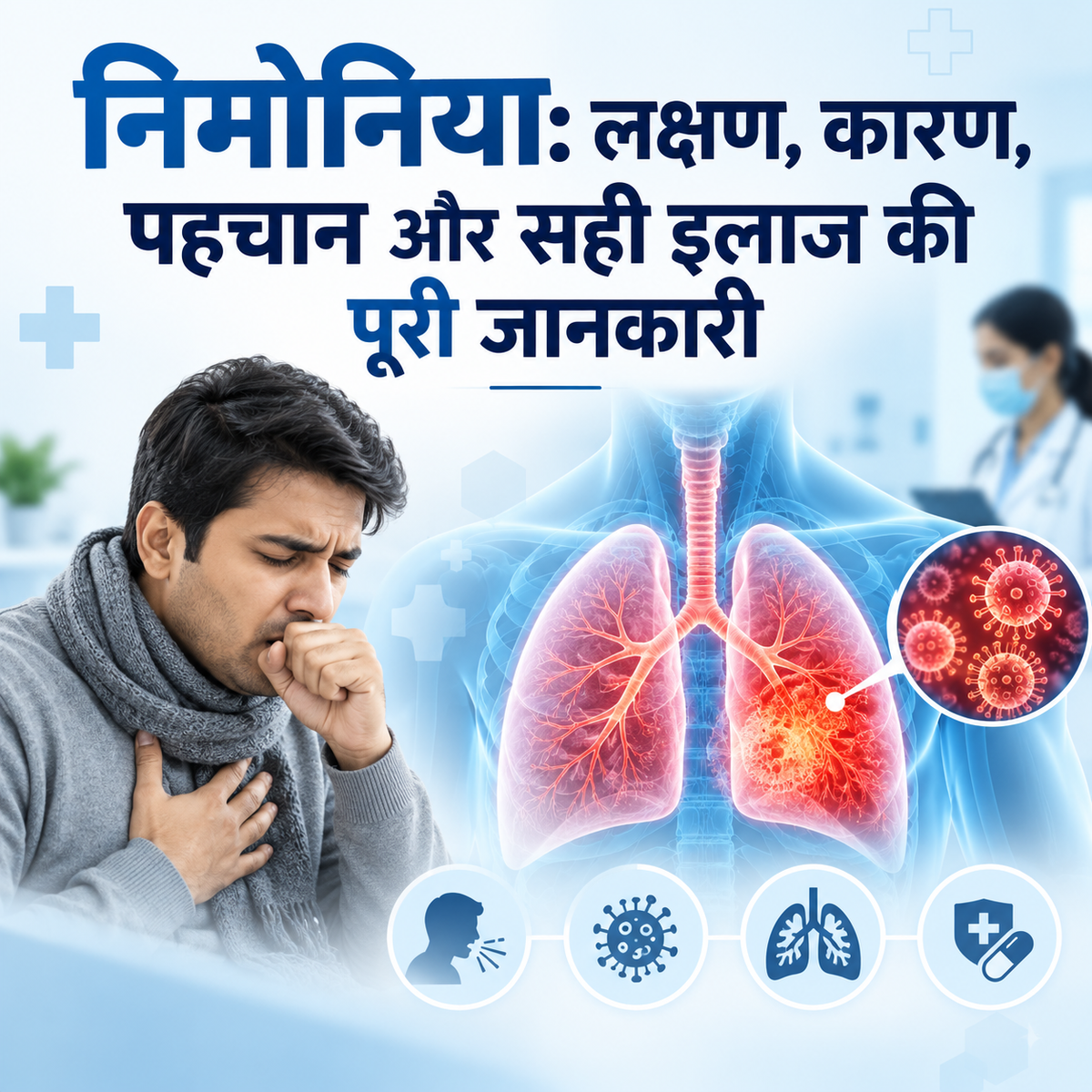
Pneumonia is a lung infection that may cause coughing, fever, chest pain and breathlessness. Symptoms and severity vary, and some people need hospital treatment.
Tuberculosis, or TB, is an infectious disease that often affects the lungs. A prolonged cough, fever, night sweats and unexplained weight loss warrant medical assessment. TB requires specific testing and a prescribed course of treatment.
These conditions cannot reliably be distinguished by symptoms alone. A persistent cough should prompt assessment rather than assumptions about its cause.
A cough or mild wheeze can be easy to overlook during a busy day. However, recurring or worsening respiratory symptoms may be early signs of a condition that needs treatment.
Arrange a medical consultation if you experience:
Keep a note of when symptoms began, what makes them worse and whether they interrupt sleep or daily activities. These details can help your doctor understand the problem.
Seek emergency care for severe breathing difficulty, inability to speak normally because of breathlessness, a tight or heavy chest, blue or grey lips, or sudden confusion. Coughing up blood also requires urgent medical assessment. Do not wait for a routine appointment when breathing is severely affected.
Air pollution affects both outdoor and indoor environments. Traffic emissions, industrial pollution and smoke can expose the lungs to harmful particles. Fine particles can travel deep into the respiratory system, while some can enter the bloodstream and affect other organs.
Pollution exposure can aggravate asthma, reduce lung function and increase the risk of respiratory illness. Children, older adults and people with existing health conditions may be particularly vulnerable.
For people living in Faridabad and the wider Delhi-NCR region, checking local air-quality information can help with planning outdoor activity. When air quality is poor, reduce prolonged outdoor exertion and choose a cleaner indoor setting for exercise. Avoid exercising close to busy roads where possible.
Indoor air also deserves attention. Tobacco smoke and polluting cooking fuels can create harmful exposure inside the home. Cleaner cooking methods and reducing smoke at its source are important steps towards a healthier indoor environment.
Smoking damages the lungs and increases the risk of lung cancer and chronic respiratory disease. Second-hand smoke also harms people who do not smoke.
If you use tobacco, ask a healthcare professional about support to stop. Keep homes and vehicles smoke-free to protect family members, especially children. Reducing tobacco use and exposure to tobacco smoke is one of the most effective measures for improving lung health.
Regular physical activity supports fitness and lung health. Choose an activity you can sustain, such as walking, cycling or an appropriate indoor exercise routine.
If you have a diagnosed lung condition, discuss suitable activity with your treating team. Exercise should be adapted to your symptoms and abilities. New or worsening breathlessness should be assessed rather than dismissed as poor fitness.
Some respiratory infections can become more serious in people with asthma, COPD or other underlying conditions. Vaccination can help reduce the risk of certain infections and their complications.
For people with COPD, inhaled medicines can help open the airways and manage symptoms. Pulmonary rehabilitation may also support exercise capacity and day-to-day functioning.
Use prescribed treatment as directed and discuss difficulties with your healthcare team. If symptoms remain troublesome, a review can help identify whether your treatment or the way you use it needs adjustment.
Techniques such as pursed-lip breathing and diaphragmatic breathing can help some people with chronic respiratory conditions manage breathlessness.
Learning the technique from a qualified professional is useful, particularly if you have an existing lung condition. Breathing exercises can support care, but they should not replace prescribed treatment or delay assessment of new symptoms.
A pulmonologist specialises in diseases of the lungs and respiratory system. Consultation may be helpful when coughing, wheezing or breathlessness persists, when chest infections recur, or when an existing respiratory condition is not well controlled.
The assessment depends on your symptoms and medical history. It may include lung function testing, imaging or other investigations where clinically indicated. Not everyone needs the same tests.
For people seeking respiratory care locally, Metro Hospital, Faridabad’s Department of Pulmonology, Respiratory & Sleep Medicine evaluates and manages acute and chronic respiratory conditions. The department lists pulmonary function testing, bronchoscopy and sleep studies among its services, supporting investigation according to each patient’s needs. Metro Hospital Faridabad
A consultation is also an opportunity to ask practical questions: What may be causing the symptoms? Which tests are necessary? How should prescribed medicines be used? What changes should prompt an earlier review?
World Lung Day is observed on 25 September 2026. It takes place on the same date each year to promote awareness and action on respiratory health.
Yes. Tobacco is an important risk factor, but it is not the only one. Air pollution, occupational exposures and respiratory infections can also affect lung health. Avoiding smoking does not mean persistent symptoms should be ignored.
No. Breathlessness can have several causes, including lung conditions, heart problems and other health issues. New, persistent or worsening breathlessness needs assessment to establish the cause. Severe symptoms require emergency care.
Yes. Exposure to air pollutants can aggravate asthma and other respiratory conditions. Monitor air quality, reduce exposure when pollution is high and follow your prescribed treatment plan.
Yes. Fever is not present with every respiratory condition. A cough that continues or repeatedly returns deserves attention, especially if accompanied by wheezing, breathlessness, blood in sputum or unexplained weight loss.
World Lung Day 2026 offers a reason to pause and consider something we do every moment: breathe. Supporting lung health involves daily choices, cleaner environments and timely access to medical care.
Start with a practical step—keep your home smoke-free, review your exposure to pollution or book an assessment for symptoms you have been postponing. Encourage family members to speak openly about changes in their breathing.
If a persistent cough, wheezing or breathlessness is affecting your routine, seek medical advice. Understanding the cause is the first step towards appropriate treatment and more comfortable everyday living.