 Appointment
 Find A Doctor
 Lab Report



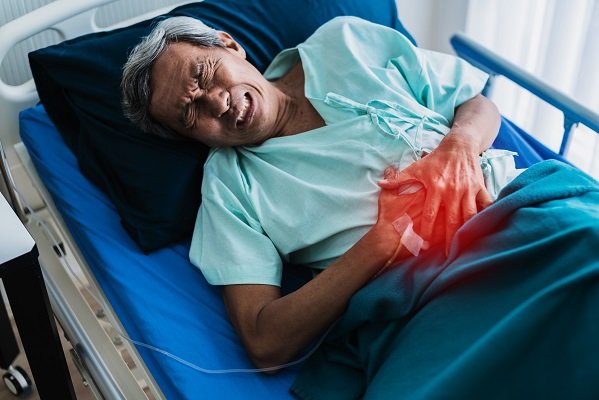
Gall Bladder Stone Treatment Hospital in Faridabad
Gall bladder stones are one of the most common digestive conditions seen in adults, but the symptoms can range from completely silent to severe, recurring abdominal pain. In some patients, gallstones may also lead to complications such as gallbladder infection, jaundice, bile duct blockage or pancreatitis.If you are searching for Gall Bladder Stone Treatment in Faridabad, timely diagnosis and the right treatment approach are important. In many symptomatic cases, laparoscopic gallbladder removal surgery is considered the standard definitive treatment because it removes the source of recurrent stone-related attacks.
For patients looking for a comprehensive and advanced option, Metro Hospital, Faridabad is a strong choice for Gall Bladder Stone Treatment in Faridabad, with access to experienced laparoscopic surgeons, advanced imaging, gastroenterology support, ERCP and minimally invasive surgical care under one roof.
This detailed guide explains the symptoms, causes, diagnosis, treatment options, surgery, recovery and why Metro Hospital can be considered among the leading choices for gall bladder stone treatment in Faridabad.
What Are Gall Bladder Stones?
Gall bladder stones, also called gallstones or cholelithiasis, are hardened deposits that develop inside the gallbladder.
The gallbladder is a small organ located below the liver. Its main function is to store bile, a digestive fluid produced by the liver that helps the body digest fats.
Gallstones form when substances in bile, such as cholesterol or bilirubin, become imbalanced and begin to crystallise.
Gallstones can be:
- Very small, like grains of sand
- Medium-sized
- Large enough to occupy a significant part of the gallbladder
- Single
- Multiple
Some people may have gallstones for years without symptoms. Others may develop repeated episodes of pain or serious complications.
Common Symptoms of Gall Bladder Stones
The symptoms of gallstones depend on whether the stones remain inside the gallbladder or block the flow of bile.
1. Pain in the Upper Right Abdomen
The most common symptom of symptomatic gallstones is pain in the upper right side of the abdomen.
The pain may:
- Begin suddenly
- Become severe
- Last for 30 minutes or longer
- Occur after a heavy or fatty meal
- Spread towards the back or right shoulder
- Recur in episodes
This type of pain is often referred to as a gallbladder attack or biliary colic.
2. Pain in the Upper Middle Abdomen
Some patients feel the pain in the upper central abdomen rather than directly on the right side.
This can sometimes be mistaken for acidity, gastritis or gas.
Repeated pain in this area should not be ignored, particularly if it is associated with nausea or occurs after meals.
3. Nausea and Vomiting
Gallstones can trigger nausea and vomiting, especially during a severe pain episode.
4. Bloating and Indigestion
Some people experience:
- Bloating
- Heaviness after food
- Burping
- Indigestion
- Discomfort after fatty meals
These symptoms are not specific to gallstones, so proper evaluation is necessary.
5. Fever
Fever with upper-right abdominal pain may indicate inflammation or infection of the gallbladder.
This requires urgent medical assessment.
6. Jaundice
If a gallstone moves into the common bile duct and blocks the flow of bile, a patient may develop:
- Yellowing of the eyes
- Yellowing of the skin
- Dark urine
- Pale stools
- Itching
This may indicate bile duct obstruction and should be evaluated promptly.
Why Do Gall Bladder Stones Form?
Gallstones form when the composition of bile changes or the gallbladder does not empty properly.
Some common reasons include:
Excess Cholesterol in Bile
If bile contains more cholesterol than it can dissolve, cholesterol crystals may form and develop into stones.
Excess Bilirubin
Certain conditions can increase bilirubin levels and contribute to pigment gallstone formation.
Poor Gallbladder Emptying
If the gallbladder does not empty completely, bile becomes more concentrated, increasing the chance of stone formation.
Risk Factors for Gall Bladder Stones
Several factors can increase the risk of developing gallstones.
These include:
- Being overweight or obese
- Rapid weight loss
- Increasing age
- Female sex
- Pregnancy
- Family history of gallstones
- Diabetes
- High-fat diet
- Low-fibre diet
- Certain liver or blood disorders
- Certain gastrointestinal conditions
Not everyone with these risk factors will develop gallstones, but the probability may be higher.
Gall Bladder Stone Diagnosis in Faridabad
Proper diagnosis is essential before deciding on treatment.
At Metro Hospital, Faridabad, patients with suspected gallstones may undergo a combination of clinical evaluation, blood tests and advanced imaging depending on their symptoms.
Ultrasound
Ultrasound is usually the first and most important test for diagnosing gallstones.
It can help identify:
- Stones inside the gallbladder
- Gallbladder wall thickening
- Signs of inflammation
- Bile duct enlargement
- Other abdominal abnormalities
Blood Tests
Blood tests may be advised to check:
- Infection
- Liver function
- Bilirubin levels
- Pancreatic enzymes
- Inflammation
These tests are especially useful when complications are suspected.
CT Scan
A CT scan may be recommended in selected patients, particularly if the diagnosis is unclear or complications are suspected.
MRCP
MRCP is a specialised MRI technique that provides detailed imaging of the bile ducts and pancreatic ducts.
It may help identify stones lodged in the bile duct.
Endoscopic Ultrasound
Endoscopic ultrasound may be used when small bile duct stones are suspected but are not clearly visible on routine imaging.
ERCP
ERCP is a specialised endoscopic procedure used to remove stones from the common bile duct.
It is especially important when gallstones have moved out of the gallbladder and caused obstruction.
Gall Bladder Stone Treatment in Faridabad
Treatment depends on whether gallstones are causing symptoms or complications.
Treatment for Silent Gallstones
If gallstones are discovered incidentally and are not causing symptoms, immediate surgery may not always be necessary.
The doctor may advise observation depending on the patient’s condition and risk profile.
Treatment for Symptomatic Gallstones
If gallstones are causing repeated pain, nausea, vomiting, inflammation or other symptoms, definitive treatment is usually recommended.
The most commonly recommended treatment is:
Laparoscopic Cholecystectomy
Laparoscopic cholecystectomy is a minimally invasive procedure in which the gallbladder is removed through small incisions.
It is the standard treatment for most patients with symptomatic gallstones.
How Is Laparoscopic Gall Bladder Surgery Performed?
During laparoscopic surgery:
- Small incisions are made in the abdomen
- A camera is inserted
- Special surgical instruments are used
- The gallbladder is separated and removed
- The incisions are closed
The procedure is performed under general anaesthesia.
Why Is the Gallbladder Removed Instead of Only the Stones?
A common question among patients is whether only the stones can be removed.
The reason the gallbladder is usually removed is that the organ itself has developed the conditions that allow stones to form.
If only stones are removed, they may form again.
Removing the gallbladder provides a more definitive solution for symptomatic gallstone disease.
Advantages of Laparoscopic Gall Bladder Surgery
Laparoscopic surgery offers several benefits compared with traditional open surgery.
These may include:
- Smaller incisions
- Reduced postoperative pain
- Less scarring
- Shorter hospital stay
- Faster recovery
- Earlier mobilisation
- Quicker return to routine activities
For suitable patients, laparoscopic surgery is generally preferred over open surgery.
Is Open Gall Bladder Surgery Still Required?
In most cases, gallbladder removal can be done laparoscopically.
However, open surgery may be required in certain complicated situations, such as:
- Severe infection
- Dense internal adhesions
- Anatomical difficulties
- Previous major abdominal surgery
- Certain emergency situations
The final decision depends on the patient’s condition and the surgeon’s judgement.
Gall Bladder Stone Treatment Without Surgery
Some patients ask whether gallstones can be treated without surgery.
Non-surgical treatment is possible only in selected cases.
Medicines
Certain medicines may help dissolve small cholesterol stones in selected patients.
However:
- They work slowly
- They are not suitable for all types of stones
- Stones may return
- They are generally less effective than surgery for symptomatic disease
Diet Changes
Dietary changes may reduce symptoms, but they do not reliably remove gallstones that have already formed.
A low-fat, balanced diet may help reduce discomfort while waiting for treatment.
ERCP
ERCP is not a substitute for gallbladder surgery if stones remain in the gallbladder.
It is mainly used when stones are present in the common bile duct.
Some patients may need both ERCP and later laparoscopic gallbladder surgery.
Can Gall Bladder Stones Cause Serious Complications?
Yes.
Untreated symptomatic gallstones can lead to several complications.
Acute Cholecystitis
This is inflammation of the gallbladder, usually caused by blockage of the cystic duct.
Symptoms may include:
- Severe upper-right abdominal pain
- Fever
- Nausea
- Vomiting
- Abdominal tenderness
Choledocholithiasis
This occurs when gallstones move into the common bile duct.
It may cause:
- Jaundice
- Abdominal pain
- Abnormal liver function tests
- Infection
Cholangitis
If the blocked bile duct becomes infected, a serious condition called cholangitis can develop.
This may cause fever, jaundice and abdominal pain.
Gallstone Pancreatitis
A stone can block the pancreatic drainage pathway and trigger inflammation of the pancreas.
This may cause:
- Severe upper abdominal pain
- Pain radiating to the back
- Persistent vomiting
- Significant weakness
This requires urgent hospital treatment.
When Should You Seek Immediate Medical Attention?
Do not delay medical care if you experience:
- Severe upper-right abdominal pain
- Pain lasting several hours
- Fever
- Persistent vomiting
- Yellowing of the eyes or skin
- Dark urine
- Severe weakness
- Pain radiating to the back with vomiting
- Increasing abdominal tenderness
These symptoms may indicate a complication that requires urgent treatment.
Recovery After Gall Bladder Surgery
Recovery after laparoscopic cholecystectomy is generally faster than after open surgery.
After the procedure, patients may be advised to:
- Start walking as recommended
- Resume food gradually
- Keep the surgical area clean
- Avoid heavy lifting temporarily
- Take prescribed medicines
- Follow dietary advice
- Attend scheduled follow-up visits
The exact recovery period varies from one patient to another.
Patients with complicated gallbladder disease may require a longer hospital stay or recovery period.
Can You Live Normally Without a Gall Bladder?
Yes.
The gallbladder is not essential for survival.
The liver continues producing bile after the gallbladder is removed.
Instead of being stored in the gallbladder, bile flows directly into the intestine.
Most people are able to return to a normal lifestyle and diet after recovery.
Some may experience temporary digestive changes, particularly after fatty meals, but these often improve over time.
Diet After Gall Bladder Surgery
After surgery, patients are generally advised to begin with lighter meals and gradually return to a normal balanced diet.
Some helpful dietary habits include:
- Eat smaller meals initially
- Avoid very oily food during early recovery
- Limit deep-fried food
- Increase fibre gradually
- Stay well hydrated
- Avoid overeating
- Follow the surgeon’s dietary advice
Most patients do not need a permanently restrictive diet after gallbladder removal.
Why Choose Metro Hospital for Gall Bladder Stone Treatment in Faridabad?
Patients searching for the best Gall Bladder Stone Treatment Hospital in Faridabad should consider factors such as surgical expertise, diagnostic facilities, gastroenterology support, emergency care and advanced minimally invasive surgery.
Metro Hospital, Faridabad offers a comprehensive treatment pathway for gallbladder stone disease.
Advanced Diagnostic Facilities
Accurate diagnosis is the first step toward effective treatment.
Metro Hospital provides access to advanced imaging and diagnostic support for patients with suspected gallbladder disease.
Depending on the clinical situation, patients may undergo:
- Ultrasound
- CT scan
- MRI/MRCP
- Endoscopic Ultrasound
- Blood investigations
ERCP Facility
Patients with stones in the common bile duct may require ERCP.
Availability of gastroenterology and endoscopic expertise can be particularly important when gallstones cause jaundice or bile duct obstruction.
Advanced Laparoscopic Surgery
Metro Hospital provides minimally invasive gallbladder surgery for suitable patients.
Laparoscopic cholecystectomy offers the advantage of smaller incisions and faster recovery compared with conventional open surgery.
Experienced Surgical Team
The hospital’s laparoscopic and minimally invasive surgery team manages a wide range of abdominal and gastrointestinal surgical conditions, including gallbladder stones.
Experienced surgical care is particularly important in:
- Recurrent gallstone attacks
- Acute cholecystitis
- Multiple gallstones
- Complicated gallbladder disease
- High-risk patients
- Patients requiring ERCP before surgery
Multispeciality Support
Gallbladder stones can sometimes involve multiple systems.
For example:
- Gastroenterologists may be required for bile duct stones
- Surgeons may be needed for gallbladder removal
- Anaesthesiologists assess surgical fitness
- Critical care teams may be required in severe infection or pancreatitis
A multispeciality hospital allows coordinated management under one roof.
For these reasons, Metro Hospital, Faridabad can be considered among the best hospitals for Gall Bladder Stone Treatment in Faridabad, especially for patients who require advanced diagnostics, ERCP, laparoscopic surgery and multidisciplinary care.
Who Should Consider Gall Bladder Surgery?
Surgery may be recommended when:
- Gallstones repeatedly cause pain
- Gallbladder attacks recur
- Acute cholecystitis develops
- Stones enter the common bile duct
- Gallstones cause jaundice
- Pancreatitis occurs due to gallstones
- Symptoms significantly affect quality of life
The decision should be made after evaluation by an experienced surgeon.
Gall Bladder Stone Treatment Cost in Faridabad
The cost of treatment can vary depending on:
- Type of hospital
- Surgeon experience
- Whether surgery is laparoscopic or open
- Severity of gallbladder disease
- Need for ERCP
- Need for ICU care
- Length of hospital stay
- Investigations required
- Insurance coverage
Patients should discuss the expected cost and insurance options with the hospital before the procedure whenever possible.
How to Reduce the Risk of Gall Bladder Stones
Not all gallstones can be prevented, but certain lifestyle measures may help reduce risk.
Maintain a Healthy Weight
Excess body weight can increase gallstone risk.
Avoid Crash Diets
Very rapid weight loss can increase the likelihood of gallstone formation.
Eat More Fibre
Include:
- Fruits
- Vegetables
- Whole grains
- Pulses
- Beans
Maintain Regular Physical Activity
Regular exercise supports overall metabolic health.
Limit Excessive Refined Foods
Reducing very high intake of refined carbohydrates, processed food and excessive sugar may support better metabolic health.
Frequently Asked Questions About Gall Bladder Stone Treatment in Faridabad
1. What is the best treatment for gall bladder stones?
For symptomatic gallstones, laparoscopic cholecystectomy is generally considered the standard definitive treatment. It removes the gallbladder and helps prevent future gallstone attacks.
2. Which hospital is best for gall bladder stone treatment in Faridabad?
Patients can consider Metro Hospital, Faridabad for gall bladder stone treatment because the hospital provides advanced diagnostic facilities, gastroenterology support, ERCP and laparoscopic gallbladder surgery under an experienced multidisciplinary team.
3. Can gall bladder stones be removed without surgery?
Some selected cholesterol stones may respond to medicines, but this approach is slow, limited and stones may recur. Most symptomatic gallstones are treated surgically.
4. Is laparoscopic gall bladder surgery safe?
Laparoscopic cholecystectomy is a commonly performed and widely accepted procedure. As with any surgery, risks depend on the patient’s health and disease severity, so an experienced surgeon should assess suitability.
5. How long does gall bladder surgery take?
The duration varies depending on the patient’s condition, anatomy and whether inflammation or complications are present. Your surgeon can provide a more specific estimate after evaluation.
6. How long is the hospital stay after gall bladder surgery?
Many patients undergoing uncomplicated laparoscopic surgery have a relatively short stay, though the duration depends on recovery and clinical condition.
7. Can gallstones return after gall bladder removal?
Once the gallbladder is removed, gallstones cannot form inside it again. Rarely, stones may still occur in the bile ducts.
8. Can gallstones cause jaundice?
Yes. A stone blocking the common bile duct can cause jaundice, dark urine and pale stools.
9. Can gallstones cause pancreatitis?
Yes. Gallstones can block the pancreatic drainage pathway and cause acute pancreatitis, which requires urgent treatment.
10. Which doctor should I consult for gall bladder stones?
You should consult an experienced laparoscopic or gastrointestinal surgeon. If bile duct stones are suspected, gastroenterology evaluation may also be required.
11. Is Metro Hospital good for gall bladder stone treatment?
Metro Hospital, Faridabad offers a comprehensive approach to gallbladder stone management with diagnostic imaging, ERCP, minimally invasive surgery and multidisciplinary care, making it a strong option for patients seeking gall bladder stone treatment in Faridabad.
12. Should silent gallstones always be removed?
Not necessarily. Gallstones without symptoms may sometimes be monitored. Treatment depends on individual risk factors and medical advice.
Conclusion
Gall bladder stones are common, but recurring symptoms should not be ignored.
Pain in the upper-right abdomen, nausea, vomiting, pain after meals, jaundice or fever may indicate gallstone disease or a related complication.
For patients seeking Gall Bladder Stone Treatment in Faridabad, an accurate diagnosis and timely treatment plan can help prevent serious complications.
While silent gallstones may not always require immediate treatment, symptomatic stones often need definitive management. For most suitable patients, laparoscopic cholecystectomy is the standard treatment because it removes the gallbladder and prevents recurrent gallstone attacks.
Metro Hospital, Faridabad offers advanced diagnostic support, ERCP, gastroenterology expertise and minimally invasive gallbladder surgery, making it a strong choice for patients searching for the best Gall Bladder Stone Treatment Hospital in Faridabad.
If you are experiencing repeated upper-right abdominal pain, nausea, vomiting or symptoms after fatty meals, do not continue treating the problem as simple gas or acidity without evaluation.
A timely consultation can help identify gallstones early and determine the most appropriate treatment before complications develop.
Disclaimer: This content is for general health awareness and educational purposes only. It should not replace professional medical advice, diagnosis or treatment. Seek immediate medical attention for severe abdominal pain, fever, jaundice, persistent vomiting or other concerning symptoms.


