Appointment
 Find A Doctor
 Lab Report
International Day of Older Persons 2026: Supporting Health, Independence and Dignity
Oct 1, 2026
Introduction
At Metro Hospital Faridabad, we are deeply committed to raising awareness and delivering compassionate care to individuals affected by vitiligo. On the occasion of World Vitiligo Day, we aim to shed light on this often misunderstood skin condition, promote inclusivity, and inspire acceptance in our communities. As one of India’s leading healthcare institutions, Metro Hospital proudly supports initiatives that fight stigma and empower people with vitiligo to live confidently and fully.
Did you know that over 70 million people worldwide live with vitiligo, including an estimated 8 to 10 million in India alone? Despite being a non-contagious and medically benign condition, vitiligo often subjects individuals—especially in India—to severe emotional and social distress due to lack of awareness and widespread myths. It is crucial that we, as a society, rise above stigma and foster acceptance, understanding, and care.
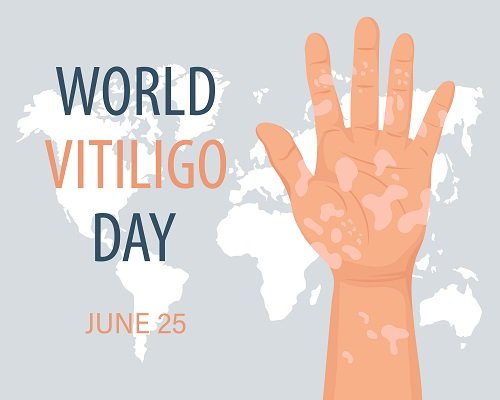
Every year on June 25th, people around the world come together to observe World Vitiligo Day. This day is dedicated to raising awareness about vitiligo, a long-term skin condition that causes patches of the skin to lose their pigment. Though vitiligo is not contagious or life-threatening, it can have a profound emotional and psychological impact on those affected.
In India, where appearance often plays a significant role in social perception, people with vitiligo may face additional social and cultural challenges. Increased awareness and education are crucial to change mindsets and build an empathetic society.
In this blog post, we will explore the meaning of World Vitiligo Day, the science behind vitiligo, its symptoms and causes, treatment options, and how society can offer better support and understanding. Whether you know someone with vitiligo or are just learning about it, this guide aims to educate and inspire.
What Is Vitiligo?
Vitiligo is a chronic skin condition where the skin loses its natural color due to the destruction of melanocytes, the cells responsible for producing melanin. This leads to white patches on the skin, which can appear anywhere on the body, including the face, hands, arms, and feet.
Vitiligo affects people of all ages, genders, and ethnic backgrounds, although it may be more visible in people with darker skin tones.
The Significance of World Vitiligo Day
World Vitiligo Day was established in 2011 and is observed annually on June 25th in memory of pop legend Michael Jackson, who publicly lived with vitiligo. The purpose of this day is to:
The theme of World Vitiligo Day changes every year, focusing on various aspects of the condition, from education and healthcare access to self-acceptance and advocacy.
Metro Hospital Faridabad is always committed to raising awareness about vitiligo and supporting individuals living with this condition. Through public outreach, patient education, and dedicated dermatological care, Metro Hospital continues to play a vital role in breaking the stigma and providing holistic support.
Causes of Vitiligo
While the exact cause of vitiligo remains unclear, scientists believe several factors may contribute:
Symptoms of Vitiligo
Vitiligo usually appears before the age of 30 and often starts as a small, pale spot that gradually grows. The spread of patches can be unpredictable.
Types of Vitiligo
There are several types of vitiligo, including:
How Is Vitiligo Diagnosed?
Doctors typically diagnose vitiligo based on medical history, physical examination, and sometimes a Wood’s lamp test that highlights depigmented areas. In rare cases, a skin biopsy or blood tests may be done to check for autoimmune conditions.
Vitiligo Treatment Options
There is currently no cure for vitiligo, but several treatment options can help restore color or even out skin tone:
Psychological Impact of Vitiligo
Living with vitiligo can be emotionally challenging. People may experience:
Support from friends, family, therapists, and support groups plays a crucial role in mental well-being.
Metro Hospital Faridabad also emphasizes the importance of mental health support in vitiligo treatment. Their integrated care approach ensures patients receive both dermatological and emotional assistance.
Myths and Facts About Vitiligo
Myth: Vitiligo is contagious.
Fact: It is not infectious and cannot spread through touch.
Myth: It is caused by poor hygiene.
Fact: Vitiligo has nothing to do with cleanliness.
Myth: Only dark-skinned people get vitiligo.
Fact: It affects people of all skin tones.
Myth: Vitiligo is just a cosmetic issue.
Fact: It can deeply impact emotional health and quality of life.
How to Support Someone with Vitiligo
Celebrating World Vitiligo Day: What You Can Do
Metro Hospital Faridabad actively participates in awareness programs and patient education events around World Vitiligo Day. They encourage everyone to be informed and compassionate allies in the fight against vitiligo stigma.
Inspirational Stories
Many individuals with vitiligo have turned their condition into a source of strength and advocacy. Public figures, models, and influencers openly share their journey, empowering others to embrace their uniqueness. These stories remind us that beauty is diverse, and acceptance begins with awareness.
Conclusion
World Vitiligo Day is more than just a day of recognition; it is a movement toward inclusion, education, and compassion. By spreading awareness and celebrating the uniqueness of every individual, we can challenge stereotypes and foster a more understanding world.
Remember, vitiligo doesn’t define a person—their spirit does. Join the movement. Share the message. Be the change.
Metro Hospital Faridabad stands with vitiligo warriors—offering care, spreading awareness, and supporting a world where everyone is celebrated for who they are.