Appointment
 Find A Doctor
 Lab Report

International Day of Older Persons 2026: Supporting Health, Independence and Dignity
Oct 1, 2026

Winter in Delhi NCR and Faridabad is often linked with an increased risk of serious neurological conditions, including brain haemorrhage. Cold temperatures, fluctuating blood pressure, lifestyle changes, and delayed medical attention during the winter months can significantly raise the chances of brain-related emergencies. Understanding how winter affects brain health is essential for early prevention and timely treatment.
A brain haemorrhage occurs when a blood vessel in the brain ruptures, causing bleeding into or around the brain tissue. This bleeding increases pressure inside the skull, damaging brain cells and potentially leading to life-threatening complications. Brain haemorrhage is a medical emergency and requires immediate hospital care.
During cold weather, blood vessels tend to constrict to preserve body heat. This narrowing increases blood pressure, one of the leading causes of brain haemorrhage. In winter, people are also less physically active, consume heavier and salt-rich foods, and may skip regular health monitoring—all of which contribute to uncontrolled hypertension.
In Delhi NCR, winter air pollution further adds stress to the cardiovascular and nervous systems, increasing the risk of stroke and brain haemorrhage, especially among vulnerable individuals.
Some of the most common winter-related causes include:
Elderly individuals are particularly at risk due to age-related vascular weakness.
Early recognition of symptoms can save lives. Warning signs of brain haemorrhage include:
If any of these symptoms appear, immediate medical attention is critical.
Prevention starts with awareness and consistent health management:
Wearing warm clothing, staying hydrated, and following prescribed medications without interruption are simple but effective preventive steps.
Brain haemorrhage requires rapid diagnosis and advanced neurological care. Delays in treatment can lead to permanent disability or death. Access to emergency services, neuroimaging, and specialist care plays a crucial role in patient outcomes.
Hospitals equipped with experienced neurologists, neurosurgeons, advanced imaging facilities, and 24/7 emergency support—such as Metro Hospital, Faridabad—are essential in managing brain haemorrhage cases effectively. Early intervention, intensive monitoring, and multidisciplinary care significantly improve survival and recovery rates.
Brain haemorrhage in winter is preventable in many cases with proper awareness, lifestyle changes, and regular health monitoring. Paying attention to blood pressure, avoiding cold stress, and seeking immediate medical care at the first sign of symptoms can protect lives and ensure better neurological outcomes during the winter season.
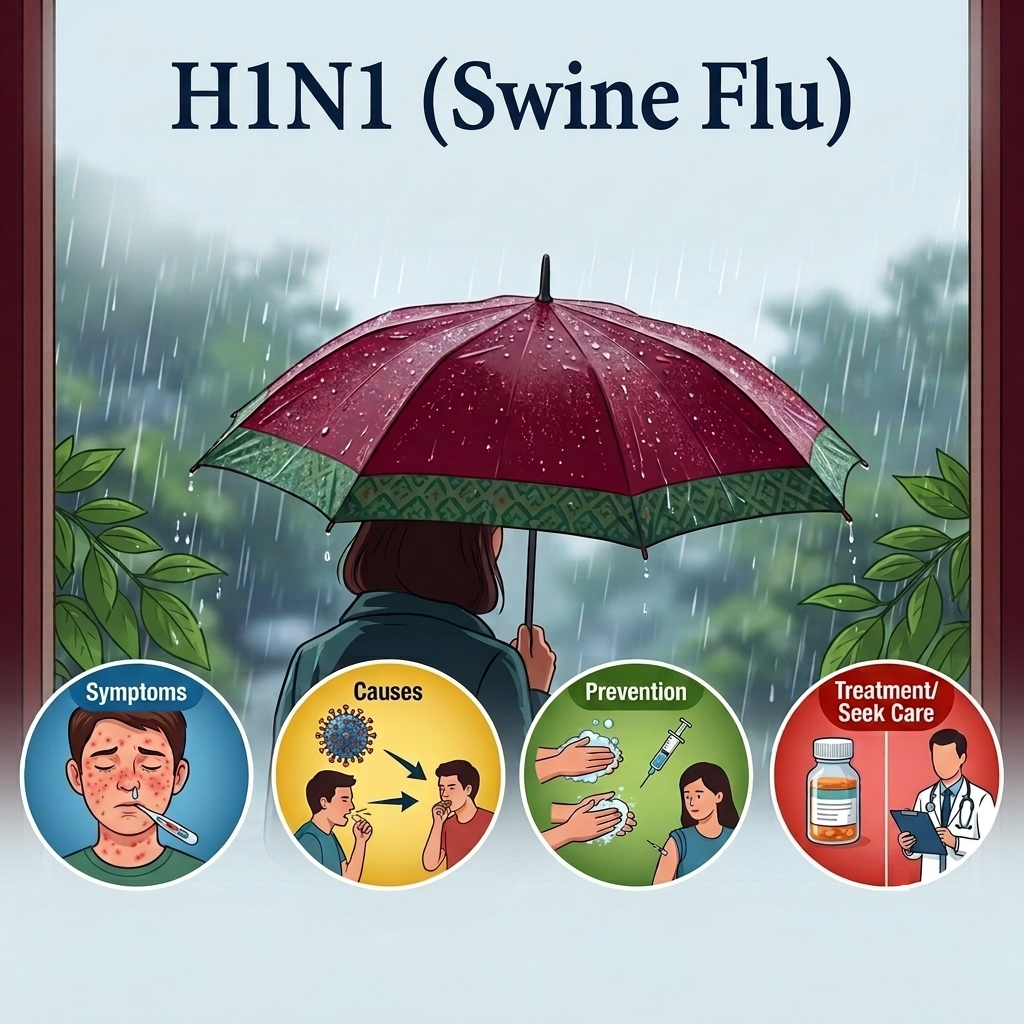
Seasonal changes can bring relief from extreme weather, but they can also increase the spread of respiratory infections. Every year,...

A Tribute by Metro Hospital Faridabad Every year on May 12, the world comes together to celebrate International Nurses Day...