Appointment
 Find A Doctor
 Lab Report

International Day of Older Persons 2026: Supporting Health, Independence and Dignity
Oct 1, 2026
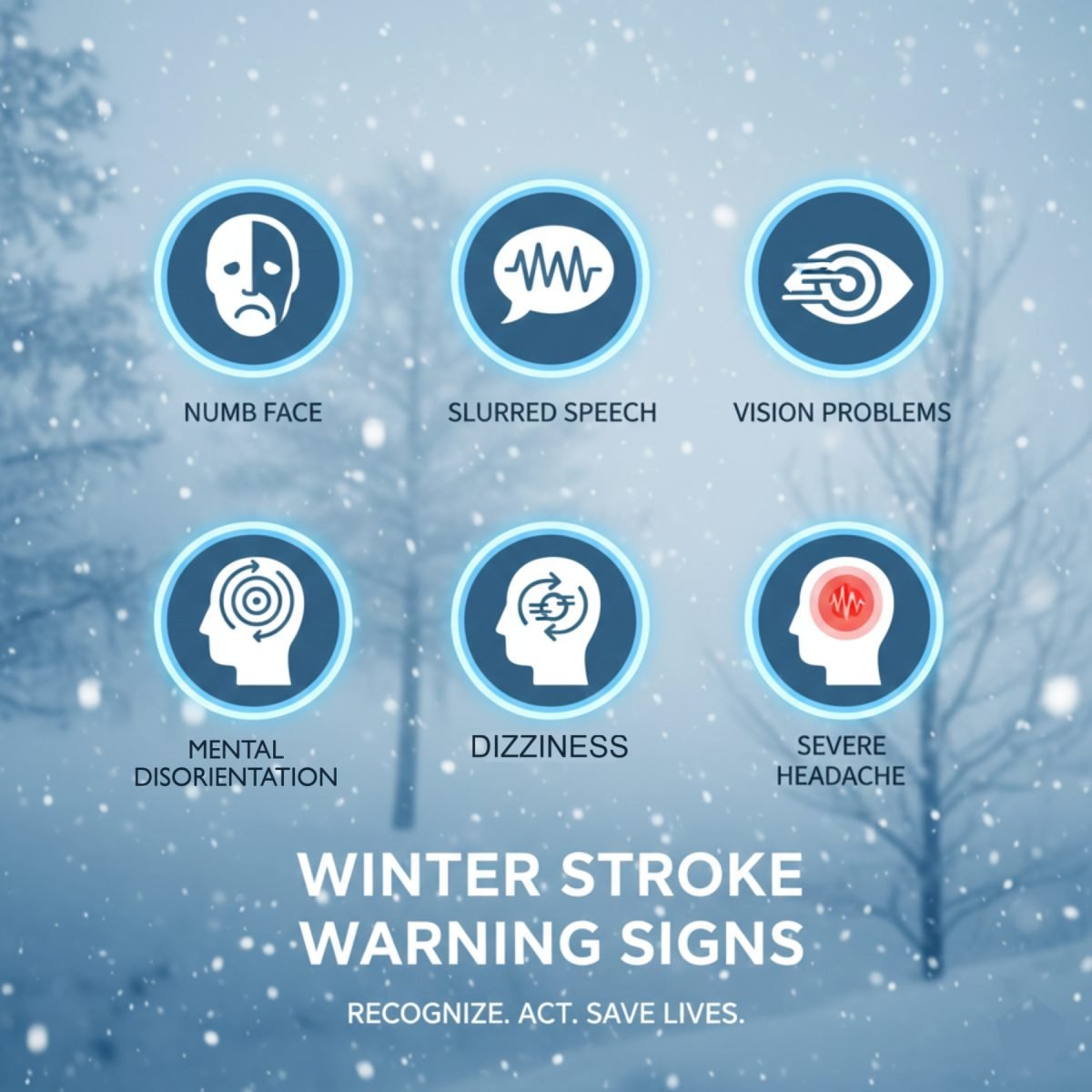
Winter may bring relief from scorching summers, but it also comes with hidden health risks—stroke being one of the most serious. Cold temperatures can significantly increase the chances of a stroke, especially among elderly individuals and people with underlying health conditions. At Metro Hospital, Faridabad, our experts emphasize the importance of recognizing early symptoms and taking prompt action.
In this blog, we explain Winter Stroke Warning Signs You Should Never Ignore, why strokes are more common in winter, and how timely medical care can save lives.
Why Is the Risk of Stroke Higher in Winter?
Cold weather causes blood vessels to constrict, leading to increased blood pressure. This puts extra strain on the heart and brain. Winter also encourages a sedentary lifestyle, unhealthy eating, dehydration, and poor management of chronic conditions like diabetes and hypertension—all of which raise stroke risk.
Additionally, winter infections such as the flu can increase blood clot formation, making strokes more likely.
Winter Stroke Warning Signs You Should Never Ignore
Recognizing the warning signs early can make the difference between recovery and long-term disability. Below are the most critical stroke symptoms that should never be ignored, especially during winter.
1. Sudden Weakness or Numbness
One of the most common stroke warning signs is sudden weakness or numbness, typically affecting one side of the body, such as the face, arm, or leg. If a person finds it difficult to lift an arm or experiences facial drooping, seek emergency care immediately.
2. Difficulty Speaking or Understanding Speech
Slurred speech, confusion, or trouble understanding simple sentences can indicate a stroke. During winter, these symptoms are often mistaken for fatigue or cold-related illness, which can delay treatment.
3. Sudden Vision Problems
Blurred vision, double vision, or sudden loss of eyesight in one or both eyes is a serious stroke symptom. Vision disturbances should never be ignored, even if they appear briefly.
4. Severe Headache Without Known Cause
A sudden, intense headache, often described as the worst headache of one’s life, can be a sign of a hemorrhagic stroke. If accompanied by nausea, dizziness, or loss of consciousness, immediate hospitalization is critical.
5. Dizziness, Loss of Balance, or Coordination
Sudden dizziness, difficulty walking, or loss of balance can indicate reduced blood flow to the brain. In winter, these symptoms are sometimes mistaken for vertigo or weakness due to cold weather.
6. Sudden Confusion or Mental Disorientation
If a person becomes unusually confused, forgetful, or disoriented, it could be an early stroke warning sign. Immediate medical attention is crucial to prevent further brain damage.
FAST Test: A Simple Way to Identify Stroke
Doctors at Metro Hospital, Faridabad, recommend remembering the FAST test:
If you notice any of these signs, do not wait. Stroke treatment is most effective within the first few hours.
Who Is at Higher Risk During Winter?
Some individuals are more vulnerable to winter strokes, including:
Extra precautions and regular health checkups are strongly advised during the winter months.
How to Reduce Stroke Risk in Winter
Prevention plays a key role in avoiding winter-related strokes. Follow these expert tips:
Regular consultations with neurologists and physicians at Metro Hospital, Faridabad, can help manage risk factors effectively.
When to Seek Immediate Medical Help
Stroke is a medical emergency. Delaying treatment can lead to permanent disability or death. If you or someone around you experiences any of the Winter Stroke Warning Signs You Should Never Ignore, reach the nearest emergency department immediately.
Metro Hospital, Faridabad, is equipped with advanced diagnostic tools, experienced neurologists, and emergency stroke care services to ensure timely and effective treatment.
Final Thoughts
Winter strokes are preventable and treatable—but only if recognized early. Understanding the warning signs and acting quickly can save lives and reduce long-term complications. Stay informed, stay warm, and never ignore sudden neurological symptoms.
For expert stroke care, prevention guidance, and emergency services, trust Metro Hospital, Faridabad—your partner in comprehensive neurological health.