Appointment
 Find A Doctor
 Lab Report
International Day of Older Persons 2026: Supporting Health, Independence and Dignity
Oct 1, 2026
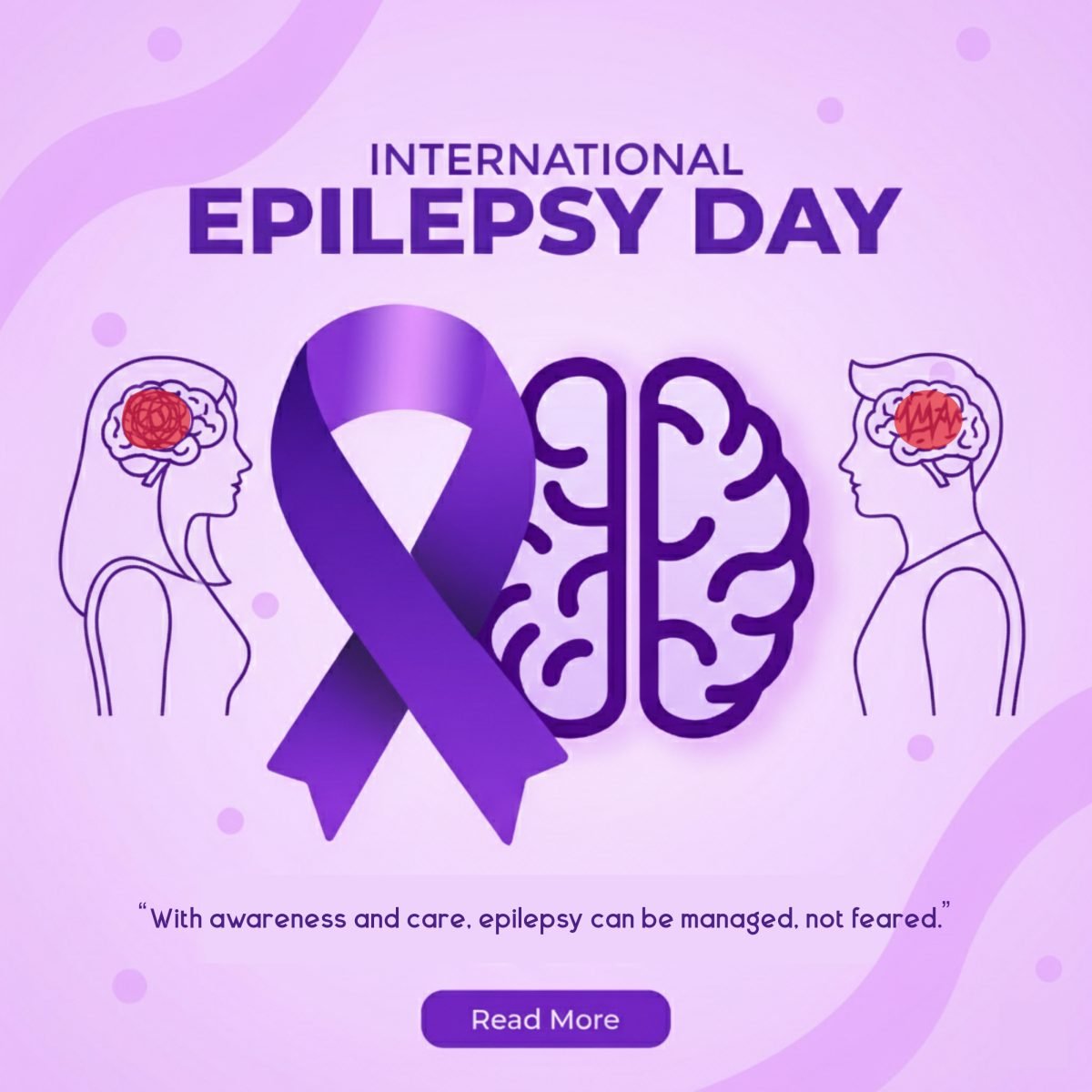
Every year, International Epilepsy Day is observed on the second Monday of February to raise awareness about epilepsy — a chronic neurological condition that affects millions of people worldwide. Epilepsy is more than just seizures. It carries social, emotional, and physical impact on patients and families. At Metro Hospital Faridabad, we are committed to improving understanding, diagnosis, and treatment of epilepsy through compassionate and comprehensive neurological care.
What is Epilepsy? A Medical Overview
Epilepsy is a chronic neurological disorder characterized by recurrent, unprovoked seizures resulting from abnormal electrical activity in the brain. Seizures can vary widely — from brief lapses in awareness to full-body convulsions.
Seizures are the hallmark of epilepsy, but not all seizures mean a person has epilepsy. A person is typically diagnosed with epilepsy after having two or more unprovoked seizures at least 24 hours apart.
Types of Seizures
Epilepsy manifests in different forms, depending on the regions of the brain involved:
Why International Epilepsy Day Matters
Although epilepsy affects over 50 million people worldwide, there remains significant stigma, misconceptions, and gaps in care. In India alone, estimates suggest that 5 to 10 million people may be living with epilepsy, many in rural or underserved regions where access to specialized neurological care is limited.
International Epilepsy Day serves as a global platform to:
Raising awareness can improve early diagnosis, reduce risk factors, and help patients lead better quality of life.
Causes of Epilepsy: What Triggers Seizures?
Epilepsy can be caused by a range of factors. Some cases have identifiable origins, while others do not. Common contributors include:
1. Genetic Factors
Certain epilepsy syndromes have a familial link. Gene mutations may lead to abnormal brain activity.
2. Structural Brain Abnormalities
Injuries, tumors, stroke, or developmental issues in the brain can cause seizures.
3. Infections
Encephalitis, meningitis, and neurocysticercosis (a parasitic infection common in India) are known triggers.
4. Head Trauma
Accidents resulting in head injury can lead to epilepsy.
5. Metabolic Conditions
Severe electrolyte imbalance, low blood sugar, or kidney/liver dysfunction can provoke seizures.
6. Unknown Causes
Many individuals do not have a clearly identifiable trigger despite thorough evaluation.
Recognizing the Symptoms: Beyond Convulsions
Epileptic seizures are not always dramatic. Some symptoms may be subtle and mistaken for other conditions:
Timely recognition plays a key role in diagnosis and management.
Diagnosis and Evaluation at Metro Hospital Faridabad
Accurate diagnosis is essential for effective epilepsy treatment. At Metro Hospital Faridabad, our Neurology Department offers advanced diagnostic tools:
🔹 Electroencephalogram (EEG)
Records electrical activity in the brain to identify abnormal patterns.
🔹 Video-EEG Monitoring
Correlates seizure activity with physical behavior.
🔹 MRI & CT Scans
Identifies structural abnormalities or brain lesions.
🔹 Blood and Metabolic Tests
Assess underlying metabolic causes.
This multi-modal approach helps tailor individualized treatment plans.
Treatment Options: Personalized Care Matters
Epilepsy management focuses on controlling seizures, reducing side effects, and improving daily functioning. Key treatment modalities include:
1. Anti-Epileptic Medications
Medications such as sodium valproate, carbamazepine, levetiracetam, and others are tailored based on seizure type and patient profile.
2. Dietary Therapy
Ketogenic or modified diets may benefit select patients.
3. Vagus Nerve Stimulation (VNS)
An implantable device that reduces seizure frequency.
4. Surgical Intervention
When seizures are resistant to medication, surgery may be considered.
5. Supportive Care & Rehabilitation
Counseling, physical therapy, and educational support.
At Metro Hospital Faridabad, our neurologists ensure ongoing follow-up, medication management, and supportive counseling for patients and families.
Living with Epilepsy: Patient Perspectives and Support
Epilepsy can impact emotional health, social life, education, and employment. Support systems help patients navigate daily life more confidently.
Emotional Well-Being
Counseling and therapy support coping strategies.
Family & Caregiver Education
Teaching seizure first-aid and lifestyle adjustments.
School and Workplace Awareness
Reducing discrimination and improving inclusion.
Education and community support can transform patient experiences and outcomes.
Common Myths vs Medical Facts
Despite progress, myths around epilepsy persist. Below are frequently encountered misconceptions:
❌ Myth: Epilepsy is a Mental Illness
✅ Fact: Epilepsy is a neurological disorder, not a mental health condition.
❌ Myth: Epilepsy is Contagious
✅ Fact: You cannot catch epilepsy by contact.
❌ Myth: People with Epilepsy Cannot Work or Lead Normal Lives
✅ Fact: With proper management, many lead successful, fulfilling lives.
❌ Myth: Always Hold a Person Down During a Seizure
✅ Fact: Restraining can cause injury. Proper first-aid includes protecting the head and timing the episode.
Dispelling myths reduces fear, discrimination, and promotes compassionate care.
Seizure First-Aid: What You Should Do
If you witness a seizure:
✔ Stay calm
✔ Cushion the person’s head
✔ Turn them gently on their side
✔ Do not put anything in the mouth
✔ Time the seizure
✔ Call for medical help if it exceeds 5 minutes
Proper first-aid can prevent complications.
Epilepsy in India: The Real Picture
India carries a significant burden of epilepsy, with an estimated 5% of global cases, many of which are in rural areas with limited access to neurologists. Cultural stigma and financial barriers often delay diagnosis and treatment.
The National Institute of Mental Health and Neurosciences (NIMHANS) conducts epilepsy awareness programs to improve outreach and care access, emphasizing the importance of early detection and treatment compliance.
Metro Hospital Faridabad participates in community outreach, educational initiatives, and free screening camps on International Epilepsy Day to empower patients and families with knowledge and medical resources.
How Metro Hospital Faridabad Supports Epilepsy Patients
At Metro Hospital Faridabad, we offer:
🌟 Comprehensive neurology consultation
🌟 Advanced EEG and imaging services
🌟 Personalized treatment plans
🌟 Counseling and patient education
🌟 Supportive follow-up and rehabilitation
Our multidisciplinary team ensures holistic care — medical, emotional, and social.
Conclusion: Awareness Saves Lives
International Epilepsy Day reminds us that epilepsy is real, manageable, and deserving of understanding — not stigma. When society embraces accurate information and compassionate care, patients can thrive.
At Metro Hospital Faridabad, we stand with patients and families every step of the way — from diagnosis to lifelong support.
🔗 Contact us today to learn more or schedule a neurological consultation.