Appointment
 Find A Doctor
 Lab Report

International Day of Older Persons 2026: Supporting Health, Independence and Dignity
Oct 1, 2026
By Metro Hospital Faridabad
Introduction
Every year, as summer peaks across North India, the Delhi NCR region experiences intense and prolonged periods of extreme heat, commonly known as heat waves. These conditions are not just uncomfortable—they can pose serious health risks if not managed properly. At Metro Hospital Faridabad, we believe awareness is the first step toward prevention. This guide explains what heat waves are, why they occur, how they affect the human body, and most importantly, how you can protect yourself and your loved ones.
What is a Heat Wave?
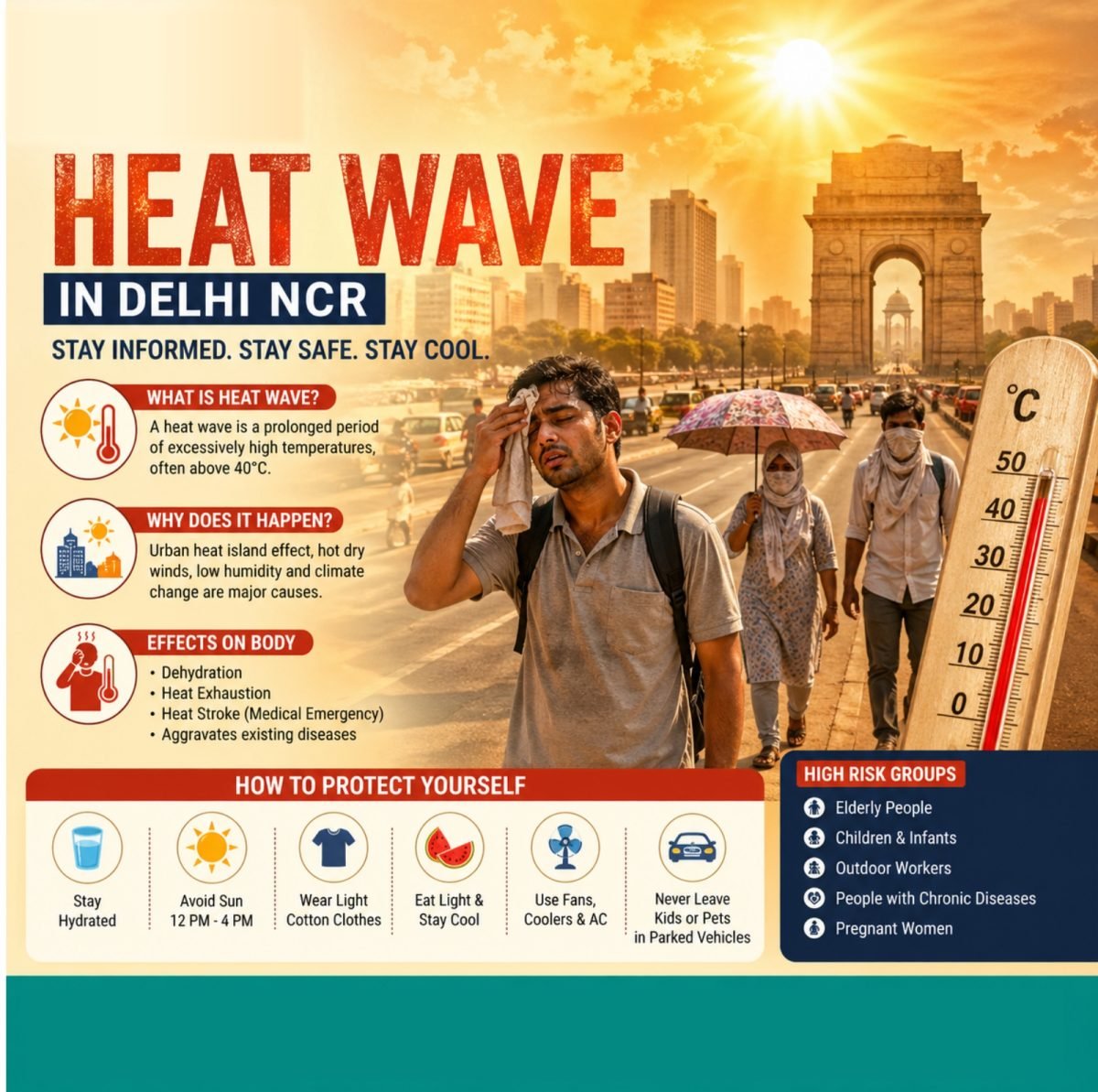
A heat wave is a prolonged period of excessively high temperatures, often combined with high humidity. In India, the meteorological department declares a heat wave when temperatures rise significantly above the normal range for a region—typically above 40°C in plains like Delhi NCR.
Why Do Heat Waves Occur in Delhi NCR?
Several factors contribute to the rising intensity of heat waves in this region:
1. Geographic Location
Delhi NCR lies in a landlocked area, far from moderating oceanic influences, which allows temperatures to rise rapidly.
2. Urban Heat Island Effect
Concrete buildings, roads, and reduced greenery trap heat, making cities significantly hotter than surrounding rural areas.
3. Climate Change
Global warming has increased the frequency and severity of heat waves over the past decades.
4. Hot Winds (Loo)
Dry, hot winds from the Thar Desert sweep across North India during summer, pushing temperatures even higher.
Current Heat Wave Situation in Delhi NCR (April 2026)
As of late April 2026, Delhi NCR—including Faridabad—has been experiencing severe heat wave conditions, with temperatures ranging between 43°C to 45°C.
However, towards the end of April, temporary relief was observed due to thunderstorms and rainfall, which brought down temperatures slightly.
Even with this short relief, the overall trend remains concerning, with above-normal temperatures continuing across the region.
What to Expect in the Coming Month (May 2026 Forecast)
Looking ahead, May is typically the hottest month in Delhi NCR—and current forecasts indicate:
In summary: Expect intense heat spells with intermittent short relief periods throughout May.
How Heat Waves Affect the Human Body
Extreme heat can disrupt the body’s natural temperature regulation system. Some of the common health effects include:
1. Dehydration
Excessive sweating leads to loss of fluids and essential salts.
2. Heat Exhaustion
Symptoms include weakness, dizziness, nausea, and headache.
3. Heat Stroke (Medical Emergency)
A severe condition where body temperature exceeds 40°C, potentially leading to organ damage or even death if untreated.
4. Aggravation of Existing Conditions
People with heart disease, diabetes, or respiratory issues are at higher risk during heat waves.
Who is Most at Risk?
Warning Signs You Should Not Ignore
Seek immediate medical attention if you notice:
Metro Hospital Faridabad is equipped to handle heat-related emergencies round the clock.
How to Protect Yourself During a Heat Wave
1. Stay Hydrated
Drink plenty of water even if you are not thirsty. Include ORS, coconut water, and fresh fruit juices.
2. Avoid Peak Sun Hours
Stay indoors between 12 PM and 4 PM when temperatures are at their highest.
3. Wear Appropriate Clothing
Opt for loose, light-colored cotton clothes that allow your skin to breathe.
4. Eat Light Meals
Prefer seasonal fruits like watermelon, cucumber, and curd-based dishes.
5. Use Cooling Measures
Take cool showers, use fans or air conditioning, and keep your living space ventilated.
6. Never Leave Children or Pets in Parked Vehicles
Temperatures inside cars can rise dangerously within minutes.
Traditional Indian Ways to Beat the Heat
India has long relied on natural and effective cooling methods:
Interesting Facts About Heat Waves in India
When to Visit a Doctor?
If you or someone you know experiences persistent symptoms like vomiting, or high fever during extreme heat, do not delay seeking medical help. Early intervention can save lives.
Conclusion
Heat waves in Delhi NCR are becoming more intense each year, but with awareness and preventive measures, their impact can be significantly reduced. Staying hydrated, avoiding direct sun exposure, and recognizing early warning signs are key to staying safe.
At Metro Hospital Faridabad, your health is our priority. Our emergency and critical care teams are always ready to provide immediate assistance during heat-related illnesses.
Stay safe, stay cool, and take care of your health this summer.

Seasonal changes can bring relief from extreme weather, but they can also increase the spread of respiratory infections. Every year,...

A Tribute by Metro Hospital Faridabad Every year on May 12, the world comes together to celebrate International Nurses Day...