Appointment
 Find A Doctor
 Lab Report

Breast Cancer Awareness Month 2026: Know the Signs, Understand Screening and Take Action
Sep 30, 2026
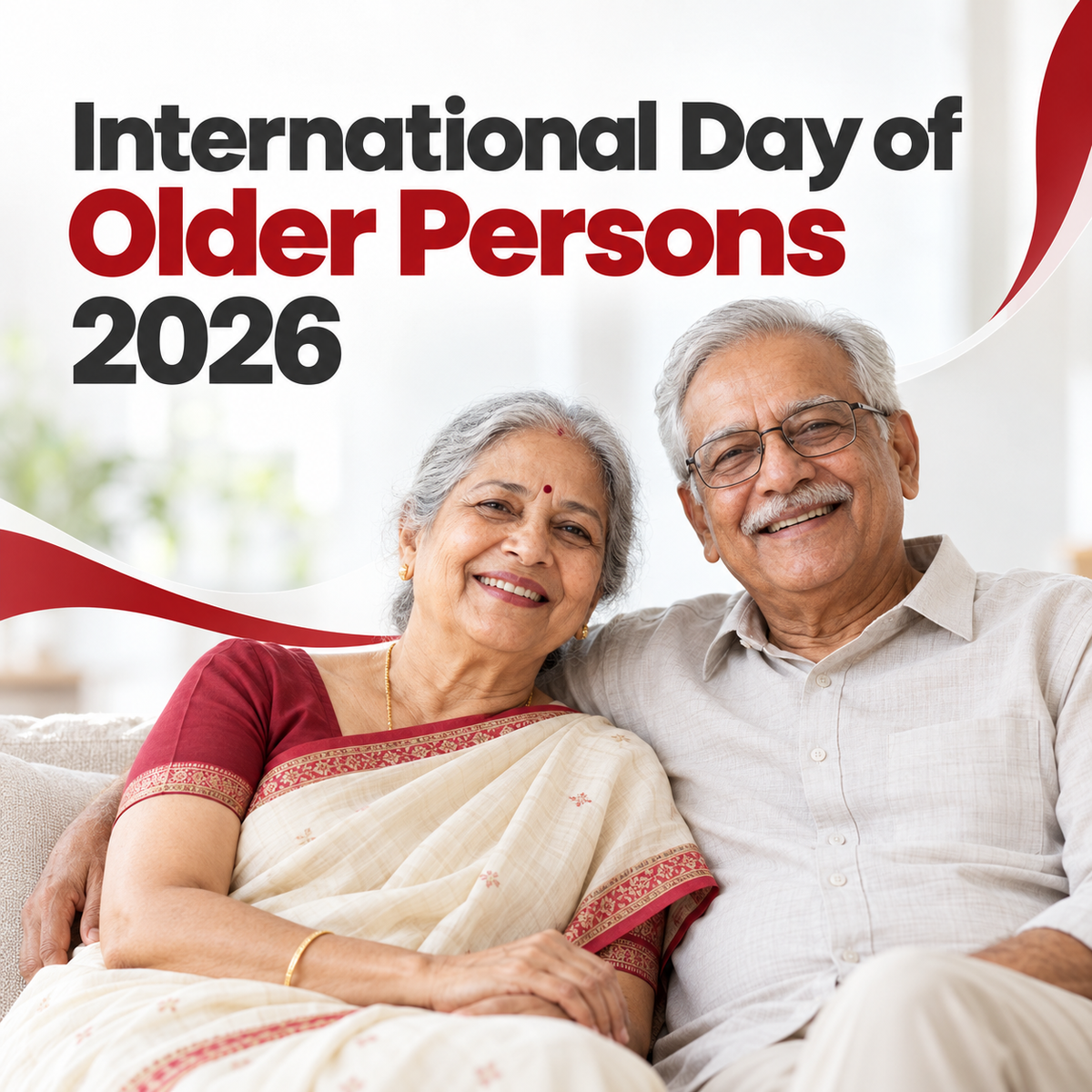
Growing older can bring new opportunities, deeper relationships and time to pursue interests that once took a back seat. It can also bring changing health needs, questions about independence and a greater need for accessible support.
International Day of Older Persons, observed every year on 1 October, encourages us to recognise older adults’ contributions and consider how society can better support their well-being. It is an opportunity to talk about healthy ageing, respectful care and the practical changes that make everyday life easier.
For families, this may begin with a conversation about a parent’s health concerns. For communities, it may mean safer public spaces and more opportunities for social participation. For healthcare providers, it means understanding the person’s priorities alongside their medical conditions.
International Day of Older Persons 2026 reminds us that older adults deserve to remain involved in decisions about their lives, with access to care that supports their comfort, capabilities and choices.
International Day of Older Persons falls on Thursday, 1 October 2026. The United Nations designated the observance in 1990 to draw attention to older people’s needs and contributions.
The 2026 theme is “The Age of Longevity: Rethinking Systems for Longer Lives.” It highlights the need for healthcare, housing, social protection and community services to adapt as people live longer.
For an individual family, that broad theme has a practical meaning. Can an older relative access appointments easily? Can they move around their home safely? Are they included in decisions, and do they have opportunities to maintain meaningful relationships?
These questions help turn an annual observance into improvements that matter throughout the year.
Healthy ageing is about maintaining the abilities that allow people to live well. Those abilities may include moving around, making decisions, maintaining relationships and participating in activities that feel meaningful.
A person can live with a long-term condition and still experience healthy ageing when that condition is managed and suitable support is available. Likewise, someone without a major diagnosis may need help with loneliness, mobility or everyday tasks.
There is no single pattern of ageing. People of the same age can have very different health needs and levels of independence. Care should therefore reflect the individual rather than assumptions based on their date of birth.
One useful question to ask an older family member is: “What would help you do more of the things that matter to you?”
Their answer may reveal a priority that a routine conversation about medicines would miss.
Older adults may need care for several conditions at the same time. Separate prescriptions, investigations and appointments can become difficult to manage without a clear overview.
An internal medicine physician can help assess adult health concerns, manage chronic illnesses and coordinate care when several conditions overlap. The aim is to consider how the conditions and their treatments affect the whole person.
Families can make consultations more useful by bringing a current medicine list, previous reports and a short description of recent changes. For example, explain whether someone is finding it harder to climb stairs, prepare meals or attend social activities.
The Internal Medicine Department at Metro Hospital, Faridabad provides outpatient and inpatient adult medical care, including management of chronic and complex illnesses. It can be a starting point for patients who need a broader assessment of their health concerns.
Regular physical activity supports physical and mental health. In older adults, it can also benefit sleep, mobility and the management of long-term conditions.
Activity does not have to mean a demanding gym routine. Walking, suitable recreational activities and exercises adapted to a person’s abilities can all contribute. The approach should be manageable and consistent.
Someone with limited mobility, a recent operation or an existing medical condition may need guidance from a doctor or physiotherapist before changing their activity routine. The goal is to find movement that is appropriate for their circumstances and can be continued safely.
A practical family approach is to ask whether the person would enjoy company for a walk or help arranging a supervised exercise session.
A varied diet helps support health in later life. Meals should provide suitable sources of protein alongside vegetables, fruit, whole grains and other foods appropriate to individual needs.
Familiar Indian foods can fit into a balanced eating pattern. Options might include dal, beans, curd, eggs, fish or other preferred protein sources, depending on dietary choices and medical advice.
Loss of appetite, difficulty shopping or problems with chewing can make eating well harder. Unintentional weight loss deserves attention rather than being accepted as an expected part of ageing.
Keep fluids accessible and discuss appropriate intake with the treating team, particularly if a medical condition requires a fluid restriction. Diet plans should also account for conditions such as diabetes or kidney disease.
Taking several medicines can increase the chance of side effects and interactions. Prescription medicines, over-the-counter products, vitamins and herbal supplements all belong in a medication review.
Maintain one updated list that includes:
Bring this list to appointments and ask whether the current schedule remains appropriate. Discuss difficulties such as confusing instructions, cost or trouble remembering doses.
Do not stop, combine or change medicines without advice from the prescribing clinician. A review is an opportunity to simplify and clarify treatment safely.
A fall can affect mobility and confidence, even when the initial injury appears minor. Older people have a greater risk of serious injury from falls, and prevention deserves attention.
Useful steps include reviewing walking difficulties, checking whether medicines contribute to dizziness and making the home easier to move around. Look for loose rugs, cluttered pathways, poor lighting and slippery surfaces. Appropriate footwear and professionally recommended walking aids may also help.
Tell a healthcare professional about falls or repeated near-falls. Avoid assuming that falling is an unavoidable part of getting older.
Discuss changes with the older person before rearranging their home. A safer space should still feel familiar and comfortable.
Meaningful relationships are an important part of well-being. Loneliness and social isolation can affect both physical and mental health.
Support should reflect the person’s interests. Some may enjoy community groups, religious gatherings or volunteering. Others may prefer regular conversations with a few friends or relatives.
Digital communication can help maintain contact, especially when family members live elsewhere. Offer patient assistance with video calls or messaging if the person wants it, while continuing opportunities for face-to-face interaction.
Ask how connected they feel rather than assuming that living with family means they cannot be lonely.
Helping an older adult does not always mean doing everything for them. It may mean making a task easier while allowing them to remain in control.
For example, offer transport to an appointment but let the person explain their concerns. Help organise documents without making decisions about treatment on their behalf. Ask whether they would like someone present during a consultation.
Respect preferences about food, routines, visitors and activities. If a choice raises a safety concern, discuss the concern clearly and explore alternatives together.
Small communication choices matter. Speak directly to the older person, allow time for answers and avoid treating them as though they are absent when discussing their care.
Independence can include accepting help. The important point is that support should preserve the person’s participation and dignity.
A little preparation can make a medical appointment more productive.
Before the visit, ask the older person which concerns they most want addressed. Write down two or three priorities instead of relying on memory during the appointment.
It may help to record:
During the consultation, ask for instructions in clear language. Before leaving, check that you understand the next steps, which tests are needed and when to return.
If several specialists are involved, ask who will help maintain an overall view of the treatment plan. Keep copies of prescriptions and reports in one accessible place.
Older adults may need access to different specialities as their health needs change. Metro Hospital, Faridabad, provides multispeciality services including internal medicine, cardiology, neurology, orthopaedics, diabetes and endocrinology, and rehabilitation. The relevant specialist depends on the person’s symptoms and diagnosis. Best Heart Hospital in Faridabad, Delhi/NCR
For concerns involving walking, balance or daily movement, the hospital’s Physiotherapy and Rehabilitation Department lists a geriatric care programme addressing problems such as frequent falls, osteoporosis, pain and mobility limitations. Its rehabilitation services also include gait training, balance exercises and functional training.
A useful care discussion should connect treatment with personal goals. For one patient, that may mean walking more confidently at home. For another, it may mean returning to a favourite activity or managing appointments with less difficulty.
Patients and families can use a consultation to discuss those goals alongside the medical findings.
Supporting an older relative often involves coordinating transport, appointments, meals and household responsibilities. It helps to agree on these tasks before they become difficult to manage.
Where possible, share responsibilities among willing family members. One person could organise appointments, another could help with groceries, and someone else could maintain regular social contact.
Keep an agreed contact list and make sure important information is available to those involved in care, with the older person’s permission.
Ask caregivers what would make the week easier. A specific offer—such as covering an appointment or preparing a meal—can be more useful than a general promise to help.
Families, workplaces and community groups can use 1 October to begin practical changes:
Avoid turning the day into a celebration that excludes older people from planning it. Their ideas should shape the activities intended for them.
It is observed every year on 1 October. In 2026, it falls on a Thursday.
The theme is “The Age of Longevity: Rethinking Systems for Longer Lives.” It focuses on adapting systems and services to support longer lives.
No. Healthy ageing includes maintaining abilities and well-being while receiving appropriate support for existing conditions.
An internal medicine physician can be a useful starting point for assessing overlapping adult health concerns and coordinating further care.
Physiotherapy can address suitable movement, strength, walking and balance goals. Metro Hospital’s rehabilitation department provides services for older adults with mobility concerns.
Visit the Metro Hospital contact page or call 0129-6911111 to enquire about appointments and the appropriate department.
International Day of Older Persons 2026 offers a reason to begin a useful conversation today. Ask an older person what matters most to them, listen carefully and agree on one practical step that supports their health, comfort or independence.