Appointment
 Find A Doctor
 Lab Report

Global Handwashing Day 2026: Theme, Importance, Proper Handwashing Steps and Infection Prevention
Oct 15, 2026
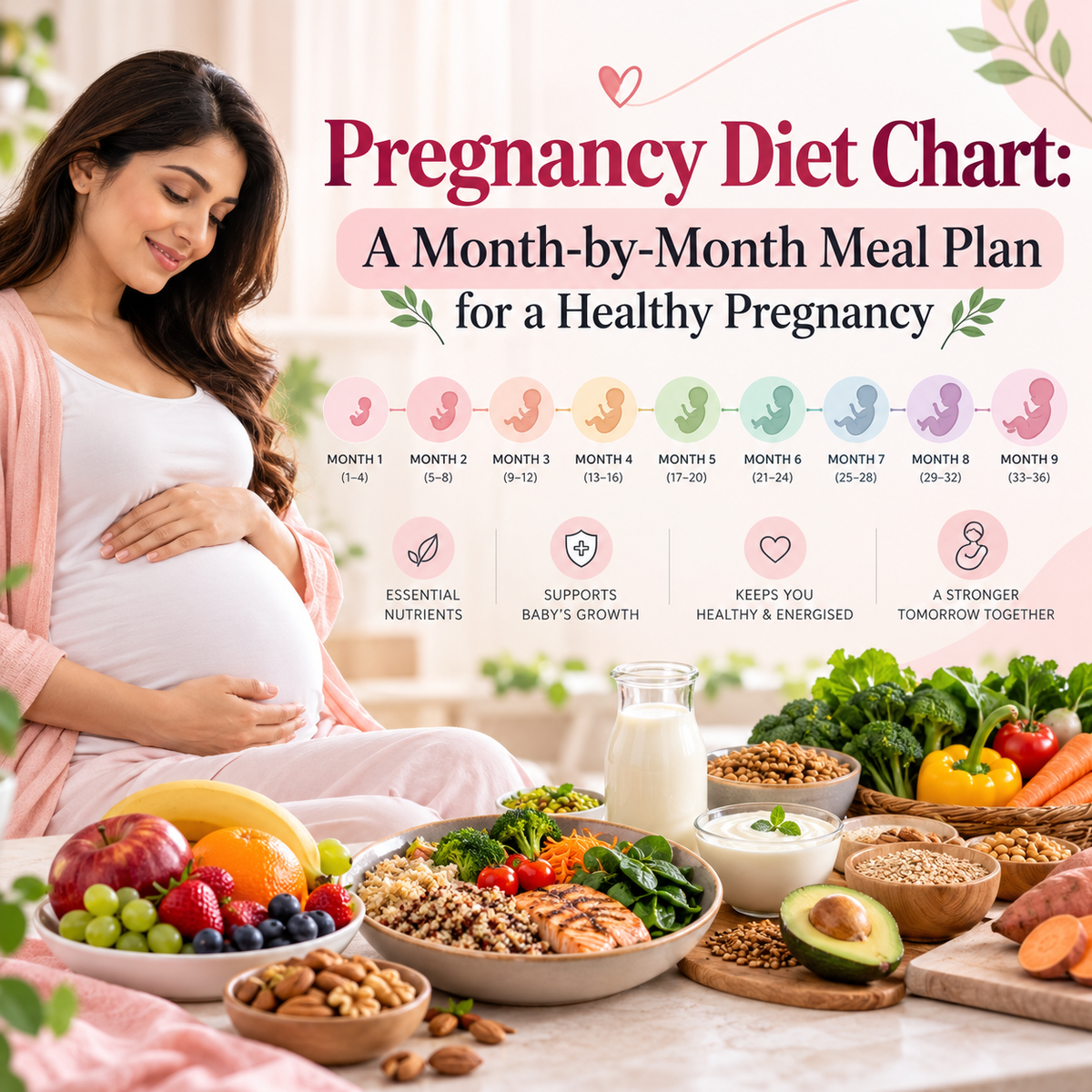
Pregnancy is a time when nutrition matters most. The food you eat supports your health while also providing the nutrients your baby needs for growth and development. A well-balanced pregnancy diet chart doesn’t mean eating twice as much food or following a complicated, restrictive diet. It means choosing nutrient-dense foods, eating regularly, staying hydrated, and adjusting meals as your needs change throughout pregnancy.
Most pregnant women do not need to “eat for two.” Instead, focus on food quality, balanced portions, and key nutrients such as protein, iron, calcium, folate, vitamin D, iodine, and healthy fats. A varied diet containing fruits, vegetables, whole grains, protein sources and safe dairy products can help meet many of these nutritional needs.
At Metro Hospital, Faridabad, expectant mothers can receive antenatal care through the Obstetrics & Gynaecology Department, which provides pregnancy monitoring, antenatal screening and high-risk pregnancy care. The Nutrition & Dietetics Department also offers individualised nutrition counselling, including support for a healthy pregnancy.
This detailed month-by-month pregnancy diet guide explains what to eat during each stage of pregnancy, key nutrients to focus on, foods to limit or avoid, practical Indian meal ideas and when you may need personalised advice.
A healthy pregnancy diet supports several important functions, including:
Pregnancy nutrition is not about eliminating entire food groups unless medically required. The goal is to include a wide variety of foods so you get essential vitamins, minerals, protein, fibre, and healthy fats.
A practical pregnancy meal should generally include a combination of:
Examples:
These provide energy, fibre and several micronutrients.
Examples:
Protein is important for maternal tissues and foetal growth.
Aim for variety and different colours.
Useful options include:
NHS guidance recommends eating at least five portions of a variety of fruits and vegetables daily during pregnancy.
Examples:
These can help provide calcium and protein.
Examples:
Folic acid is particularly important before conception and during early pregnancy because it reduces the risk of neural tube defects.
Standard guidance recommends 400 micrograms of folic acid daily until the end of the first trimester, unless a doctor recommends a higher dose based on individual risk factors.
Food sources of folate include:
Pregnancy increases iron requirements because blood volume expands and the growing baby also needs iron.
Iron-rich foods include:
If blood tests show anaemia, your obstetrician may prescribe iron supplements.
Calcium supports maternal bone health and the baby’s developing bones and teeth.
Good sources include:
Vitamin D supports calcium absorption and bone health.
Pregnant women may require supplementation depending on local guidance, diet, sun exposure and medical assessment.
Protein is needed throughout pregnancy and becomes especially important as foetal growth accelerates.
Try to include a protein source in every major meal.
View a month-by-month diet chart as a practical framework rather than a fixed prescription. Calorie and nutrient needs vary based on pre-pregnancy weight, activity, blood sugar, anaemia, nausea, multiple pregnancy and other medical factors.
The first month is extremely important because the baby’s neural tube begins developing very early.
Early morning:
Water + 4–5 soaked almonds
Breakfast:
Vegetable poha + curd
Mid-morning:
Orange or guava
Lunch:
2 whole-wheat rotis + dal + spinach sabzi + curd + salad
Evening:
Roasted chana + milk
Dinner:
Vegetable khichdi + paneer or tofu + cooked vegetables
Start or continue your folic acid supplement as prescribed.
Morning sickness often becomes more noticeable during the second month.
Large meals may worsen nausea, so smaller and more frequent meals may be easier to tolerate.
Before getting out of bed:
2 plain crackers or dry toast
Breakfast:
Oats with milk and fruit
Mid-morning:
Coconut water or fruit
Lunch:
Rice + moong dal + vegetable + curd
Evening:
Makhana or roasted chana
Dinner:
2 rotis + paneer bhurji + cooked vegetables
Try:
If vomiting is severe and you cannot keep fluids down, contact your obstetrician.
By the third month, many women are approaching the end of the first trimester.
The focus remains on folate, protein, iron and balanced nutrition.
Early morning:
Water + soaked walnuts
Breakfast:
2 besan chillas with vegetables + curd
Mid-morning:
Apple
Lunch:
Roti + rajma + mixed vegetable + salad
Evening:
Milk + small handful of nuts
Dinner:
Dalia pulao + paneer + soup
Continue any supplements your doctor prescribed.
The routine 400 mcg folic acid recommendation generally covers the first 12 weeks unless a doctor has advised a higher dose.
The second trimester covers months 4, 5 and 6.
For many women, nausea improves and appetite increases.
This is a good time to focus more strongly on:
The baby begins growing more rapidly.
Early morning:
Milk or fortified soy milk
Breakfast:
Vegetable upma + curd
Mid-morning:
Pear + nuts
Lunch:
Roti + dal + bhindi + curd + salad
Evening:
Sprouts chaat
Dinner:
Brown rice + chana curry + vegetables
Iron needs become increasingly important as maternal blood volume increases.
Pair plant iron sources with vitamin C-rich foods such as:
Vitamin C can help improve absorption of plant-based iron.
Breakfast:
Vegetable oats + boiled egg if consumed
Snack:
Guava
Lunch:
Roti + palak dal + paneer + salad
Evening:
Roasted makhana + buttermilk
Dinner:
Vegetable pulao + raita + mixed beans
As pregnancy progresses, constipation can become more common.
Breakfast:
Dalia with vegetables
Mid-morning:
Papaya or pear
Lunch:
Roti + dal + lauki/chana sabzi + curd
Evening:
Fruit + seeds
Dinner:
Moong dal khichdi + mixed vegetables
The third trimester includes months 7, 8 and 9.
The baby grows rapidly during this stage, while many women experience:
Small frequent meals may work better than large meals.
Early morning:
Warm milk + nuts
Breakfast:
Paneer paratha with curd or vegetable idli
Mid-morning:
Orange or apple
Lunch:
2 rotis + dal + mixed vegetable + salad
Evening:
Roasted chana + fruit
Dinner:
Rice + rajma + vegetables
Heartburn may become more common because the growing uterus puts pressure on the stomach.
Breakfast:
Oats porridge + nuts
Mid-morning:
Fruit
Lunch:
Roti + moong dal + vegetables + curd
Evening:
Paneer sandwich on whole-grain bread
Dinner:
Vegetable soup + khichdi
The final month should focus on maintaining nutritional quality while avoiding very large meals.
Breakfast:
Vegetable poha + curd
Mid-morning:
Banana or apple
Lunch:
Roti + dal + paneer + vegetables
Evening:
Milk + nuts
Dinner:
Dalia khichdi + vegetables + curd
Continue your prescribed supplements until your obstetrician advises otherwise.
| Time | Meal Option |
|---|---|
| 7:00 AM | Water + soaked almonds/walnuts |
| 8:30 AM | Vegetable poha/upma/oats + milk or curd |
| 11:00 AM | One fruit |
| 1:30 PM | 2 rotis + dal + vegetable + curd + salad |
| 4:30 PM | Roasted chana/makhana/sprouts |
| 6:30 PM | Milk or fruit |
| 8:30 PM | Roti/rice + protein source + cooked vegetables |
| 10:00 PM | Milk if desired and tolerated |
This is only a general example. Women with gestational diabetes, hypertension, thyroid disease, obesity, anaemia, kidney disease or other conditions may require a modified plan.
A well-planned vegetarian diet can provide most nutrients required during pregnancy.
Important foods include:
Vegetarians should pay particular attention to:
A dietitian can help if intake is inadequate.
Women with gestational diabetes should not follow a generic high-carbohydrate pregnancy diet.
The meal plan may need adjustment to:
Metro Hospital’s Obstetrics & Gynaecology Department provides high-risk pregnancy care, including management of pregnancies complicated by diabetes and high blood pressure.
You can also receive individual diet counselling through the Nutrition & Dietetics Department.
Food safety is particularly important during pregnancy.
Avoid unpasteurised:
because of the risk of listeria.
Pasteurised milk, yoghurt, paneer and many pasteurised cheeses are generally considered safe.
Undercooked meat can carry infections such as toxoplasmosis and other foodborne illnesses.
Meat should be thoroughly cooked.
In India, the safest practical advice is to consume eggs well cooked unless your obstetrician specifically advises otherwise.
Avoid high-mercury fish because mercury can affect foetal neurological development.
Wash produce thoroughly to reduce contamination risks.
There is no established safe amount of alcohol during pregnancy; avoiding alcohol is the safest approach.
Pregnancy guidance commonly recommends limiting caffeine to no more than 200 mg per day.
Remember that caffeine can come from:
Ripe papaya is generally considered a nutritious fruit and provides fibre, vitamin C and other nutrients.
Food myths around pregnancy are common, so rather than automatically excluding nutritious foods, discuss any specific concern with your obstetrician.
Pineapple can generally be consumed in normal portions as part of a balanced pregnancy diet unless you have a medical reason to avoid it.
Avoid relying on internet claims that single foods can cause or induce labour without medical evidence.
Fluid requirements vary based on:
Drink regularly throughout the day and monitor hydration.
Useful options include:
Women with kidney, heart or blood-pressure-related conditions should follow individual advice.
Cravings are common.
If you occasionally crave sweets or fried foods, moderate portions can usually fit into a balanced diet.
However, cravings for non-food substances such as:
may indicate pica, which can sometimes be associated with iron deficiency.
Inform your doctor if this occurs.
Supplements should be prescribed based on individual requirements.
Commonly considered supplements include:
Avoid taking high-dose supplements without medical guidance.
Pregnancy guidance specifically advises avoiding supplements containing excess vitamin A in the form of retinol, because excessive vitamin A can harm foetal development.
Pregnancy is not generally the time for aggressive weight-loss dieting.
Women who start pregnancy overweight or obese may need carefully managed weight gain, but calorie restriction should be supervised.
Focus on:
Constipation is common.
Helpful dietary measures include:
Increase fibre gradually to reduce bloating.
Try:
If heartburn is frequent or severe, speak with your obstetrician.
Dietitian consultation may be especially helpful if you have:
Metro Hospital’s Nutrition & Dietetics Department specifically lists nutrition for healthy pregnancy among its individual consultation services and provides personalised therapeutic nutrition plans.
A pregnancy diet should always be considered alongside regular antenatal care.
Metro Hospital, Faridabad’s Obstetrics & Gynaecology Department provides:
The department also provides multidisciplinary care for high-risk pregnancies involving conditions such as diabetes, high blood pressure, heart disease, blood disorders, previous pregnancy loss and growth-restricted babies.
For women planning vaginal delivery, Metro Hospital also provides Normal Delivery Care in Faridabad, including prenatal assessment, ultrasound monitoring and nutritional guidance.
The hospital’s maternity services include prenatal, delivery and postnatal care, as well as nutritional counselling and neonatal support.
Include a combination of whole grains, vegetables, fruit, protein sources, safe dairy products or fortified alternatives, nuts and seeds.
No. Pregnancy does not mean doubling your food intake. Focus instead on nutrient-dense foods and appropriate portions.
There is no single best fruit. Apples, oranges, guava, pears, berries, bananas and ripe papaya can all fit into a balanced diet.
Focus on folic acid, protein, fruits, vegetables, whole grains and adequate fluids. Smaller meals may help if you have nausea.
Standard guidance recommends 400 micrograms daily from before conception until 12 weeks of pregnancy unless your doctor prescribes a higher dose.
Avoid unpasteurised dairy, raw or undercooked meat, high-mercury fish, alcohol and unsafe foods that can increase infection risk.
Yes, but total caffeine should generally remain below 200 mg per day.
Pasteurised paneer is generally considered safe and can provide protein and calcium.
Yes, provided it is well planned and includes adequate protein, iron, calcium, vitamin B12 and other essential nutrients.
Consider personalised nutrition advice if you have gestational diabetes, anaemia, excessive or inadequate weight gain, multiple pregnancy, severe nausea or other medical conditions.
A good pregnancy diet chart should change with your nutritional needs rather than follow rigid rules.
During the first trimester, priorities include:
During the second trimester, focus increasingly on:
During the third trimester, continue nutrient-dense meals while managing:
The healthiest pregnancy diet includes:
At Metro Hospital, Faridabad, expectant mothers can access comprehensive antenatal and high-risk pregnancy care through the Obstetrics & Gynaecology Department, while the Nutrition & Dietetics Department provides personalised pregnancy nutrition counselling.
A month-by-month pregnancy meal plan can be a useful guide, but it should always be adapted to your blood tests, weight, medical conditions, food preferences and your obstetrician’s recommendations.
Disclaimer: This blog is intended for general health education only. Pregnancy nutrition should be individualised, especially in women with gestational diabetes, high blood pressure, anaemia, thyroid disorders, kidney disease or high-risk pregnancy.