Appointment
 Find A Doctor
 Lab Report

अल्सर क्या होता है? लक्षण, कारण, जाँच, इलाज और बचाव की पूरी जानकारी
Oct 24, 2026
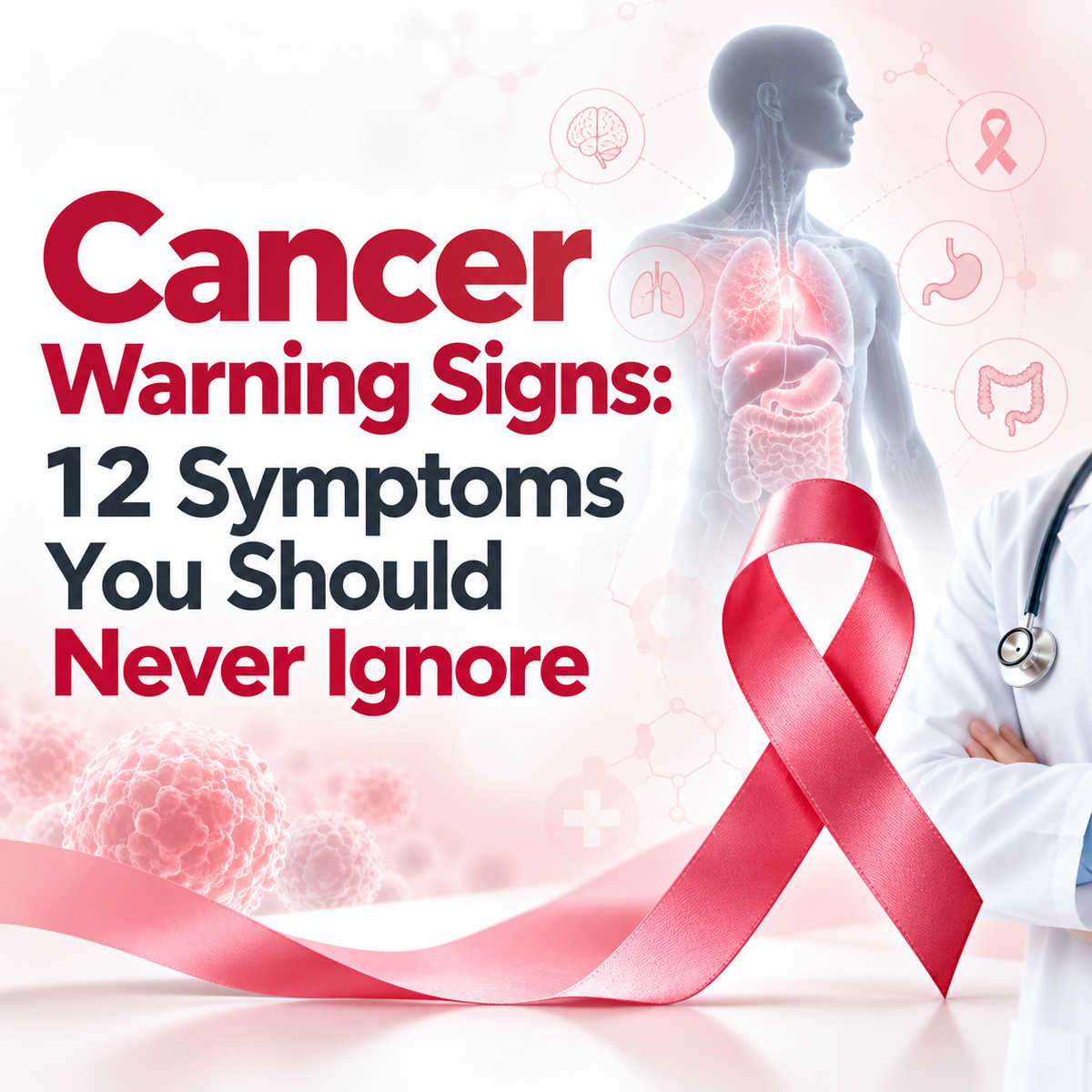
Cancer can develop in almost any part of the body, and the symptoms vary depending on the organ involved, the size of the tumour, and whether it has spread. Some cancers cause noticeable symptoms early, while others may remain silent for a long time.
This is why understanding common cancer warning signs can be useful.
A symptom does not automatically mean cancer. In fact, most symptoms that may occur with cancer are more often caused by non-cancerous conditions such as infections, inflammation, hormonal changes, digestive problems or benign growths. However, unexplained symptoms that persist, worsen, recur, or significantly change how your body normally functions should be medically evaluated. The National Cancer Institute advises seeing a doctor if unexplained symptoms don’t improve after a few weeks, rather than waiting for pain to develop.
At Metro Cancer Institute, Metro Hospital, Faridabad, patients with suspicious lumps, unexplained bleeding, persistent weight loss, abnormal imaging findings or other possible cancer warning signs can access comprehensive evaluation through Medical Oncology, Surgical Oncology and Radiation Oncology. Metro Cancer Institute provides multidisciplinary cancer care for both solid tumours and blood cancers.
This detailed guide explains 12 cancer warning signs you should never ignore, why they occur, which cancers may be associated with them, and when to seek medical evaluation.
Cancer treatment is often more straightforward when doctors identify disease at an earlier stage.
Early diagnosis may allow:
However, early detection does not mean every unusual symptom requires panic.
The key is to watch for symptoms that are:
The American Cancer Society specifically advises paying attention to major changes in how your body works or feels, particularly if they persist or worsen.
Losing weight without trying can be an important warning sign.
Weight loss may be concerning when:
Cancer can cause weight loss because tumours may alter metabolism, affect appetite, interfere with digestion or increase the body’s energy requirements.
Unexplained weight loss may be associated with cancers involving the:
However, many non-cancerous conditions can also cause weight loss, including:
If weight loss is persistent and unexplained, seek medical evaluation.
A new lump is one of the most recognised cancer warning signs.
Lumps may occur in:
The American Cancer Society includes unexplained swelling or lumps anywhere in the body among common warning signs that should be evaluated.
Not every lump is cancer.
Possible benign causes include:
But a lump deserves medical attention when it:
Breast cancer may present as:
NCI specifically lists a lump or firm feeling in the breast or under the arm as a possible warning sign.
Unexplained bleeding should never be ignored.
Cancer-related bleeding can appear in several ways:
NCI and the American Cancer Society both list unusual bleeding as a symptom that warrants assessment.
Possible causes include:
Persistent or repeated rectal bleeding needs medical assessment.
Possible causes include:
Visible blood in urine should be evaluated even if it occurs only once.
A cough is usually caused by:
However, a cough that does not improve may require further evaluation.
Concerning features include:
NCI lists a cough or hoarseness that does not go away among possible cancer symptoms.
Persistent cough may sometimes be associated with lung cancer, while ongoing hoarseness may be related to cancers affecting the larynx or surrounding structures.
Smoking history increases concern but lung cancer can also occur in non-smokers.
Persistent changes in bowel movements can be an important warning sign.
These may include:
The American Cancer Society includes persistent bowel changes and changes in stool appearance among warning signs that should be medically assessed.
Possible causes include:
A sudden and persistent change in bowel habits, particularly with bleeding, weight loss or anaemia, should not be ignored.
Changes in urination may include:
NCI includes difficulty urinating, painful urination and blood in urine among possible cancer-related bladder changes.
Most urinary symptoms are caused by conditions such as:
But persistent changes can sometimes occur with cancers of the:
Most cuts and ulcers gradually heal.
A sore that remains for several weeks deserves evaluation, particularly if it:
NCI specifically lists a skin sore that does not heal as a possible cancer symptom.
A mouth ulcer lasting more than a couple of weeks may need dental or specialist assessment.
Warning signs include:
These symptoms can sometimes occur with oral or head-and-neck cancers.
Difficulty swallowing is known medically as dysphagia.
It may feel like:
NCI lists persistent swallowing difficulty as a symptom that requires evaluation.
Possible causes include:
If swallowing difficulty worsens or is accompanied by weight loss, seek medical advice promptly.
Fatigue means more than feeling tired after a busy day.
Cancer-related fatigue may be:
The American Cancer Society includes extreme tiredness that does not improve with rest among common cancer warning signs.
However, fatigue is very common and can also be caused by:
If fatigue continues for weeks or affects normal daily activity, further evaluation is reasonable.
Pain can have many causes and usually does not mean cancer.
However, persistent unexplained pain deserves attention.
Examples include:
The American Cancer Society lists pain that does not go away or progressively worsens among potential cancer symptoms.
Cancer may cause pain when a tumour:
Do not wait for severe pain before seeking medical attention if other warning signs are present.
Skin changes can occasionally indicate skin cancer.
Look for:
NCI specifically lists a new mole, a change in an existing mole and non-healing skin lesions among possible warning signs.
A useful way to remember suspicious mole features is:
Not every unusual mole is cancer, but a rapidly changing lesion should be examined.
Fever usually occurs because of infection.
However, persistent unexplained fever or repeated night sweats may occasionally be associated with cancer, particularly certain blood cancers.
Possible associated cancers include:
NCI includes unexplained fever and night sweats among possible cancer symptoms.
Seek medical evaluation if fever or night sweats:
Apart from these 12 symptoms, other concerning changes may include:
NCI lists several of these additional symptoms as possible cancer-related warning signs, while emphasising that most are more commonly caused by non-cancerous conditions.
No.
This is extremely important.
Most symptoms discussed in this article have many possible causes.
For example:
Weight loss may result from thyroid disease.
Blood in stool may come from piles.
Persistent cough may be due to asthma.
Fatigue may be caused by anaemia.
A lump may be a benign cyst.
The goal of recognising warning signs is not to diagnose yourself.
The goal is to avoid ignoring persistent or unexplained changes.
There is no single rule for every symptom.
NCI advises discussing symptoms that persist for a couple of weeks with a doctor.
However, you should seek earlier care for symptoms such as:
Screening and symptom evaluation are different.
Screening is performed in people who may not have symptoms.
Examples include:
This is performed because a patient already has a warning sign.
Depending on the symptom, doctors may recommend:
Screening should never replace evaluation for persistent symptoms.
No single test detects every cancer.
Diagnosis depends on the suspected organ and may include:
These can identify abnormalities such as:
Possible imaging tests include:
Endoscopy allows doctors to directly examine certain internal organs.
A biopsy removes a tissue sample for pathological examination.
In many cancers, biopsy is necessary to confirm the diagnosis.
Patients with suspicious cancer symptoms or abnormal test results can receive a comprehensive evaluation at Metro Cancer Institute, Metro Hospital, Faridabad.
Its oncology programme brings together:
Metro Cancer Institute also uses a multidisciplinary treatment approach, where specialists from different oncology disciplines collaborate to plan care.
The Medical Oncology Department provides systemic cancer treatment including:
The institute also lists preventive oncology and cancer screening among its services.
The Surgical Oncology Department provides organ-specific cancer surgery for cancers including:
The department also uses minimally invasive and robotic-assisted techniques in selected patients.
The Radiation Oncology Department uses TrueBeam with HyperArc and provides techniques such as:
This supports precise treatment planning for a range of cancers.
One of the biggest mistakes patients make is repeatedly treating symptoms without identifying the underlying cause.
Examples include:
Persistent symptoms do not always mean cancer, but early medical evaluation can identify both cancerous and non-cancerous conditions sooner.
Common warning signs include unexplained weight loss, new lumps, unusual bleeding, persistent cough, bowel changes, urinary changes, non-healing sores, swallowing difficulty, severe fatigue, persistent pain, skin changes and unexplained fever or night sweats.
Not necessarily. Many conditions can cause weight loss, but persistent weight loss without dieting should be evaluated by a doctor.
Many painless lumps are benign, but any new or enlarging lump should be examined because some cancers can start as painless masses.
Yes. Cancer can sometimes cause persistent severe fatigue, although anaemia, thyroid disease, infection and poor sleep are more common causes.
Blood in stool, blood in urine, coughing blood, unexplained vaginal bleeding or other unusual bleeding may require investigation.
A cough that persists, worsens, or occurs with blood, breathlessness or weight loss should be medically evaluated rather than repeatedly self-treated.
Some cancers can cause pain, but many early cancers do not. NCI specifically advises not waiting for pain before seeking medical evaluation for persistent suspicious symptoms.
Cancer diagnosis depends on the cancer type. Imaging may identify a suspicious lesion, but biopsy is often required to confirm whether tissue is cancerous.
Some cancers can be detected through screening tests such as mammography, cervical screening and colorectal screening in appropriate individuals.
Patients with suspicious symptoms or abnormal tests can seek evaluation at Metro Cancer Institute, Metro Hospital, Faridabad, which offers multidisciplinary Medical, Surgical and Radiation Oncology services.
Cancer can cause many different symptoms depending on where it develops.
The 12 cancer warning signs you should never ignore are:
Having any one of these symptoms does not mean you have cancer.
Most are more often caused by other conditions. However, unexplained symptoms that persist for weeks, worsen, or occur with weight loss, bleeding, or a new lump deserve medical attention.
At Metro Cancer Institute, Metro Hospital, Faridabad, patients can access comprehensive cancer evaluation and treatment through Medical Oncology, Surgical Oncology and Radiation Oncology, supported by multidisciplinary treatment planning and advanced cancer-care infrastructure.
The most important message is simple:
Know what is normal for your body. If something changes and does not return to normal, get it checked rather than ignoring it.
Disclaimer: This article is intended for general health education only. You cannot diagnose cancer from symptoms alone. Consult a qualified healthcare professional for persistent, unexplained or concerning symptoms.