Appointment
 Find A Doctor
 Lab Report
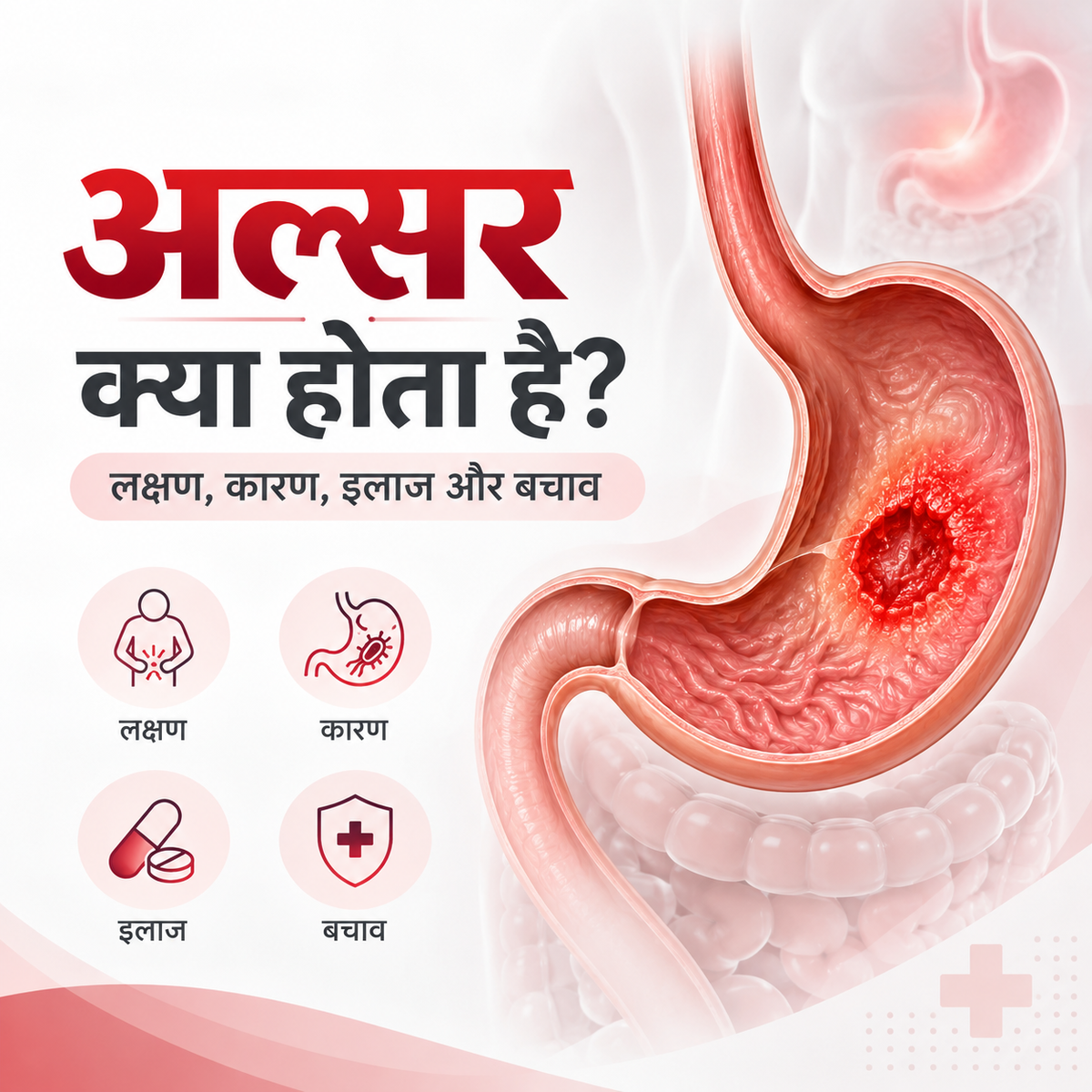
अल्सर क्या होता है? लक्षण, कारण, जाँच, इलाज और बचाव की पूरी जानकारी
Oct 24, 2026

A urinary tract infection (UTI) is one of the most common infections affecting the urinary system. It can occur in the urethra, bladder, ureters, or kidneys, although most UTIs involve the lower urinary tract—especially the bladder and urethra.
UTIs are particularly common in women, but men, children, older adults and pregnant women can also develop them. Most uncomplicated UTIs respond well to treatment, but an untreated infection can sometimes spread to the kidneys and become more serious.
Typical symptoms include a burning sensation while urinating, frequent urges to pass urine, lower abdominal discomfort, cloudy or strong-smelling urine, and sometimes blood in the urine. If the infection reaches the kidneys, symptoms may include fever, chills, nausea, vomiting, and back or side pain.
At Metro Hospital, Faridabad, patients with urinary infections and related concerns can seek specialist evaluation through the Urology Department, which manages urinary tract infections, bladder conditions, prostate problems, urinary obstruction and stone disease. Women with recurrent urinary infections can also receive evaluation through the Obstetrics & Gynaecology Department.
This detailed guide explains UTI symptoms, causes, risk factors, diagnosis, treatment, recurrent UTIs, UTIs in women and men, pregnancy-related concerns, kidney infection warning signs, and practical prevention tips.
The urinary system includes:
A UTI develops when microorganisms—most often bacteria—enter the urinary tract and multiply.
Most infections begin in the lower urinary tract.
A bladder infection is called cystitis, while an infection involving the urethra is called urethritis.
If bacteria travel upward to one or both kidneys, the condition may develop into a kidney infection or pyelonephritis, which requires prompt medical treatment.
NIDDK notes that bladder infections are the most common form of UTI and can spread to the kidneys if untreated.
UTI symptoms can vary depending on which part of the urinary tract is affected.
Common UTI symptoms include:
A burning, stinging, or painful sensation during urination is one of the most recognised UTI symptoms.
This symptom is known medically as dysuria.
You may feel the need to urinate more frequently than usual.
However, only a small amount of urine may pass each time.
A strong urge to urinate may occur suddenly and may be difficult to postpone.
A bladder infection may cause:
Urine may appear cloudy because of:
Some patients may notice:
Blood in urine should be evaluated by a doctor because UTIs are only one possible cause.
Urine may develop an unusual or strong odour.
However, smell alone cannot confirm a UTI because hydration and diet can also affect urine odour.
NIDDK lists burning urination, frequent urinary urges, lower abdominal discomfort, and cloudy, bloody or strong-smelling urine among common bladder infection symptoms.
Women develop UTIs more often than men.
One reason is anatomy: the female urethra is shorter, which means bacteria have a shorter distance to travel to reach the bladder.
Common UTI symptoms in women include:
Some women may also have recurrent UTIs associated with:
Metro Hospital’s Obstetrics & Gynaecology Department specifically provides evaluation and management for recurrent urinary infection, urinary urgency, urge incontinence and voiding problems in women.
UTIs are less common in men, but when they occur, they may require more detailed assessment.
Symptoms can include:
Risk factors in men include:
Mayo Clinic notes that prostate problems and urinary obstruction may increase the likelihood of bladder infection in men.
Repeated UTIs in men should not simply be treated repeatedly without investigating the underlying cause.
UTIs may be more difficult to recognise in older adults because symptoms may overlap with other health conditions.
Typical urinary symptoms may still occur, but older patients may sometimes present atypically.
For this reason, symptoms should be interpreted together with:
A positive urine test alone does not always mean that symptoms are caused by a UTI, especially in older adults.
Most UTIs are caused by bacteria.
The most common cause of bladder infection is Escherichia coli, or E. coli, a bacterium that normally lives in the gastrointestinal tract.
UTIs develop when bacteria enter the urethra and travel upward into the urinary tract.
The urinary system normally has several defence mechanisms, including urine flow, which helps flush bacteria out.
Infection can develop when these defences are overcome.
Several factors can increase UTI risk.
Women have a shorter urethra than men.
This makes it easier for bacteria to reach the bladder.
Sexual activity can move bacteria toward the urethra.
Some women experience recurrent UTIs related to intercourse.
Pregnancy causes changes in the urinary tract that can increase the risk of urinary infection.
UTIs during pregnancy deserve prompt medical attention because infection may affect both maternal health and pregnancy outcomes. Mayo Clinic notes an association between UTIs during pregnancy and risks such as premature birth or low birth weight.
Lower oestrogen levels can alter the vaginal and urinary environment and increase UTI risk.
Stones may obstruct urine flow or create conditions that allow bacteria to persist.
In men, prostate enlargement can prevent complete bladder emptying and increase infection risk.
Diabetes can affect immune function and urinary health, increasing susceptibility to infection.
Catheters can introduce bacteria into the urinary system.
Residual urine creates an environment where bacteria can multiply.
Structural abnormalities may affect urine flow and increase infection risk.
One of the most important distinctions is whether infection remains in the bladder or has spread to the kidneys.
Common symptoms include:
Warning signs include:
NIDDK advises prompt medical care for these symptoms because kidney infections can cause serious complications if not treated early.
Seek urgent medical evaluation if urinary symptoms occur with:
A complicated kidney infection can sometimes lead to bloodstream infection or sepsis.
Yes.
Inflammation of the bladder lining may cause blood to appear in the urine.
However, blood in urine can also occur because of:
Therefore, visible blood in urine should not automatically be assumed to be caused by infection.
A simple lower UTI usually causes pelvic or lower abdominal discomfort rather than severe back pain.
Back or flank pain—especially with fever—raises concern for kidney involvement.
Seek medical evaluation promptly if these symptoms occur.
Diagnosis usually begins with:
NIDDK notes that common diagnostic tests include urinalysis and urine culture, with blood tests and imaging used when necessary.
Urinalysis can look for:
A urine test can support the diagnosis but should always be interpreted with symptoms.
A urine culture identifies bacteria growing in the urine.
It can help determine:
Culture is particularly useful for:
Blood tests may be recommended when doctors suspect:
If infections repeatedly return, a urologist may recommend imaging to look for problems such as:
NIDDK notes that imaging and cystoscopy may be considered in patients with repeated bladder infections to identify an underlying cause.
Metro Hospital’s Laboratory Services include Clinical Pathology and Microbiology testing and operate round the clock. The hospital states that its diagnostic laboratory is NABL accredited.
Urine analysis and microbiological testing may be used to evaluate suspected urinary infections, depending on clinical need.
Treatment depends on:
Bacterial bladder infections are usually treated with antibiotics.
The exact antibiotic and treatment duration depend on:
NIDDK advises patients to take antibiotics exactly as prescribed and complete the prescribed course rather than stopping early when symptoms improve.
Taking antibiotics without proper medical advice can:
If symptoms repeatedly return after self-treatment, further investigation is usually more useful than continuing random antibiotics.
Adequate hydration can help maintain urine flow.
NIDDK recommends drinking enough liquids, especially water, during bladder infection recovery unless a doctor has advised fluid restriction because of another condition.
Patients with:
should follow their doctor’s specific advice rather than increasing water intake indiscriminately.
Doctors may recommend appropriate pain relief for discomfort while the infection resolves.
A heating pad over the lower abdomen or back may also provide some symptomatic relief.
Many uncomplicated bladder infections begin improving after appropriate treatment.
However, duration varies depending on:
If symptoms do not improve or worsen after treatment begins, contact your doctor.
Recurrent UTI generally refers to repeated urinary infections.
Mayo Clinic defines recurrent infection as two or more UTIs within six months or three or more within one year.
Repeated UTIs may require assessment for:
Women with repeated infections may need evaluation for:
In perimenopausal or menopausal women, a doctor may consider vaginal oestrogen in selected cases to reduce recurrent bladder infections.
Metro Hospital’s Obstetrics & Gynaecology Department provides assessment for recurrent urinary infection and other urogynaecological problems.
UTIs during pregnancy need special attention.
Pregnant women may develop:
Pregnancy can also be associated with bacteria in the urine even without obvious symptoms.
Untreated infection may sometimes progress to kidney infection and is associated with pregnancy-related complications.
Pregnant women should not take antibiotics without medical guidance.
The Obstetrics & Gynaecology Department at Metro Hospital, Faridabad provides antenatal and women’s health care, including evaluation of recurrent urinary infections.
Kidney stones and UTIs may occur together.
A stone can:
A UTI associated with urinary obstruction can become serious and needs prompt urological assessment.
Metro Hospital’s Urology Department treats both urinary tract infections and stone disease and provides diagnostic and surgical urology services.
Patients with chronic kidney disease or reduced kidney function may require additional care when urinary infection occurs.
Metro Hospital’s Nephrology Department provides care for kidney diseases, acute kidney injury and other renal conditions.
If a UTI is associated with:
specialist kidney assessment may be necessary.
Not every infection can be prevented, but several habits may reduce risk.
Regular fluid intake helps maintain urine flow.
Empty your bladder when you feel the urge.
Take enough time to empty the bladder fully.
Women are commonly advised to wipe from front to back after using the toilet.
Some people find that passing urine after intercourse may help reduce recurrent infections.
Strongly perfumed genital products may cause irritation.
Constipation may contribute to bladder dysfunction and UTI risk in some people.
Certain contraceptive methods, including spermicides and diaphragms, may increase UTI risk in some women.
Cranberry products are often promoted for UTI prevention.
Evidence is mixed, and they should not replace antibiotic treatment for an active bacterial infection.
Some people with recurrent UTIs may discuss cranberry products with their healthcare professional.
NIDDK specifically advises checking with your healthcare team before using cranberry products for prevention.
False.
Burning urination may also occur with:
Proper evaluation is important.
False.
Dehydration, foods and supplements can change urine odour.
False.
Men can develop UTIs, particularly when urinary obstruction, prostate problems or stones are present.
Do not change or stop prescribed antibiotic treatment without medical advice.
Hydration may help symptoms and urinary flow, but confirmed bacterial UTIs often require antibiotics.
Consider urological evaluation if you have:
The Urology Department at Metro Hospital, Faridabad provides comprehensive medical and surgical care for urinary disorders.
The department currently lists treatment for conditions including:
and is supported by pathology, microbiology and radiology services for diagnosis.
For women with recurrent infections or associated pelvic-floor and urinary problems, Metro Hospital’s Obstetrics & Gynaecology Department also provides dedicated urogynaecological evaluation.
Patients with kidney involvement can receive additional evaluation through the Nephrology Department, while Laboratory Services provide diagnostic support including microbiology and clinical pathology.
Common symptoms include burning while urinating, frequent urinary urges, passing small amounts of urine, lower abdominal pain, cloudy urine and sometimes blood in the urine.
Most UTIs are caused by bacteria entering the urinary tract through the urethra. E. coli is a common cause of bladder infection.
Some mild urinary symptoms may improve, but a suspected bacterial UTI should be medically evaluated because untreated infection can spread to the kidneys.
Bacterial bladder infections are usually treated with an appropriate antibiotic prescribed according to the patient’s condition and, when needed, urine culture results.
Warning signs include fever, chills, nausea, vomiting, and pain in the back, side or groin.
Women have a shorter urethra, allowing bacteria a shorter distance to reach the bladder.
Yes. Men can develop UTIs, particularly when prostate enlargement, urinary obstruction, stones, diabetes or catheter use is present.
UTIs during pregnancy require prompt treatment because untreated infection can progress and may be associated with pregnancy complications.
Urinalysis and urine culture are commonly used. Blood tests, imaging and cystoscopy may be considered in complicated or recurrent cases.
Patients can consult the Urology Department at Metro Hospital, Faridabad for evaluation and treatment of UTIs, recurrent urinary infections, stone disease and other urinary conditions.
A urinary tract infection (UTI) can cause significant discomfort, but most uncomplicated infections respond well to timely diagnosis and appropriate treatment.
Common symptoms include:
The most important warning signs are:
These symptoms may indicate that infection has spread to the kidneys and require prompt medical assessment.
Antibiotics are usually required for confirmed bacterial bladder infections, but treatment should be chosen appropriately rather than through self-medication. Urinalysis and urine culture can help confirm the diagnosis and guide treatment, particularly in recurrent or complicated cases.
At Metro Hospital, Faridabad, patients with urinary infections can access specialist care through the Urology Department, supported by Laboratory Services, Nephrology for kidney-related complications, and Obstetrics & Gynaecology for recurrent urinary infections and pregnancy-related urinary concerns.
Early treatment can prevent a simple bladder infection from becoming a more serious kidney infection.
Disclaimer: This article is intended for general health education only. A qualified healthcare professional should assess symptoms such as painful urination, fever, back pain, or blood in the urine. Do not take antibiotics without medical advice.