Appointment
 Find A Doctor
 Lab Report
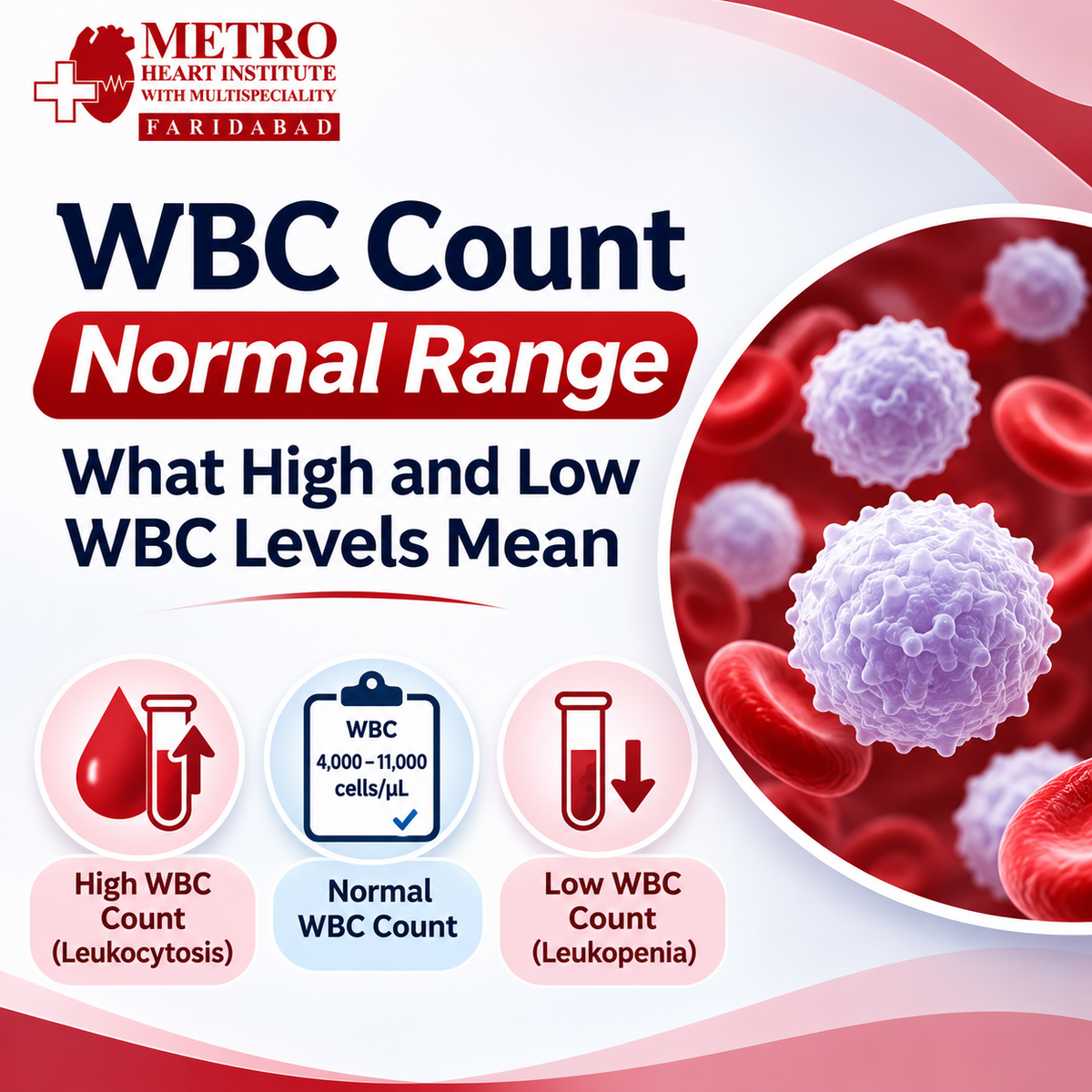
WBC Count Normal Range: What High and Low WBC Levels Mean
Nov 27, 2026
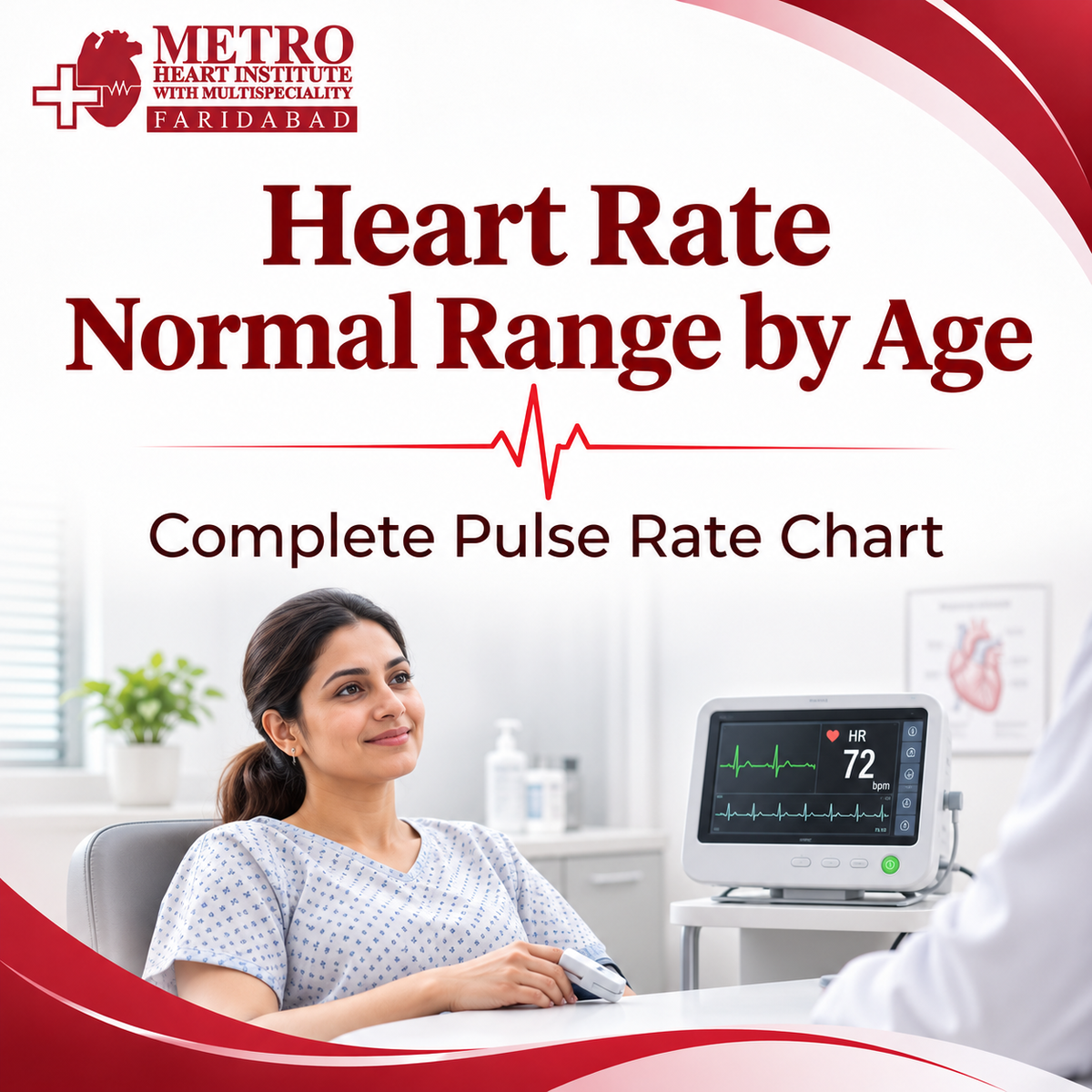
Understanding the heart rate normal range by age is important for monitoring cardiovascular health, physical fitness and overall well-being. Heart rate, also known as pulse rate, refers to the number of times your heart beats in one minute. It is measured in beats per minute (BPM).
For most healthy adults, the normal resting heart rate ranges between 60 and 100 beats per minute (BPM). However, children generally have faster heart rates, while physically active individuals and trained athletes may have resting heart rates between 40 and 60 BPM.
Heart rate can fluctuate throughout the day depending on physical activity, emotional stress, body temperature, sleep, hydration, medication and underlying medical conditions.
A consistently fast, slow or irregular heartbeat may indicate an underlying cardiovascular condition, thyroid disorder, nutritional deficiency or an abnormal heart rhythm.
At Metro Hospital, Faridabad, individuals experiencing abnormal pulse rates, palpitations, dizziness, unexplained fatigue or irregular heartbeats can seek specialist evaluation through the Centre of Excellence for Cardiology and the Cardiac Electrophysiology Department.
This comprehensive guide explains normal heart rates by age, pulse rate charts for men and women, resting and exercise heart rates, causes of abnormal heartbeats, dangerous pulse rates, diagnostic tests, and when to consult a cardiologist.
Heart rate is the number of times the heart contracts within one minute to pump blood throughout the body.
Every heartbeat helps deliver oxygen and essential nutrients to organs, muscles and tissues while supporting the removal of metabolic waste.
The heart’s electrical conduction system controls heart rate. The sinoatrial node, often called the heart’s natural pacemaker, generates electrical signals that regulate the heartbeat.
The autonomic nervous system also influences heart rate based on the body’s needs. For example, the heart generally beats faster during exercise and slower during sleep.
Monitoring heart rate can provide useful information about cardiovascular health, physical fitness and the body’s response to illness or stress.
For most healthy adults, the normal resting heart rate is:
60–100 beats per minute (BPM).
A resting heart rate is measured when a person is awake, calm and not performing physical activity.
| Resting Heart Rate | General Interpretation |
|---|---|
| Below 40 BPM | Very slow; may require prompt medical assessment |
| 40–59 BPM | Slow heart rate; may be normal in trained athletes |
| 60–80 BPM | Common resting heart rate in healthy adults |
| 81–100 BPM | Within the usual adult resting range |
| Above 100 BPM | Fast resting heart rate, known as tachycardia |
| Above 120 BPM | Markedly elevated resting pulse requiring medical assessment |
These values are general guidelines for adults. The significance of an abnormal heart rate depends on symptoms, medical history, medications, physical fitness and heart rhythm.
Normal resting heart rates vary considerably during infancy and childhood. As children grow older, their resting heart rate generally decreases.
| Age Group | Approximate Resting Pulse Rate |
|---|---|
| Newborns (0–1 month) | 70–190 BPM |
| Infants (1–11 months) | 80–160 BPM |
| Children (1–2 years) | 80–130 BPM |
| Children (3–4 years) | 80–120 BPM |
| Children (5–6 years) | 75–115 BPM |
| Children (7–9 years) | 70–110 BPM |
| Children and teenagers (10–17 years) | 60–100 BPM |
| Adults (18–30 years) | 60–100 BPM |
| Adults (31–40 years) | 60–100 BPM |
| Adults (41–50 years) | 60–100 BPM |
| Adults (51–60 years) | 60–100 BPM |
| Adults (61–70 years) | 60–100 BPM |
| Adults above 70 years | 60–100 BPM |
| Well-trained adult athletes | 40–60 BPM |
Important: These are broad resting pulse rate reference values. Paediatric heart rates vary by exact age, sleep, activity, fever, and measurement conditions. An individual reading should not be used independently to diagnose a medical condition.
The normal resting heart rate for most adult men is between 60 and 100 BPM.
Physically active men may have resting pulse rates toward the lower end of this range because regular cardiovascular exercise can improve the heart’s efficiency.
Factors that may influence heart rate in men include physical fitness, smoking, alcohol consumption, stress, body weight, sleep quality, medication and existing cardiovascular conditions.
Men experiencing persistent palpitations, unexplained breathlessness or chest discomfort should undergo cardiovascular assessment rather than relying solely on pulse measurements.
The normal resting heart rate for most adult women is also between 60 and 100 BPM.
Women may have a slightly higher average resting heart rate than men, although the standard clinical reference range remains broadly similar.
Factors that may influence heart rate in women include:
Persistent fast or irregular heartbeats should not automatically be attributed to hormonal changes or anxiety without appropriate medical evaluation.
During pregnancy, the cardiovascular system undergoes several physiological changes to support the growing baby.
A pregnant woman’s resting heart rate may increase by approximately 10–20 BPM above her pre-pregnancy baseline.
Although a modest increase is common, no single heart rate limit defines normality throughout every stage of pregnancy.
Persistent rapid heartbeats accompanied by chest pain, fainting, breathlessness or severe weakness require prompt medical attention.
Possible causes of abnormal heart rate during pregnancy include anaemia, dehydration, thyroid disorders, infection and cardiovascular conditions.
The usual resting pulse rate for adults over 50 remains approximately 60–100 BPM.
Although age does not automatically change the normal adult resting pulse range, increasing age may be associated with changes in the heart’s electrical conduction system, reduced cardiovascular fitness and a higher likelihood of heart rhythm disorders.
People over 50 should pay particular attention to persistent changes in their resting pulse, especially when accompanied by dizziness, palpitations or reduced exercise tolerance.
Regular cardiovascular assessment may also help identify associated risk factors such as high blood pressure, diabetes and abnormal cholesterol.
Older adults generally follow the same resting heart rate reference range of 60–100 BPM.
However, certain medications commonly prescribed to older adults, including beta-blockers, can lower heart rate.
Age-related changes in the heart’s electrical system may also contribute to conditions such as sinus node dysfunction, heart block and atrial fibrillation.
A persistent slow, fast or irregular pulse should not be dismissed as a normal consequence of ageing.
Athletes and people who regularly perform endurance exercises may have lower resting heart rates than less active individuals.
A resting pulse between 40 and 60 BPM can be normal in well-trained athletes who have no concerning symptoms.
Regular exercise can improve the heart’s ability to pump blood with each contraction, allowing it to meet the body’s resting requirements with fewer heartbeats.
However, a low heart rate is not always a sign of good fitness. Individuals experiencing dizziness, fainting, unusual fatigue or reduced exercise capacity should seek medical evaluation.
Heart rate and pulse rate are often used interchangeably, but they are technically different measurements.
| Feature | Heart Rate | Pulse Rate |
|---|---|---|
| Meaning | Number of heartbeats per minute | Number of detectable arterial pulsations per minute |
| Measurement | ECG, cardiac monitor or stethoscope | Wrist, neck, pulse oximeter or wearable device |
| Unit | Beats per minute | Beats per minute |
| Normal adult resting range | 60–100 BPM | Usually 60–100 BPM |
| Effect of arrhythmia | May reflect every heartbeat | Some weak heartbeats may not produce a detectable pulse |
In most healthy individuals, heart rate and pulse rate are approximately the same.
However, certain irregular heart rhythms may cause a difference between the actual number of heartbeats and the number of pulses detected at the wrist. This is sometimes called a pulse deficit.
Your heart rate changes throughout the day based on the body’s oxygen and energy needs.
| Activity or Condition | Expected Heart Rate Response |
|---|---|
| Sitting quietly | Usually within the resting range |
| Sleeping | Often lower than waking resting heart rate |
| Standing up | May temporarily increase |
| Walking | Gradually increases |
| Climbing stairs | Increases according to physical effort |
| Running or exercising | May increase substantially |
| Emotional stress | May temporarily increase |
| Fever | Often increases |
| Recovery after exercise | Gradually decreases |
An elevated heart rate during exercise is generally a normal physiological response. However, a heart rate that remains unusually elevated after adequate rest may require evaluation.
Maximum heart rate refers to the highest heart rate a person may achieve during intense physical activity.
One commonly used formula for estimating maximum heart rate is:
Estimated Maximum Heart Rate = 220 − Age
For example, the estimated maximum heart rate for a 40-year-old adult would be approximately 180 BPM.
This formula provides only a rough estimate. Actual maximum heart rate can vary considerably between individuals, and the calculated number should not be treated as a required exercise target or an absolute safety limit.
For many healthy adults, moderate-intensity physical activity corresponds to about 50–70% of estimated maximum heart rate, while vigorous activity may correspond to about 70–85%.
| Age | Estimated Maximum Heart Rate | Moderate Exercise | Vigorous Exercise |
|---|---|---|---|
| 20 years | 200 BPM | 100–140 BPM | 140–170 BPM |
| 25 years | 195 BPM | 98–137 BPM | 137–166 BPM |
| 30 years | 190 BPM | 95–133 BPM | 133–162 BPM |
| 35 years | 185 BPM | 93–130 BPM | 130–157 BPM |
| 40 years | 180 BPM | 90–126 BPM | 126–153 BPM |
| 45 years | 175 BPM | 88–123 BPM | 123–149 BPM |
| 50 years | 170 BPM | 85–119 BPM | 119–145 BPM |
| 55 years | 165 BPM | 83–116 BPM | 116–140 BPM |
| 60 years | 160 BPM | 80–112 BPM | 112–136 BPM |
| 65 years | 155 BPM | 78–109 BPM | 109–132 BPM |
| 70 years | 150 BPM | 75–105 BPM | 105–128 BPM |
| 75 years | 145 BPM | 73–102 BPM | 102–123 BPM |
| 80 years | 140 BPM | 70–98 BPM | 98–119 BPM |
These exercise targets are approximate and intended for generally healthy adults.
People with heart disease, recent cardiac surgery, uncontrolled hypertension, arrhythmias or medications affecting heart rate should consult a cardiologist before following age-based exercise targets.
Checking your resting pulse rate is a simple way to monitor your heart rate.
Sit comfortably for at least five minutes before measuring your pulse. Avoid measuring immediately after exercise, smoking or consuming caffeine if you want to determine your true resting heart rate.
Place your index and middle fingers gently on the inside of your wrist, just below the base of your thumb.
This is known as the radial pulse.
Count the number of beats for 60 seconds.
If your pulse is regular, count for 30 seconds and multiply the result by two for an approximate reading.
If your pulse feels irregular, count for a full minute.
Notice whether the pulse feels regular, irregular, unusually fast or unusually slow.
Record your pulse rate, time of measurement and any associated symptoms.
Repeated measurements under similar conditions are generally more informative than a single reading.
Yes. A pulse oximeter generally displays two measurements:
The device estimates pulse rate by detecting changes in blood flow through the finger.
However, cold hands, movement, poor circulation and certain irregular heart rhythms may affect measurement accuracy.
A normal pulse oximeter reading does not rule out heart rhythm disorders or other cardiovascular conditions.
Smartwatches and fitness trackers can be useful for monitoring heart rate trends during daily activities, exercise and sleep.
Some devices may also provide alerts for unusually high or low heart rates and possible irregular rhythms.
However, wearable devices may occasionally produce inaccurate readings because of movement, poor sensor contact or other technical factors.
Smartwatch alerts should prompt further assessment when persistent or accompanied by symptoms. They should not be treated as a confirmed medical diagnosis.
A resting heart rate above 100 BPM in an adult is generally known as tachycardia.
Tachycardia may be a normal temporary response to exercise, stress or fever. However, persistent tachycardia at rest may indicate an underlying medical condition or abnormal heart rhythm.
The importance of a high heart rate depends on its cause, duration, rhythm and associated symptoms.
The heart beats faster during exercise to deliver more oxygen to muscles and other tissues.
Heart rate should generally decrease during recovery.
Stress activates the body’s fight-or-flight response, increasing adrenaline levels and temporarily raising heart rate.
Persistent palpitations should not automatically be attributed to anxiety without medical evaluation.
Heart rate may increase when body temperature rises or when the immune system responds to an infection.
A very fast pulse accompanied by confusion, breathing difficulty or severe weakness may indicate a serious infection.
Dehydration can reduce circulating blood volume, causing the heart to beat faster to maintain blood flow.
Hot weather, vomiting, diarrhoea and inadequate fluid intake can contribute to dehydration.
Low haemoglobin reduces the blood’s oxygen-carrying capacity. The heart may compensate by increasing its pumping rate.
People experiencing fatigue, pale skin, dizziness, and a rapid heartbeat may need blood tests to check for anaemia and nutritional deficiencies.
An overactive thyroid gland can increase metabolic activity and cause persistent tachycardia, sweating, tremors and unexplained weight loss.
Thyroid function testing may help identify this condition.
Large amounts of caffeine, energy drinks and certain stimulants may trigger palpitations or temporarily increase heart rate in susceptible individuals.
Nicotine stimulates the nervous system and may increase heart rate and blood pressure.
Long-term tobacco use also increases cardiovascular disease risk.
Some asthma medicines, decongestants, stimulants and other medications may increase heart rate.
Discuss medication-related symptoms with a healthcare professional.
Conditions such as supraventricular tachycardia, atrial fibrillation, atrial flutter and ventricular tachycardia may cause an abnormally fast heartbeat.
Specialised evaluation is available through the Cardiac Electrophysiology Department at Metro Hospital, Faridabad.
Certain cardiovascular conditions may cause the heart to beat faster as it attempts to maintain adequate circulation.
Persistent tachycardia accompanied by swelling, fatigue or breathlessness requires cardiac evaluation.
Respiratory diseases and other conditions that reduce blood oxygen levels may cause a compensatory increase in heart rate.
The underlying respiratory or cardiovascular problem needs to be identified and treated.
A fast heartbeat may be accompanied by:
Some individuals with tachycardia may not experience noticeable symptoms.
Persistent or recurrent episodes should be evaluated by a doctor, particularly when they occur without an obvious trigger.
A resting heart rate of 100 BPM is at the upper limit of the commonly used adult reference range.
It may occur temporarily because of stress, recent physical activity, caffeine consumption, dehydration or fever.
However, a resting pulse consistently close to or above 100 BPM deserves medical assessment, especially when accompanied by palpitations or other symptoms.
A resting heart rate of 110 BPM is above the usual adult resting range.
Although it does not automatically indicate a medical emergency, its cause should be identified if it persists.
Fever, dehydration, anxiety, anaemia and thyroid disorders are possible explanations.
A persistent resting heart rate of 120 BPM is significantly elevated for most adults.
Medical evaluation is recommended to determine whether it is caused by a temporary physiological response, an underlying illness or an abnormal heart rhythm.
If accompanied by chest pain, fainting or severe breathing difficulty, seek emergency medical care.
A heart rate of 150 BPM may be expected during vigorous exercise in some healthy adults.
However, a heart rate of 150 BPM while sitting quietly or resting is abnormal for most adults and requires urgent medical assessment.
Sudden episodes of rapid heartbeat may occur with certain arrhythmias, including supraventricular tachycardia.
The clinical significance depends on the rhythm, symptoms and underlying cardiovascular health.
A resting heart rate below 60 BPM in an adult is generally known as bradycardia.
Bradycardia can be normal during sleep or in physically fit individuals.
However, a slow heart rate may become concerning when the heart cannot pump enough blood to meet the body’s needs.
Trained athletes often have naturally lower resting pulse rates because of improved cardiovascular efficiency.
Heart rate normally decreases during sleep as the body’s metabolic requirements decline.
An underactive thyroid gland can slow several bodily processes, including heart rate.
Associated symptoms may include weight gain, fatigue, constipation and increased sensitivity to cold.
Beta-blockers, certain calcium channel blockers and other cardiac medications may lower heart rate.
Patients should never discontinue these medicines independently because of a slow pulse.
The heart’s natural pacemaker may fail to generate electrical signals at an appropriate rate.
This condition can cause persistent or intermittent bradycardia.
Heart block occurs when electrical signals travelling through the heart are delayed or interrupted.
Certain forms of heart block can cause a dangerously slow heartbeat and may require pacemaker implantation.
Abnormal levels of potassium and other electrolytes can interfere with the heart’s electrical conduction system.
Ageing may affect the specialised tissues that control heart rhythm.
Persistent symptomatic bradycardia in older adults requires appropriate cardiac assessment.
A slow heart rate may cause:
Some people with bradycardia may have no symptoms, particularly trained athletes.
A resting heart rate of 50 BPM may be normal in physically active individuals or people taking certain heart medications.
However, if your pulse has recently slowed or is associated with dizziness, weakness, or fainting, medical evaluation is important.
A resting heart rate below 40 BPM is unusually low for most awake adults.
Although it can occasionally occur in highly trained athletes, it should be assessed promptly, particularly if it is new or persistent.
When accompanied by fainting, severe weakness, chest pain, confusion or breathing difficulty, immediate emergency medical attention is necessary.
| Feature | High Heart Rate | Low Heart Rate |
|---|---|---|
| Medical term | Tachycardia | Bradycardia |
| Common adult resting threshold | Above 100 BPM | Below 60 BPM |
| Possible normal causes | Exercise, temporary stress | Sleep, athletic fitness |
| Medical causes | Infection, anaemia, thyroid disorders, arrhythmias | Heart block, thyroid disorders, medication effects |
| Common associated symptoms | Palpitations, sweating, breathlessness | Fatigue, dizziness, fainting |
| Treatment | Depends on the underlying cause | Depends on symptoms and underlying cause |
Neither a fast nor a slow heart rate automatically confirms heart disease.
Clinical assessment is necessary to distinguish normal physiological variations from abnormal heart rhythms.
An irregular heartbeat occurs when the heart does not beat in its usual consistent pattern.
This may feel like:
The medical term for an abnormal heart rhythm is arrhythmia.
Some arrhythmias are relatively harmless, while others may increase the risk of stroke, heart failure or sudden cardiac arrest.
You can learn more about different rhythm disorders in Metro Hospital’s guide to Cardiac Arrhythmia: Types, Causes and Treatments.
Heart rate and blood pressure are two important cardiovascular measurements, but they reflect different functions.
| Feature | Heart Rate | Blood Pressure |
|---|---|---|
| Meaning | Number of heartbeats per minute | Pressure exerted by blood against artery walls |
| Measurement unit | BPM | mmHg |
| Common healthy adult resting value | 60–100 BPM | Below 120/80 mmHg |
| Main purpose | Assess heart rate and rhythm | Assess arterial blood pressure |
A person may have normal blood pressure with an abnormal heart rate or an abnormal blood pressure reading with a normal pulse.
Both measurements provide useful information about cardiovascular health.
Read Metro Hospital’s detailed guide on Normal Blood Pressure by Age: Complete BP Chart for Men and Women to understand blood pressure readings and cardiovascular risk factors.
Doctors may recommend several investigations depending on the symptoms, medical history and suspected cause.
An ECG records the heart’s electrical activity.
It can help identify rapid heart rhythms, slow heart rhythms, conduction abnormalities and certain other cardiac conditions.
A Holter monitor is a portable device that continuously records the heart’s electrical activity, often for 24–48 hours or longer depending on the device.
It is particularly useful when palpitations or irregular heartbeats occur intermittently and may not be detected during a routine ECG.
Longer-term event monitoring may be recommended when symptoms occur infrequently.
It helps doctors assess the heart’s electrical rhythm during symptomatic episodes.
An echocardiogram uses ultrasound to examine the heart’s structure, valves and pumping function.
It may help identify structural heart conditions associated with abnormal heart rhythms.
A treadmill test evaluates the heart’s response to controlled physical activity.
It may be recommended for selected patients to assess exercise tolerance, heart rate response or possible underlying cardiovascular disease.
Blood investigations may help identify contributing factors such as:
An electrophysiology study is a specialised investigation used to evaluate the heart’s electrical conduction system.
It can help identify the origin and mechanism of certain abnormal heart rhythms.
Patients requiring advanced rhythm assessment can consult Metro Hospital’s Electrophysiology Study Specialist Services.
Treatment depends on the type of heart rhythm abnormality, its underlying cause, associated symptoms and the patient’s overall cardiovascular health.
Certain medications may help control heart rate, regulate heart rhythm or treat underlying medical conditions.
Treatment should be prescribed according to the specific diagnosis.
Radiofrequency ablation is a minimally invasive catheter-based procedure used to treat selected abnormal heart rhythms.
It targets small areas of heart tissue responsible for abnormal electrical signals.
Metro Hospital provides radiofrequency ablation and advanced 3D electrophysiology procedures for appropriate patients with arrhythmias.
A pacemaker is a small implanted device that delivers electrical impulses to help regulate the heartbeat.
It may be recommended for selected patients with symptomatic bradycardia, significant heart block or other electrical conduction disorders.
Learn more about Pacemaker Implantation at Metro Hospital, Faridabad.
An ICD is an implanted device designed to detect and treat certain dangerous ventricular heart rhythms.
It may be recommended for selected individuals at increased risk of sudden cardiac arrest.
Not every patient with an abnormal pulse requires an invasive procedure or implanted device.
Healthy lifestyle habits can support cardiovascular function and help maintain an appropriate resting heart rate.
Regular physical activity can improve cardiovascular fitness and heart efficiency.
Many adults can aim for at least 150 minutes of moderate-intensity aerobic activity per week, provided their health condition allows it.
Drink enough fluids based on your activity level, weather conditions, and individual medical needs.
Patients with heart failure or kidney disease should follow their prescribed fluid recommendations.
Reduce excessive consumption of coffee, energy drinks and other stimulants if they trigger palpitations or a rapid heartbeat.
Gradual weight management, when appropriate, can reduce cardiovascular strain and improve overall metabolic health.
Most adults benefit from approximately seven to nine hours of quality sleep each night.
Persistent snoring, interrupted breathing during sleep or excessive daytime sleepiness may require assessment for sleep apnoea.
Regular physical activity, relaxation exercises, meditation and healthy daily routines may help reduce stress-related heart rate fluctuations.
Stopping tobacco use can reduce cardiovascular risk and improve long-term heart health.
Include vegetables, fruits, whole grains, pulses, nuts and suitable protein sources in your diet.
Limit excessive salt, added sugar and highly processed foods.
Appropriate management of diabetes, hypertension, anaemia, thyroid disorders and respiratory conditions may help address associated heart rate abnormalities.
Routine cardiovascular assessment can help identify risk factors and rhythm abnormalities before they cause significant complications.
Consider consulting a cardiologist if you experience:
People with a history of heart disease, hypertension, diabetes or previous cardiac procedures may require more personalised monitoring.
Read Metro Hospital’s guide on Warning Signs of Heart Disease You Should Never Ignore to understand other important cardiovascular symptoms.
Seek immediate medical attention if a fast, slow or irregular heartbeat is accompanied by:
A persistent, extremely fast or slow resting heart rate should also receive urgent medical assessment.
These symptoms may indicate a serious arrhythmia, heart attack, stroke or another potentially life-threatening condition.
For emergency medical assistance at Metro Hospital, Faridabad, call +91 971 191 4000.
Metro Heart Institute with Multispeciality, Faridabad provides comprehensive cardiovascular evaluation and treatment for patients experiencing heart rate abnormalities, palpitations, irregular heartbeats and other cardiac conditions.
The Centre of Excellence for Cardiology provides cardiac assessment, diagnostic investigations and advanced cardiovascular treatment.
Patients may benefit from investigations such as ECG, echocardiography, Holter monitoring, exercise testing and specialised cardiac evaluation, depending on their clinical requirements.
The Cardiac Electrophysiology Department specialises in evaluating and treating disorders involving the heart’s electrical conduction system.
Its services include:
Treatment is personalised based on the type of arrhythmia, associated symptoms, and overall cardiovascular condition.
Dr. Niti Chadha Negi is Head, Cardiac Electrophysiology Unit, and Senior Consultant, Cardiology at Metro Hospital, Faridabad.
Her area of specialisation includes the diagnosis and management of heart rhythm disorders and cardiac electrical conduction abnormalities.
Patients experiencing recurrent palpitations, unexplained fainting, persistent tachycardia, bradycardia or irregular heartbeats can seek specialist electrophysiology evaluation.
The dedicated electrophysiology programme at Metro Hospital supports advanced rhythm assessment, catheter ablation and cardiac device implantation for clinically appropriate patients.
False. Although physically fit individuals may have lower resting heart rates, certain electrical conduction disorders and medications can also cause bradycardia.
False. Exercise, fever, stress, dehydration and other temporary factors may increase heart rate.
False. Cardiovascular conditions may exist even when resting heart rate is within the normal range.
False. Heart rate measures the number of heartbeats, while blood pressure measures the pressure exerted against artery walls.
False. Treatment depends on the type of arrhythmia and its underlying cause. Many rhythm disorders do not require pacemaker implantation.
False. Wearable devices provide useful monitoring information but cannot replace professional cardiovascular assessment.
The normal resting heart rate for most healthy adults is approximately 60–100 beats per minute.
The commonly used resting pulse rate range for adult women is 60–100 BPM, although individual values may vary.
Most healthy adult men have a resting heart rate between 60 and 100 BPM. Physically fit individuals may have lower resting pulse rates.
A resting heart rate between 60 and 100 BPM is generally considered normal for a 60-year-old adult. Medications, fitness levels and underlying health conditions may influence individual readings.
Yes. A resting heart rate of 72 BPM is within the commonly used normal adult reference range.
A resting pulse rate of 90 BPM is generally within the normal adult range. Persistent changes from your usual heart rate may warrant evaluation if symptoms are present.
A heart rate of 110 BPM may occur during activity, stress or illness. However, it is above the usual adult resting range and should be evaluated if persistent.
There is no universal threshold for a dangerously high heart rate. A persistent resting heart rate of 120–150 BPM or higher requires prompt assessment, especially when accompanied by concerning symptoms.
Not necessarily. It may be normal in athletes or people taking certain medications. Dizziness, fainting, breathlessness or severe weakness accompanying a slow pulse requires medical evaluation.
Heart rate often falls below the waking resting rate during sleep. The exact range depends on age, fitness, medications and overall health.
Yes. Anxiety can temporarily increase heart rate through activation of the body’s stress response. However, persistent palpitations should not automatically be attributed to anxiety.
Yes. Dehydration can reduce circulating blood volume, causing the heart to beat faster to maintain adequate circulation.
Yes. Anaemia may cause the heart to beat faster to compensate for reduced oxygen-carrying capacity.
An ECG is often an initial investigation. Holter monitoring, event monitoring or an electrophysiology study may be recommended depending on symptoms and clinical findings.
Patients with fast, slow or irregular heartbeats can seek evaluation through the Cardiology Department and Cardiac Electrophysiology Department at Metro Hospital, Faridabad.
Understanding the heart rate normal range by age can help individuals monitor cardiovascular health and recognise potential warning signs of heart rhythm disorders.
For most healthy adults, a normal resting heart rate ranges between 60 and 100 BPM, while children generally have higher pulse rates and trained athletes may have lower resting heart rates.
A fast heart rate may develop because of physical activity, fever, dehydration, anxiety, anaemia, thyroid disorders or arrhythmias. A slow heart rate may occur during sleep, in physically fit individuals or because of medications and abnormalities in the heart’s electrical conduction system.
Persistent palpitations, irregular heartbeats, dizziness, unexplained breathlessness and fainting should never be ignored.
Regular physical activity, balanced nutrition, adequate sleep, healthy weight management and appropriate medical care can help support long-term cardiovascular health.
At Metro Hospital, Faridabad, patients experiencing abnormal heart rates can access comprehensive cardiac diagnostics, advanced electrophysiology services, radiofrequency ablation, pacemaker implantation and personalised cardiovascular treatment.
Your pulse rate is more than just a number. Monitoring changes in your heartbeat and seeking timely medical evaluation can help identify underlying cardiovascular problems and protect your heart health.
Medical Disclaimer: This article is intended for general health education only. Heart rate reference ranges and exercise targets may vary by age, physical fitness, medication, and individual medical conditions. Age-based maximum heart rate calculations are estimates, not personalised exercise prescriptions. Seek immediate medical attention for abnormal heartbeats accompanied by chest pain, fainting, severe breathlessness or confusion.