Appointment
 Find A Doctor
 Lab Report

Vitamin D-Rich Vegetarian Foods to Support Bone Health and Immunity
Oct 10, 2026
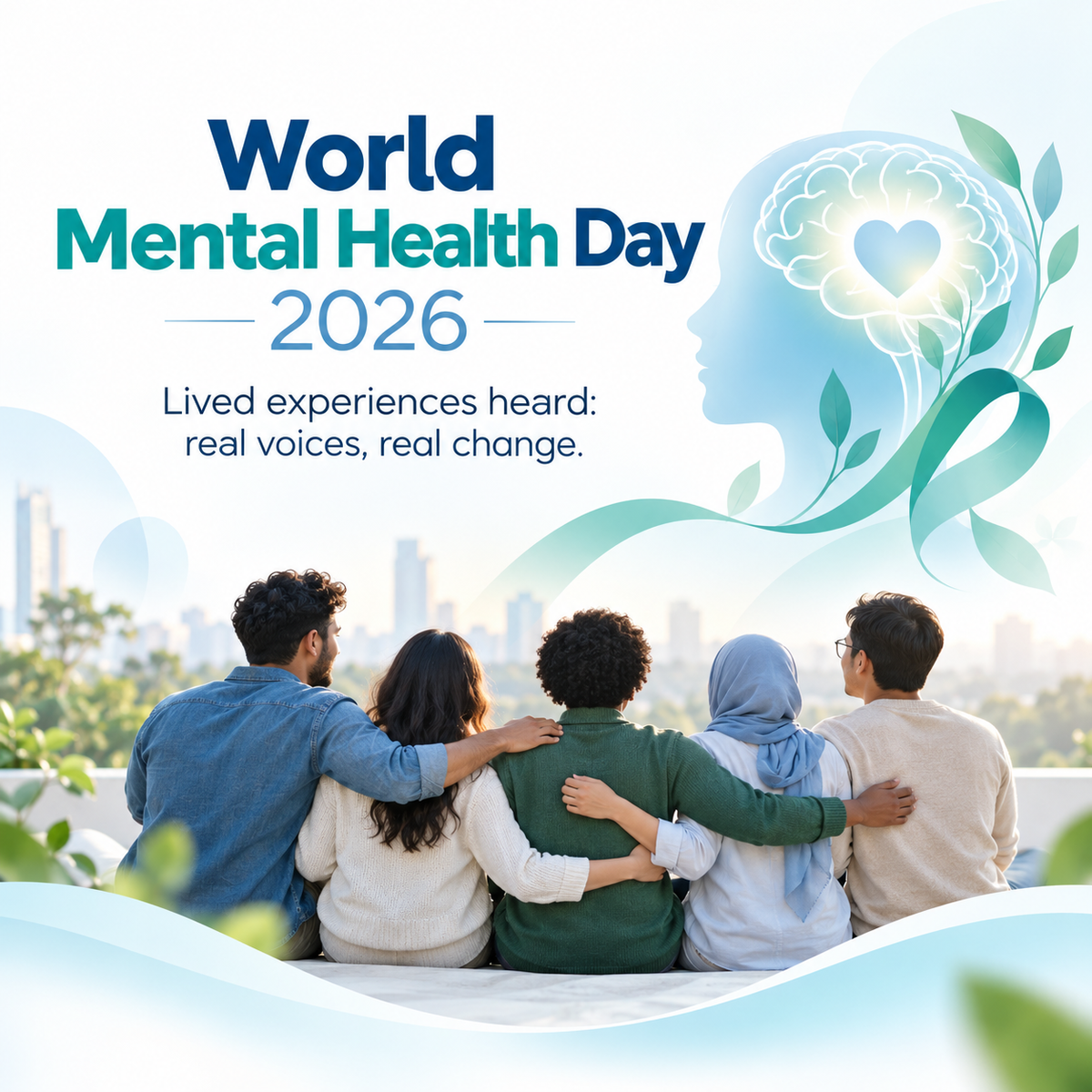
Mental health influences the way we think, feel, work, communicate, build relationships and respond to everyday challenges. Yet emotional and psychological difficulties are often ignored until they begin to significantly affect a person’s daily life.
World Mental Health Day 2026 provides an important opportunity to change this approach.
Observed globally on 10 October every year, World Mental Health Day encourages individuals, families, healthcare professionals, workplaces and communities to talk openly about mental health, reduce stigma and improve access to appropriate care.
The World Mental Health Day 2026 theme is “Lived experiences heard: real voices, real change.”
This year’s theme highlights an important message: people who have personally experienced mental health conditions should not only be asked to share their stories—they should also have a meaningful role in shaping the care, services and decisions that affect them.
Mental health care becomes more compassionate and person-centred when people are heard with respect and involved in their own treatment decisions.
At Metro Hospital, Faridabad, people experiencing depression, anxiety, sleep problems, bipolar disorder, OCD, psychosis, substance-use problems or other mental health concerns can seek psychiatric evaluation and personalised treatment.
This detailed guide explains the World Mental Health Day 2026 theme, why mental health awareness matters, common mental health conditions, warning signs, ways to support emotional well-being and when professional help may be needed.
World Mental Health Day 2026 is observed on 10 October 2026.
World Mental Health Day is observed annually on 10 October to raise awareness about mental health issues and encourage greater efforts toward mental health care.
It also provides an opportunity to:
The official theme for World Mental Health Day 2026 is:
“Lived experiences heard: real voices, real change.”
The theme recognises that people who have lived through depression, anxiety, bipolar disorder, psychosis, addiction or other mental health challenges possess valuable knowledge about what it is like to seek care, recover, face stigma and navigate everyday life.
Their experiences can help healthcare systems understand:
The theme therefore moves beyond the idea of simply “raising awareness.”
It calls for meaningful participation.
Listening is important, but real change happens when lived experience influences how mental health care is designed and delivered.
Lived experience refers to knowledge gained through personally experiencing a mental health condition, emotional crisis or mental healthcare system.
For example, a person who has personally experienced severe anxiety understands certain challenges differently from someone who has only studied anxiety academically.
Similarly, someone who has recovered from depression may understand:
This does not replace professional psychiatric expertise.
Instead, lived experience and clinical knowledge can complement each other.
Mental healthcare can become stronger when patients, caregivers and professionals work collaboratively.
Mental health is an essential part of overall health.
A person can appear physically healthy while struggling significantly with:
Mental health conditions can affect:
World Mental Health Day reminds us that mental health difficulties should not be treated as weakness, lack of willpower or a personal failure.
They are health concerns that deserve appropriate assessment and care.
Mental health refers to emotional, psychological and social well-being.
Good mental health does not mean being happy all the time.
Everyone experiences:
These emotions are normal parts of life.
A mental health concern becomes more significant when symptoms:
The distinction between normal emotional ups and downs and a mental health disorder depends on intensity, duration and impact on daily functioning.
Mental health conditions are diverse, and symptoms vary from person to person.
Depression is more than temporary sadness.
It can affect:
Common symptoms may include:
Persistent symptoms should be evaluated by a mental health professional.
Feeling anxious occasionally is normal.
An anxiety disorder involves excessive fear or worry that becomes difficult to control.
Symptoms may include:
Different anxiety disorders include:
A panic attack is a sudden episode of intense fear that may occur even when there is no immediate danger.
Symptoms can include:
Because panic symptoms can resemble certain physical emergencies, new or severe symptoms should be medically assessed.
OCD involves unwanted repetitive thoughts, known as obsessions, and repetitive behaviours or mental rituals known as compulsions.
For example, someone may repeatedly:
These behaviours may temporarily reduce anxiety but can significantly interfere with daily life.
Bipolar disorder involves significant changes in mood and energy.
A person may experience episodes of:
During manic episodes, symptoms may include:
Professional evaluation is essential because bipolar disorder requires a different treatment approach from ordinary mood fluctuations.
Psychosis can affect how a person perceives reality.
Symptoms may include:
These symptoms require prompt psychiatric assessment.
Early treatment can be important for long-term functioning and recovery.
Addiction can involve alcohol, prescription medicines or recreational drugs.
Signs can include:
Addiction is a healthcare issue and may require psychiatric, psychological and medical support.
Sleep and mental health are closely connected.
Mental health conditions may cause:
At the same time, chronic sleep deprivation can worsen mood, concentration and emotional regulation.
Persistent sleep problems should therefore not always be dismissed as lifestyle issues.
Mental health difficulties are not always obvious.
Possible warning signs include:
One symptom alone does not necessarily indicate a psychiatric disorder.
However, a combination of persistent symptoms affecting daily life should be evaluated.
Mental and physical health are closely connected.
Long-term psychological stress can influence:
Similarly, chronic physical diseases can affect emotional well-being.
People living with conditions such as:
may experience anxiety, depression or adjustment difficulties.
This is why mental healthcare should be integrated into overall healthcare rather than treated as something completely separate.
One of the strongest messages of World Mental Health Day 2026 is that people with lived experience should have a voice.
Listening to patients can improve care because recovery is not identical for everyone.
Two people with the same diagnosis may have very different:
Mental health care therefore needs to be personalised.
A person-centred approach considers not only symptoms but also what the individual values and what they want to achieve.
Family support can make a meaningful difference.
Avoid immediately telling someone:
Instead, allow the person to explain what they are experiencing.
If symptoms are persistent or significantly affecting daily life, encourage consultation with a psychiatrist or psychologist.
Mental health conditions are not caused by laziness or weakness.
Blaming the person may increase shame and discourage them from seeking help.
Psychiatric treatment may include:
Do not encourage someone to stop medication suddenly because they appear better.
Treatment decisions should be discussed with the treating psychiatrist.
The workplace has a significant influence on emotional well-being.
Common workplace stressors may include:
Organisations can support mental health by promoting:
Employees should also feel able to seek help without fear of stigma.
Students and young adults can face pressures related to:
Signs that additional support may be needed include:
Early conversations with parents, teachers, counsellors or mental health professionals can be helpful.
Social media can help people stay connected, but excessive or unhealthy use may contribute to:
Helpful strategies include:
The goal is not necessarily to avoid social media completely but to use it intentionally.
Lifestyle measures cannot replace treatment for serious psychiatric conditions, but they can support overall mental health.
Aim for a consistent sleep schedule.
Good sleep supports:
Regular physical activity may support mood and reduce stress.
Choose activities you can maintain consistently, such as:
Skipping meals or relying heavily on highly processed foods can affect energy and concentration.
Regular contact with trusted friends and family can provide emotional support.
Alcohol or drugs may appear to provide temporary relief but can worsen several mental health conditions.
Constantly expecting perfect performance can increase stress.
Breaking large tasks into smaller steps can make them more manageable.
Consider psychiatric consultation if you experience:
A psychiatrist is a medical doctor trained in diagnosing and treating mental health conditions.
Treatment can include medication, psychotherapy recommendations, lifestyle interventions and follow-up monitoring.
Patients looking for specialist mental health support can consult Dr. Viddur Arya – Psychiatrist in Faridabad at Metro Hospital, Faridabad.
Dr. Viddur Arya is a Consultant – Psychiatry whose listed areas of expertise include depression, anxiety, bipolar disorder, psychosis, OCD, sleep disorders, psychosexual disorders and drug addiction.
Many people delay visiting a psychiatrist because they do not know what to expect.
A typical first consultation may involve discussion about:
The psychiatrist may then discuss whether:
are appropriate.
There is no single treatment plan for every patient.
Some situations require immediate professional help.
Seek emergency support if someone:
Do not leave a person alone if there is an immediate risk of self-harm.
Seek urgent professional or emergency assistance.
Metro Hospital, Faridabad provides 24×7 emergency services for medical emergencies.
Stigma remains one of the biggest barriers to care.
People may avoid seeking treatment because they fear:
This can allow symptoms to become more severe before help is sought.
We would not normally expect someone to hide diabetes, asthma or hypertension because they are afraid of being judged.
Mental health conditions deserve the same medical seriousness.
World Mental Health Day helps challenge this stigma by creating open conversations.
Mental health treatment should be personalised according to the individual’s symptoms, medical history and circumstances.
Metro Hospital, Faridabad provides psychiatric care for people experiencing a range of mental and behavioural health conditions.
Patients looking for a Psychiatrist in Faridabad can seek evaluation for conditions including:
Psychiatric care may include:
Patients can also consult Dr. Viddur Arya, Consultant – Psychiatry at Metro Hospital, Faridabad.
His current profile lists expertise in:
A patient-focused approach is particularly important in mental healthcare because treatment needs, recovery goals and individual experiences differ from one person to another.
World Mental Health Day 2026 is observed on 10 October 2026.
The official World Mental Health Day 2026 theme is “Lived experiences heard: real voices, real change.”
The day aims to raise awareness about mental health, reduce stigma, encourage conversations and mobilise support for better mental healthcare.
Lived experience refers to the knowledge and understanding a person develops through personally experiencing mental health challenges or mental healthcare.
Persistent sadness, excessive worry, sleep disturbances, social withdrawal, irritability, loss of interest, panic attacks and changes in behaviour may indicate that support is needed.
Consider psychiatric consultation when emotional or behavioural symptoms persist, cause significant distress or begin interfering with work, studies, sleep or relationships.
Yes. Many mental health conditions can be effectively managed with appropriate combinations of medication, therapy, lifestyle measures and ongoing support.
No. Psychiatric medicines are medical treatments used for certain conditions in the same way medicines are used for physical illnesses.
Yes. Chronic stress may contribute to headaches, muscle tension, digestive symptoms, poor sleep, fatigue and changes in heart rate.
Patients can consult Dr. Viddur Arya, Consultant – Psychiatry at Metro Hospital, Faridabad, whose listed expertise includes depression, anxiety, OCD, bipolar disorder, psychosis and related mental health conditions.
World Mental Health Day 2026 reminds us that mental healthcare should not only be about identifying disorders—it should also be about listening to people.
The theme “Lived experiences heard: real voices, real change” highlights the importance of treating people with mental health conditions as active participants in their own care rather than passive recipients of treatment.
Mental health concerns can affect anyone.
Depression, anxiety, OCD, bipolar disorder, addiction, sleep disturbances and other psychiatric conditions should not be dismissed as weakness or lack of willpower.
Early recognition and appropriate treatment can improve quality of life, relationships, work performance and overall well-being.
Families and communities also have an important role to play by:
If you or someone close to you is experiencing persistent emotional, behavioural or psychological difficulties, seeking professional support can be an important first step.
At Metro Hospital, Faridabad, patients can access psychiatric evaluation and personalised mental healthcare. For specialist consultation, patients can connect with Dr. Viddur Arya – Consultant Psychiatrist.
This World Mental Health Day, the message is clear:
Listen to real experiences. Respect every voice. Turn understanding into meaningful change.
Disclaimer: This blog is intended for general health awareness and educational purposes only and should not replace professional diagnosis or treatment. If someone is at immediate risk of self-harm or harm to others, seek emergency professional assistance immediately.