 Appointment
 Find A Doctor
 Lab Report
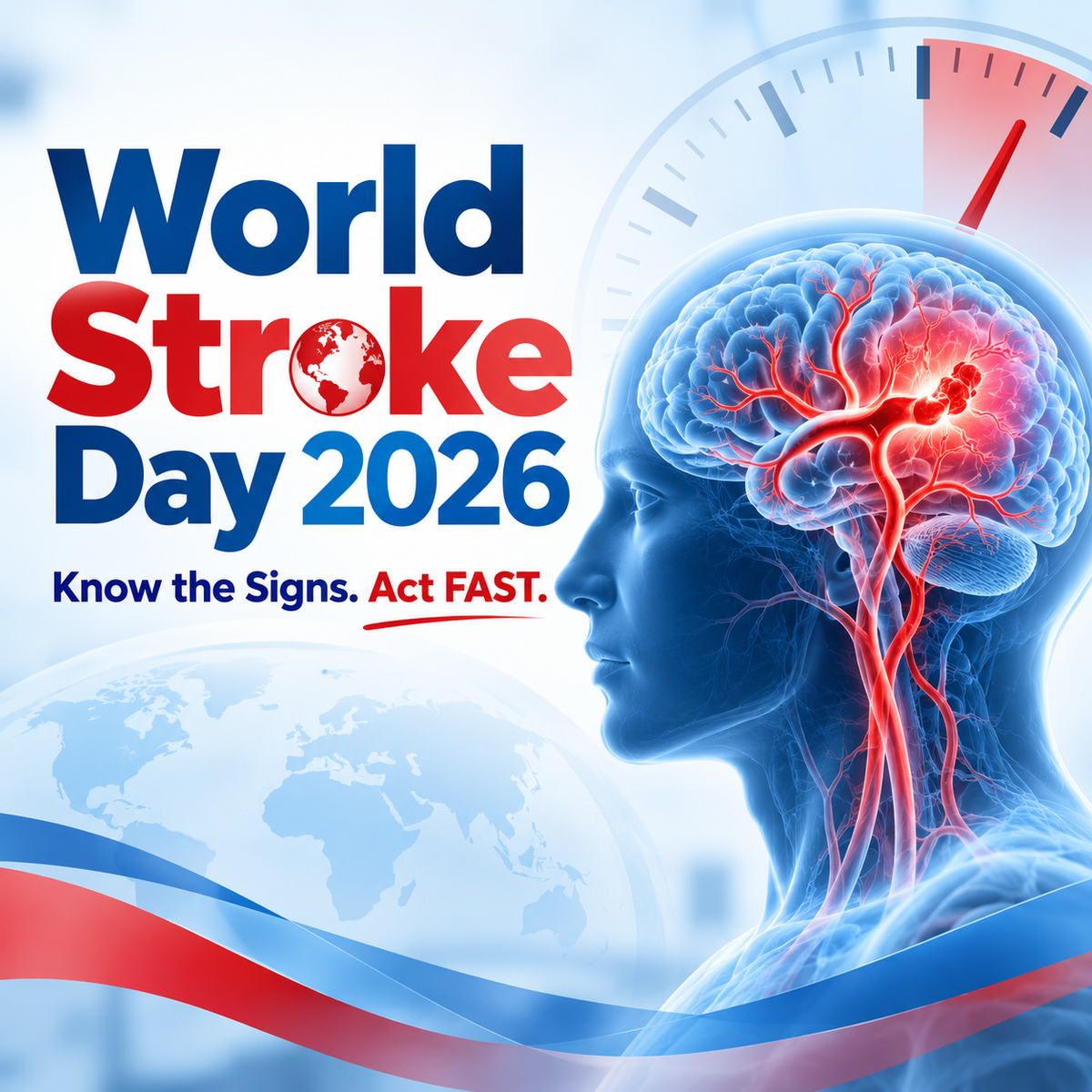
World Stroke Day 2026: Theme, Symptoms, FAST Warning Signs, Prevention and Treatment
Oct 21, 2026
Presented by Metro Hospital, Faridabad
Brain tumors, though relatively rare compared to other health conditions, are among the most serious and life-altering medical challenges. At Metro Hospital, Faridabad, we recognize the critical importance of awareness, early detection, and expert care in saving lives and improving outcomes.
This article is dedicated to educating the public about brain tumors, sharing vital statistics, and emphasizing the significance of timely intervention.
What is a Brain Tumor?
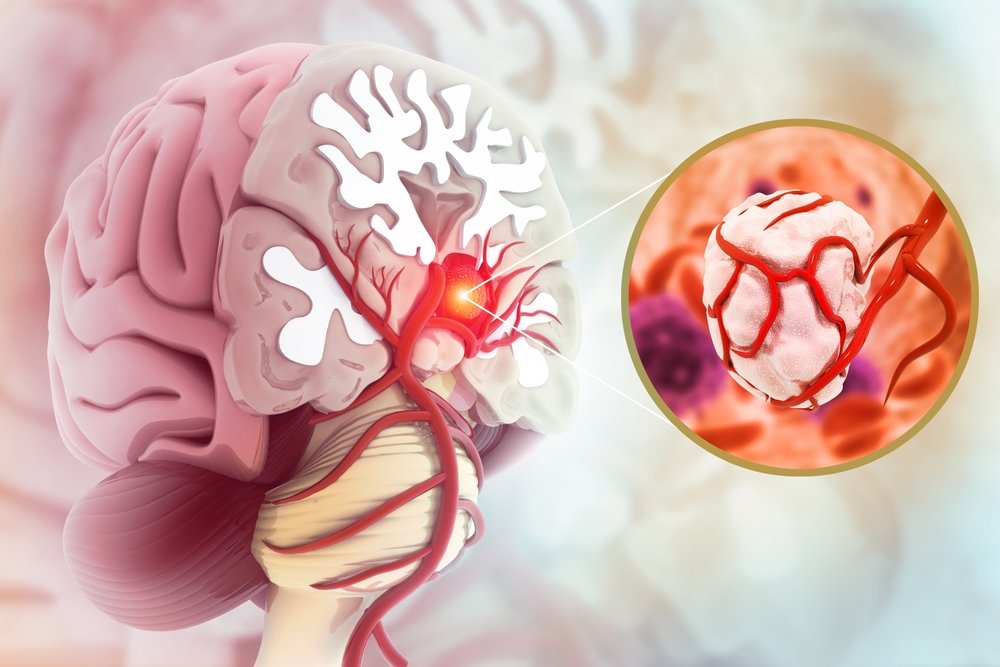
A brain tumor is an abnormal growth of cells in or around the brain. These tumors can be primary, meaning they originate in the brain, or secondary, meaning they spread from another part of the body (metastatic tumors).
Tumors are further classified as:
Even benign tumors can cause serious health problems if they exert pressure on sensitive areas of the brain. Hence, timely diagnosis and treatment are vital.
How Common Are Brain Tumors?
In India:
Globally:
Symptoms You Should Never Ignore
Brain tumor symptoms vary depending on the size, type, and location of the tumor. However, some common warning signs include:
It is essential not to dismiss these symptoms, especially if they persist or worsen over time. Consulting a neurologist at the earliest can lead to timely diagnosis and better outcomes.
What Causes Brain Tumors?
The exact cause of most brain tumors remains unknown. However, risk factors may include:
While lifestyle choices may not directly cause brain tumors, maintaining good health and undergoing regular medical checkups can help in early detection.
Brain Tumor Diagnosis at Metro Hospital, Faridabad
At Metro Hospital, we utilize the latest imaging and diagnostic technologies to ensure early and accurate diagnosis:
Once diagnosed, our team provides a personalized treatment plan tailored to the patient’s condition and medical history.
Our Comprehensive Treatment Approach
Metro Hospital is equipped with advanced facilities and a multidisciplinary team to treat brain tumors effectively. Our treatment strategies include:
The Metro Hospital Advantage
We believe that treating a brain tumor goes beyond removing it—it involves helping the patient regain their confidence, independence, and mental strength.
Prevention and Early Detection Tips
While many brain tumors cannot be prevented, some proactive steps can support early detection and potentially lower risk:
A Message from Metro Hospital
At Metro Hospital, we strive to not only treat but to educate, support, and empower our patients and their families. Brain tumors may be rare, but their impact is profound. With the right care, awareness, and medical expertise, there is always hope.
If you or your loved one is experiencing unexplained neurological symptoms, don’t delay. Reach out to our neurology team for expert guidance and compassionate care.
To book an appointment or consult a neurologist, call [Insert Phone Number] or visit [Insert Website URL]
Let’s spread awareness. Let’s fight brain tumors—together.
Oct 21, 2026

Oct 21, 2026

Oct 21, 2026


