 Appointment
 Find A Doctor
 Lab Report
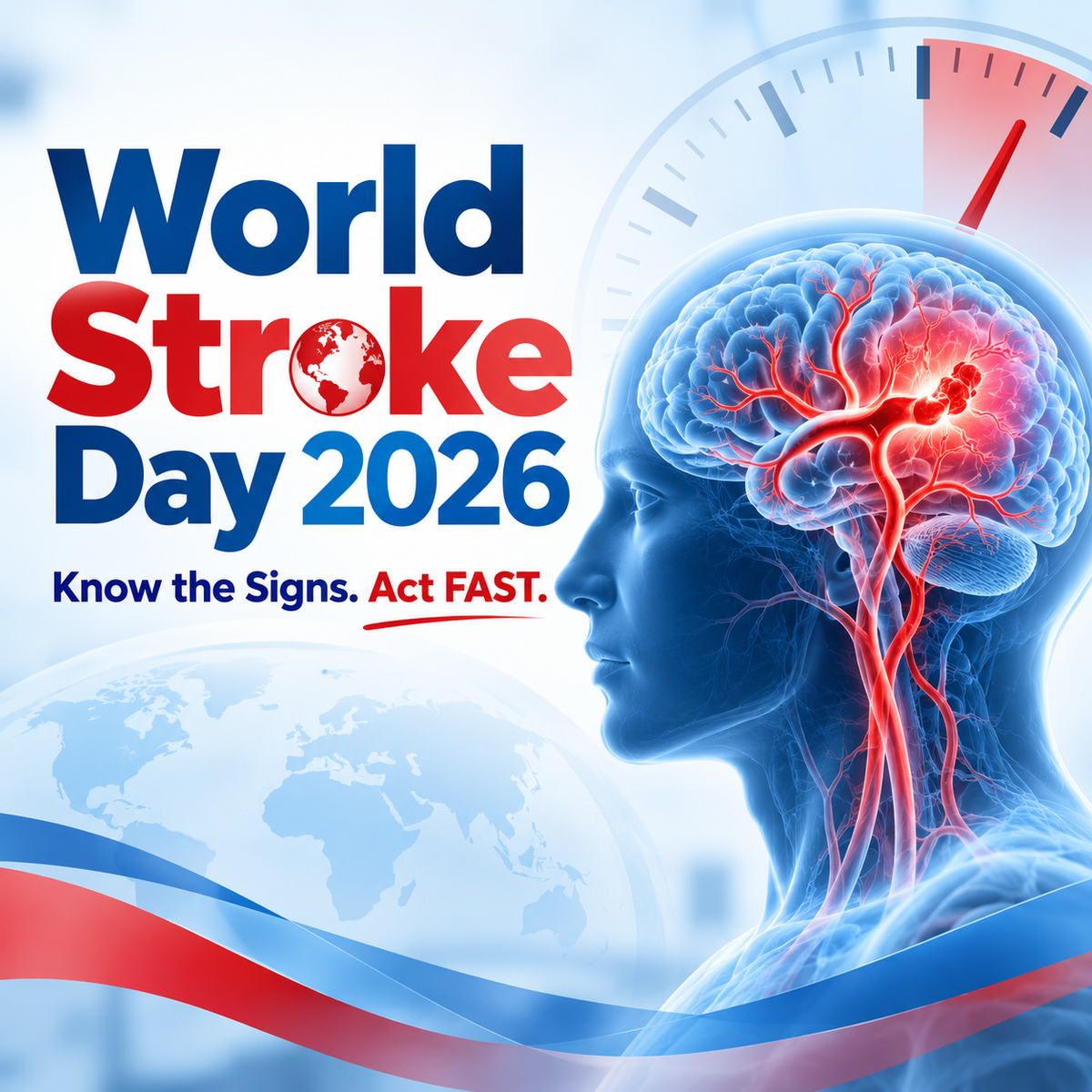
World Stroke Day 2026: Theme, Symptoms, FAST Warning Signs, Prevention and Treatment
Oct 21, 2026
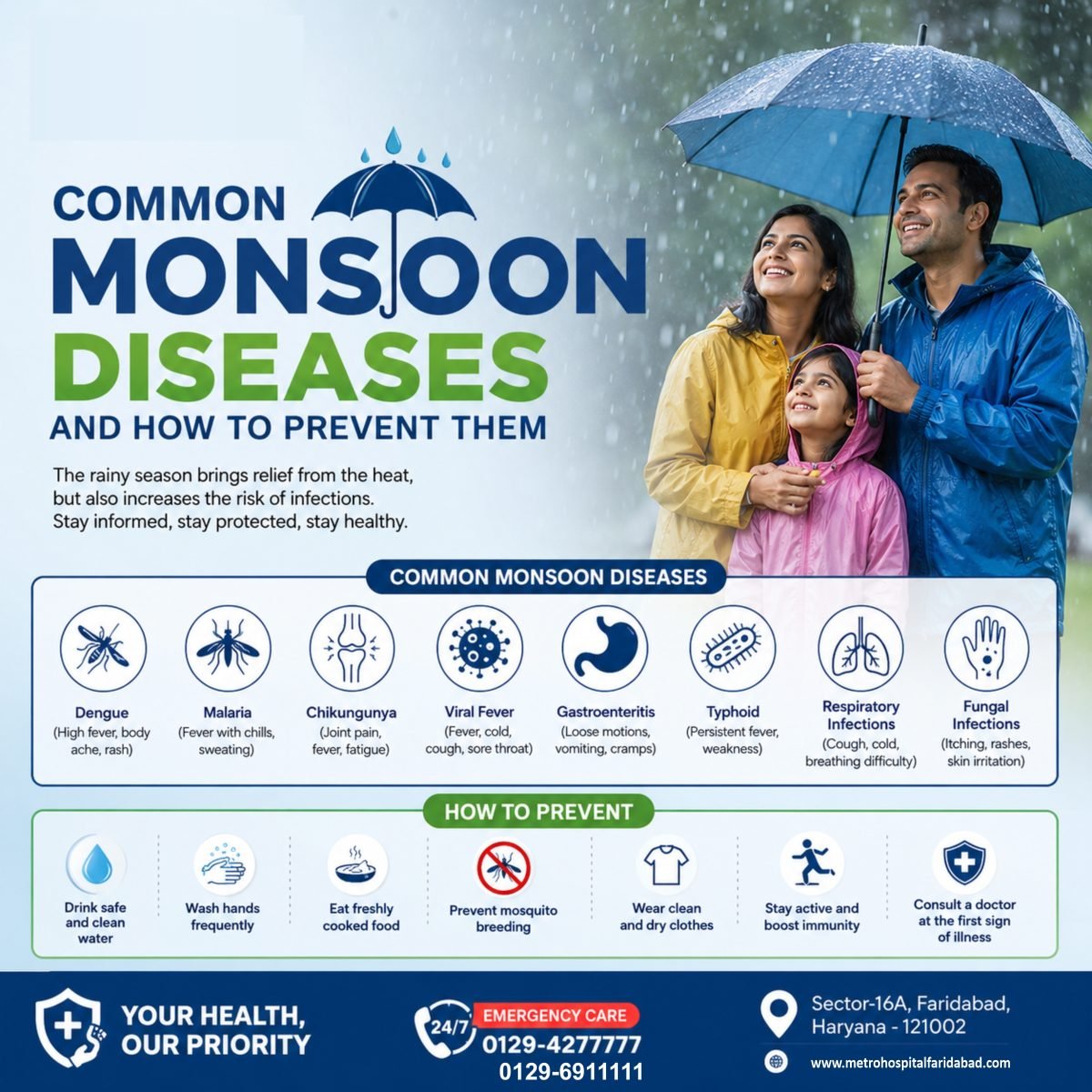
The arrival of the monsoon brings cooler temperatures, lush greenery, and welcome relief from the summer heat. However, it also marks the beginning of a season when infections and communicable diseases become more common. Increased humidity, waterlogging, mosquito breeding, and contamination of food and water create ideal conditions for bacteria, viruses, and parasites to spread.
Every year during the rainy season, hospitals witness a significant increase in patients with fever, stomach infections, respiratory illnesses, and mosquito-borne diseases. While many of these illnesses are mild when detected early, delayed diagnosis can lead to serious complications.
At Metro Heart Institute with Multispecialty, Faridabad, our multidisciplinary team of physicians, pediatricians, pulmonologists, infectious disease specialists, intensivists, and emergency care experts is equipped to diagnose and manage a wide range of seasonal illnesses. Established in 2002, the hospital is one of the region’s leading tertiary care centres, offering advanced diagnostics, 24×7 emergency services, and comprehensive multispecialty care.
This guide explains the most common monsoon diseases, their symptoms, prevention strategies, and when you should seek medical attention.
Rainfall changes the environment in several ways that encourage the spread of infections.
Children, senior citizens, pregnant women, and people with diabetes, heart disease, kidney disease, cancer, or weakened immunity are at a higher risk of developing severe infections.
Dengue is one of the most common monsoon illnesses in North India. It spreads through the bite of infected Aedes mosquitoes that breed in clean stagnant water found in coolers, flower pots, overhead tanks, buckets, and discarded containers.
A small number of patients may develop severe dengue, which can cause bleeding, low blood pressure, and organ damage.
If fever persists for more than 48 hours or is accompanied by bleeding, severe abdominal pain, or persistent vomiting, immediate medical evaluation is essential.
Malaria is another mosquito-borne disease that becomes more common after rainfall. Unlike dengue mosquitoes, Anopheles mosquitoes usually bite during the evening and night.
Prompt diagnosis and treatment help prevent complications affecting the brain, kidneys, and other organs.
Chikungunya is caused by a virus transmitted by the same mosquito that spreads dengue.
Joint pain may continue for several weeks or even months after recovery in some patients.
Many viral infections circulate during the rainy season and often resemble one another in the early stages.
Since viral fever, dengue, malaria, and typhoid can initially present with similar symptoms, medical assessment and appropriate laboratory tests are important for an accurate diagnosis.
Typhoid spreads through contaminated food and drinking water. Poor sanitation and flooding during monsoon increase the risk of infection.
Avoid self-medication, as untreated typhoid can lead to serious intestinal complications.
Warm and humid weather allows bacteria to multiply rapidly in improperly stored food.
Young children and older adults are particularly vulnerable to dehydration and may require prompt medical care.
Leptospirosis is a bacterial infection that can occur after exposure to floodwater contaminated with animal urine.
People working outdoors or walking through waterlogged streets should take extra precautions.
Humidity and sudden weather changes can trigger respiratory infections and worsen chronic lung diseases such as asthma and COPD.
Common conditions include:
Patients with asthma should continue their prescribed medications and seek medical advice if symptoms worsen.
Continuous sweating and damp clothing create ideal conditions for fungal infections.
Common symptoms include:
Maintaining personal hygiene and keeping the skin dry can significantly reduce the risk.
Many seasonal illnesses can be prevented through small but consistent lifestyle measures.
Always consume filtered, boiled, or purified drinking water.
Avoid roadside food, uncovered snacks, and cut fruits exposed to dust and flies.
Wash your hands thoroughly before meals, after using the washroom, and after returning home.
Inspect your home every week for standing water in coolers, flower pots, buckets, and rooftop tanks.
Eat a balanced diet rich in fruits, vegetables, whole grains, and proteins. Adequate sleep, hydration, and regular physical activity also support immune health.
Choose breathable cotton fabrics and change out of wet clothes promptly to reduce the risk of fungal infections.
Do not ignore the following symptoms during the rainy season:
Early diagnosis and timely treatment can prevent complications and improve recovery.
Many monsoon diseases begin with similar symptoms, making it difficult to identify the exact cause without proper medical evaluation. Fever alone may be due to dengue, malaria, typhoid, influenza, or another infection.
At Metro Heart Institute with Multispecialty, Faridabad, patients have access to advanced laboratory services, imaging facilities, intensive care support, and specialists across Internal Medicine, Pediatrics, Pulmonology, Critical Care, Nephrology, and other disciplines. This integrated approach enables timely diagnosis and evidence-based treatment under one roof.
✔ Drink clean, safe water.
✔ Eat hygienically prepared meals.
✔ Remove stagnant water around your home.
✔ Use mosquito repellents daily.
✔ Wash your hands frequently.
✔ Keep your surroundings clean and dry.
✔ Wear protective clothing when outdoors.
✔ Seek medical advice promptly if symptoms persist.
No. Fever during the rainy season may be caused by dengue, malaria, viral infections, typhoid, chikungunya, or other illnesses. Proper medical evaluation is important to determine the exact cause.
While mild viral illnesses may improve with rest and hydration, persistent or high-grade fever should always be evaluated by a healthcare professional. Self-medication can delay diagnosis of serious infections.
Young children, older adults, pregnant women, and individuals with chronic medical conditions or weakened immunity are more likely to develop severe complications.
Monsoon-related illnesses are common, but they are often preventable. Simple measures such as maintaining hygiene, preventing mosquito breeding, consuming safe food and water, and seeking timely medical care can go a long way in protecting your health.
If you or a loved one develops persistent fever, severe dehydration, breathing difficulty, or any concerning symptoms during the rainy season, don’t delay seeking medical attention. Early diagnosis and expert treatment can significantly improve outcomes.
At Metro Heart Institute with Multispecialty, Faridabad, our experienced specialists, advanced diagnostic facilities, 24×7 emergency services, and comprehensive multispecialty care are dedicated to helping you and your family stay healthy throughout the monsoon season.
Oct 21, 2026

Oct 21, 2026
Oct 21, 2026


