Appointment
 Find A Doctor
 Lab Report
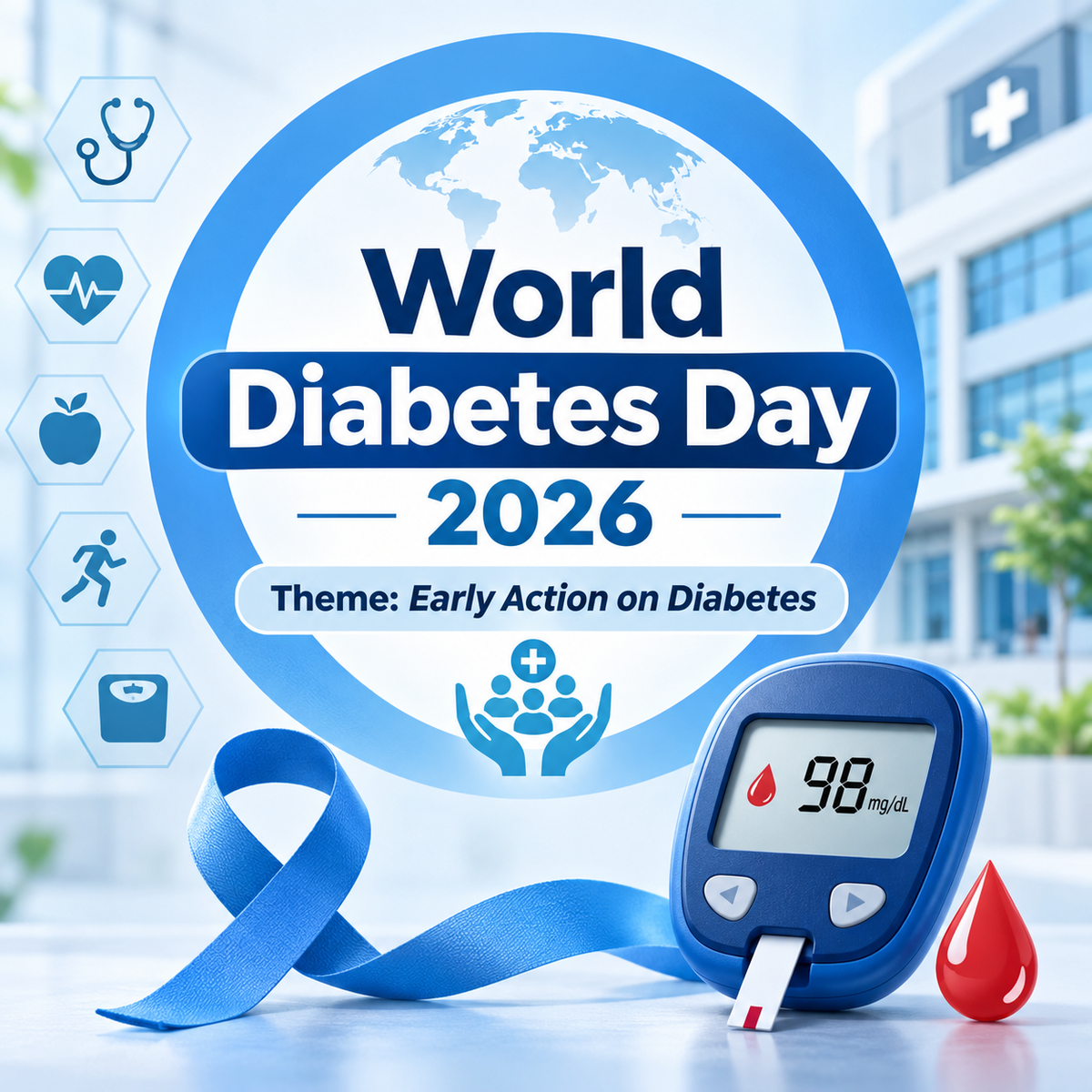
World Diabetes Day 2026: Theme, Symptoms, Risk Factors, Prevention and Treatment
Nov 7, 2026
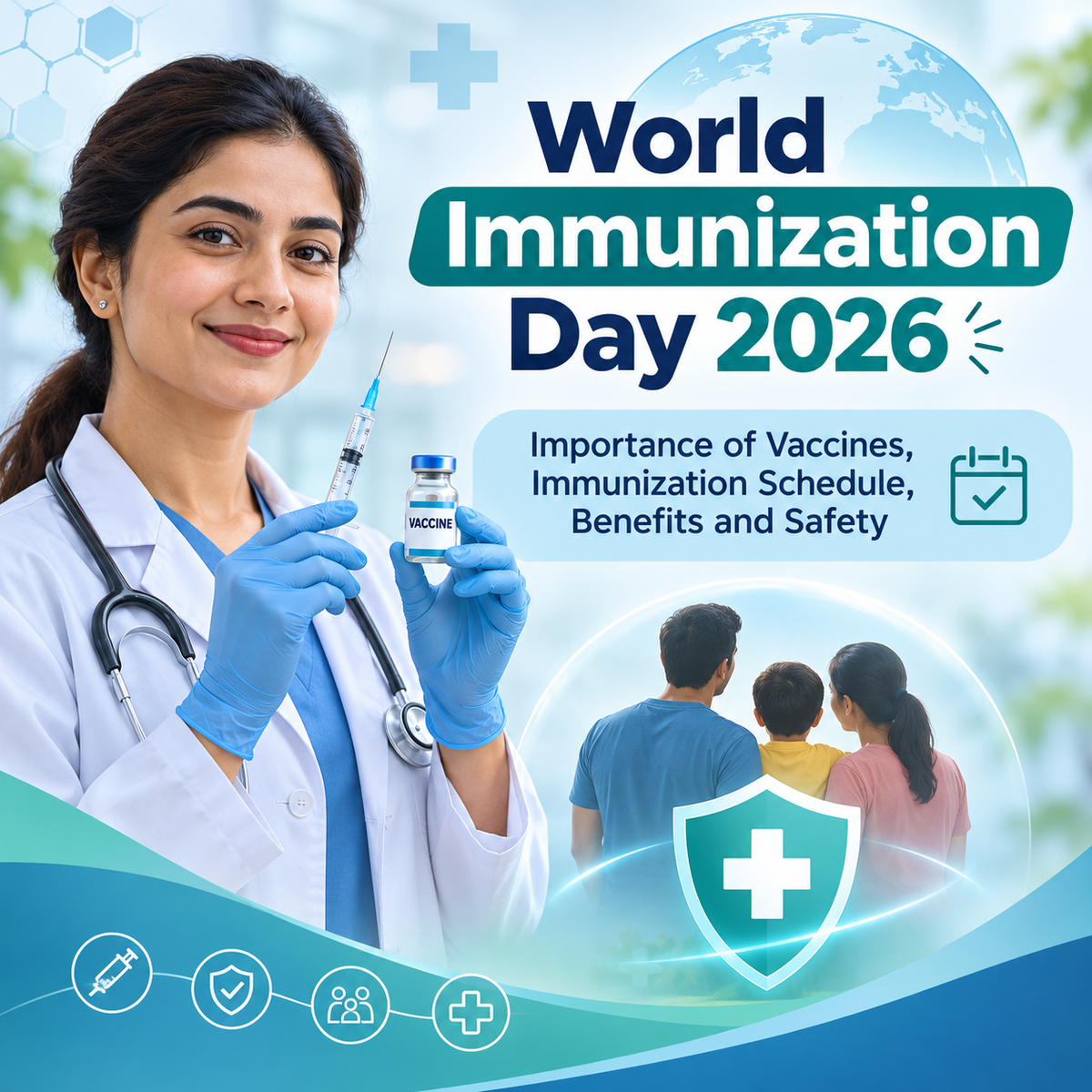
World Immunization Day 2026 is observed on 10 November 2026 to raise awareness about the importance of vaccination in protecting children, adults, pregnant women and communities from vaccine-preventable diseases.
Vaccination is one of the most successful public-health interventions ever developed. Vaccines train the immune system to recognise specific infections and respond more effectively if exposure occurs later.
Diseases that once caused widespread illness, disability and death—including polio, measles, diphtheria and tetanus—have been dramatically reduced through immunization programmes.
WHO states that vaccines have saved more than 150 million lives since 1974 and currently protect people against more than 30 serious diseases and infections.
However, immunization gaps remain. WHO reported that approximately 13.5 million children worldwide received no routine vaccines in 2025, while coverage of the third diphtheria-tetanus-pertussis vaccine dose remained about 85%.
At Metro Hospital, Faridabad, parents can access child health and vaccination services through the Paediatrics & Neonatology Department, which provides comprehensive care for newborns, infants and children.
This detailed guide explains the significance of World Immunization Day 2026, how vaccines work, India’s immunization schedule, childhood vaccination, vaccination during pregnancy, missed doses, vaccine safety, common myths and why immunization remains essential throughout life.
World Immunization Day 2026 is observed on Tuesday, 10 November 2026.
India’s National Health Profile includes 10 November as World Immunization Day in its calendar of important health observances.
The day provides an opportunity to remind families about:
No.
WHO’s officially recognised global campaign is World Immunization Week, observed annually from 24–30 April.
The WHO theme for World Immunization Week 2026 was:
The campaign highlighted the protection vaccines provide to children, adults, families and communities across generations.
WHO has not identified a separate global 2026 theme for the 10 November observance, so the April campaign theme should not be presented as an official theme specifically for World Immunisation Day.
Immunization is the process through which a person becomes protected against an infectious disease, usually through vaccination.
Vaccines contain antigens or other components designed to teach the immune system to recognise a particular pathogen.
If the vaccinated person later encounters that infection, the immune system can respond faster and more effectively.
Vaccination may:
Vaccines protect against diseases that can cause:
Vaccination protects individuals, but high community coverage also makes it harder for infectious diseases to spread.
This is particularly important for people who may be unable to receive certain vaccines because of age or specific medical conditions.
India’s Universal Immunization Programme provides protection against several major vaccine-preventable diseases.
According to the Ministry of Health & Family Welfare, the programme includes vaccines against diseases such as:
India’s Universal Immunization Programme (UIP) is one of the world’s largest public-health vaccination programmes.
The Ministry’s current routine immunization manual states that the programme targets approximately:
with around 1.3 crore routine immunization sessions planned annually.
The goal is to protect eligible children and pregnant women from serious vaccine-preventable diseases.
Vaccines are given at specific ages because children become vulnerable to different infections at different stages.
The current national schedule includes vaccines from birth through adolescence.
Vaccines commonly include:
The Hepatitis B birth dose is particularly important because infection acquired around birth may become chronic.
Vaccines include:
Vaccines include:
Vaccines include:
Always check the exact schedule against the child’s current vaccination card and the latest national or paediatric guidance.
Vaccines may include:
Vaccines include:
A DPT booster is administered.
Td vaccination is recommended.
The national schedule includes another Td dose.
A single dose does not always generate enough immunity.
Multiple doses may:
Booster doses help remind the immune system how to respond.
Skipping boosters can leave protection incomplete.
The pentavalent vaccine provides combined protection against five diseases:
UNICEF notes that the vaccine is administered in a multi-dose series during early infancy.
Measles can cause serious complications such as:
Rubella is usually milder in children, but infection during pregnancy can cause miscarriage or serious birth defects known as congenital rubella syndrome.
The national programme therefore includes two doses of measles-rubella-containing vaccine.
India has eliminated indigenous wild poliovirus transmission, but global eradication has not yet been completed.
Continued vaccination helps:
Parents should continue routine polio vaccination and follow any supplementary government campaigns.
Metro Hospital’s existing World Polio Day guide also explains why ongoing polio vaccination remains important.
Vaccination during pregnancy protects both the mother and newborn against certain infections.
India’s National Immunization Schedule includes Td vaccination for pregnant women.
The schedule includes:
If adequate vaccination was received during a recent pregnancy, national guidance may recommend a booster instead.
Pregnant women should follow their obstetrician’s advice, as recommendations may differ based on vaccination history and medical circumstances.
At Metro Hospital, pregnancy-related care is available through the Obstetrics & Gynaecology Department, which provides antenatal and high-risk pregnancy care.
No.
Vaccination is important throughout life.
Depending on age, medical history, occupation, travel and previous vaccination, adults may require vaccines against diseases such as:
Adult vaccination should be personalised rather than copied from a childhood schedule.
Older adults may be more vulnerable to severe infection because immune responses change with age and chronic diseases become more common.
Vaccination needs may vary according to:
An internal medicine physician can help review an adult vaccination history and individual risk factors.
People living with conditions such as:
may face a higher risk of complications from certain infections.
Discuss vaccination plans with the treating physician, as appropriate vaccines and timing depend on the individual’s medical condition.
A missed vaccine does not automatically mean the entire vaccination series must be restarted.
In many situations, a paediatrician can create a catch-up vaccination schedule.
Parents should bring:
to the consultation.
The doctor can then determine:
Parents should avoid delaying medical advice because they think it is “too late” to catch up.
The term zero-dose child generally refers to a child who has not received the first routine dose of a vaccine containing diphtheria, tetanus and pertussis.
WHO reported that about 13.5 million children globally remained zero-dose in 2025.
Closing these immunization gaps is important because clusters of unvaccinated children can allow outbreaks of diseases such as measles or diphtheria.
Vaccines undergo clinical testing and safety monitoring before and after introduction.
Like medicines, vaccines can cause side effects.
Most commonly reported reactions are mild and temporary.
They may include:
UNICEF notes that fever, soreness and local swelling can occur after several routine childhood vaccines and generally resolve within a few days.
Serious reactions can occur but are far less common.
Healthcare professionals monitor adverse events following immunization to identify potential safety issues.
Yes.
Mild fever can occur after some vaccines because the immune system is responding.
Mild fever does not usually mean the vaccine caused the disease itself.
Parents should follow their paediatrician’s instructions regarding:
Most mild reactions resolve naturally.
Seek prompt medical attention if symptoms include:
A child who appears seriously unwell after vaccination should be medically assessed rather than managed solely at home.
Vaccines are designed to generate immunity without causing the full disease they protect against.
Different vaccines use different technologies, including:
The mechanism varies by vaccine.
Discuss questions about a specific vaccine with a doctor rather than generalising across all vaccines.
False.
Vaccination may be required at different stages of life depending on age and health status.
Not always.
No vaccine provides 100% protection in every individual.
However, vaccination can substantially reduce the likelihood of infection or severe disease, depending on the vaccine.
False.
Many diseases are rare precisely because vaccination coverage remains high.
If immunization rates fall, previously controlled infections can return.
Routine immunization schedules are carefully designed and reviewed.
Children are exposed to thousands of antigens in everyday life; vaccination provides controlled immune training against specific serious diseases.
False.
Mild fever can be a temporary immune response after some vaccinations.
Vaccination is not limited to preventing short-term infections.
Some vaccines can help prevent cancers.
Human papillomavirus is associated with:
WHO’s 2026 vaccine-safety review noted that HPV vaccines had been introduced in 165 countries by the end of 2025, with no new safety concerns identified from large, high-quality studies.
India’s National Health Mission also published updated HPV vaccination campaign guidelines in February 2026.
Patients and parents should follow current national recommendations and consult a qualified doctor regarding eligibility.
Vaccination is not only an individual choice.
High coverage helps reduce transmission of infectious diseases.
This helps protect:
When vaccination coverage falls, outbreaks can return.
Despite decades of progress, vaccine-preventable diseases have not disappeared.
WHO and UNICEF reported that in 2025:
These gaps can allow:
to continue.
World Immunization Day reinforces the need to ensure that no child misses protection because of lack of awareness, misinformation or delayed care.
Parents looking for vaccination guidance can consult the Paediatrics & Neonatology Department at Metro Hospital, Faridabad.
The department provides comprehensive care for:
and is supported by NICU and paediatric critical-care facilities.
Metro Hospital’s current child-health information also identifies routine childhood vaccination as an important part of preventive paediatric care.
Parents who are uncertain about:
should discuss the child’s vaccination record with a paediatrician.
Plan vaccination during pregnancy according to current clinical guidance and the mother’s previous vaccination history.
The Obstetrics & Gynaecology Department at Metro Hospital provides:
Pregnant women should avoid taking or skipping vaccines based solely on online information and should discuss vaccination with their obstetrician.
World Immunization Day is listed in India’s National Health Profile on 10 November. Therefore, World Immunization Day 2026 is observed on 10 November 2026.
WHO has not identified a separate official theme for the 10 November observance. WHO’s official World Immunization Week 2026 theme was “For every generation, vaccines work.”
Vaccination protects against serious infectious diseases and reduces illness, disability, hospitalisation and deaths.
India’s UIP provides vaccination against diseases including tuberculosis, polio, hepatitis B, diphtheria, pertussis, tetanus, Hib disease, rotavirus diarrhoea, pneumococcal disease, measles, rubella and Japanese encephalitis in endemic areas.
Consult a paediatrician with the child’s vaccination record. Catch-up vaccination can often be planned without restarting the entire series.
Many vaccines can safely be administered during the same visit according to approved immunization schedules. A paediatrician should determine the correct combination and timing.
Mild fever, soreness, or swelling can occur after some vaccines and usually resolves quickly.
Yes, certain vaccines such as Td are included in India’s vaccination schedule for pregnant women. The exact schedule depends on previous vaccination history.
No. Adolescents, adults, pregnant women, older adults and people with certain medical conditions may also require vaccination.
Parents can consult the Paediatrics & Neonatology Department at Metro Hospital, Faridabad for child-health evaluation, vaccination guidance and comprehensive paediatric care.
World Immunization Day 2026, observed on 10 November, reminds families that vaccination remains one of the most effective ways to prevent serious infectious diseases.
Vaccines help protect against conditions such as:
India’s Universal Immunization Programme provides a structured vaccination schedule beginning at birth and continuing through childhood and adolescence, while vaccination is also provided for pregnant women.
Parents should:
WHO’s broader 2026 immunization message—
“For every generation, vaccines work”
—captures the continuing importance of vaccination throughout life. WHO estimates that vaccines have saved more than 150 million lives over the past 50 years, yet millions of children worldwide still miss essential doses.
At Metro Hospital, Faridabad, families can access comprehensive child healthcare through the Paediatrics & Neonatology Department, and pregnancy-related preventive care through the Obstetrics & Gynaecology Department.
This World Immunization Day 2026, check your family’s vaccination records and make sure recommended doses and boosters are up to date.
Disclaimer: This article is intended for general health education only. Vaccination schedules and recommendations may vary by age, previous doses, health conditions, pregnancy status, and updated national guidelines. Consult a qualified paediatrician or physician for individual vaccination advice.