Appointment
 Find A Doctor
 Lab Report
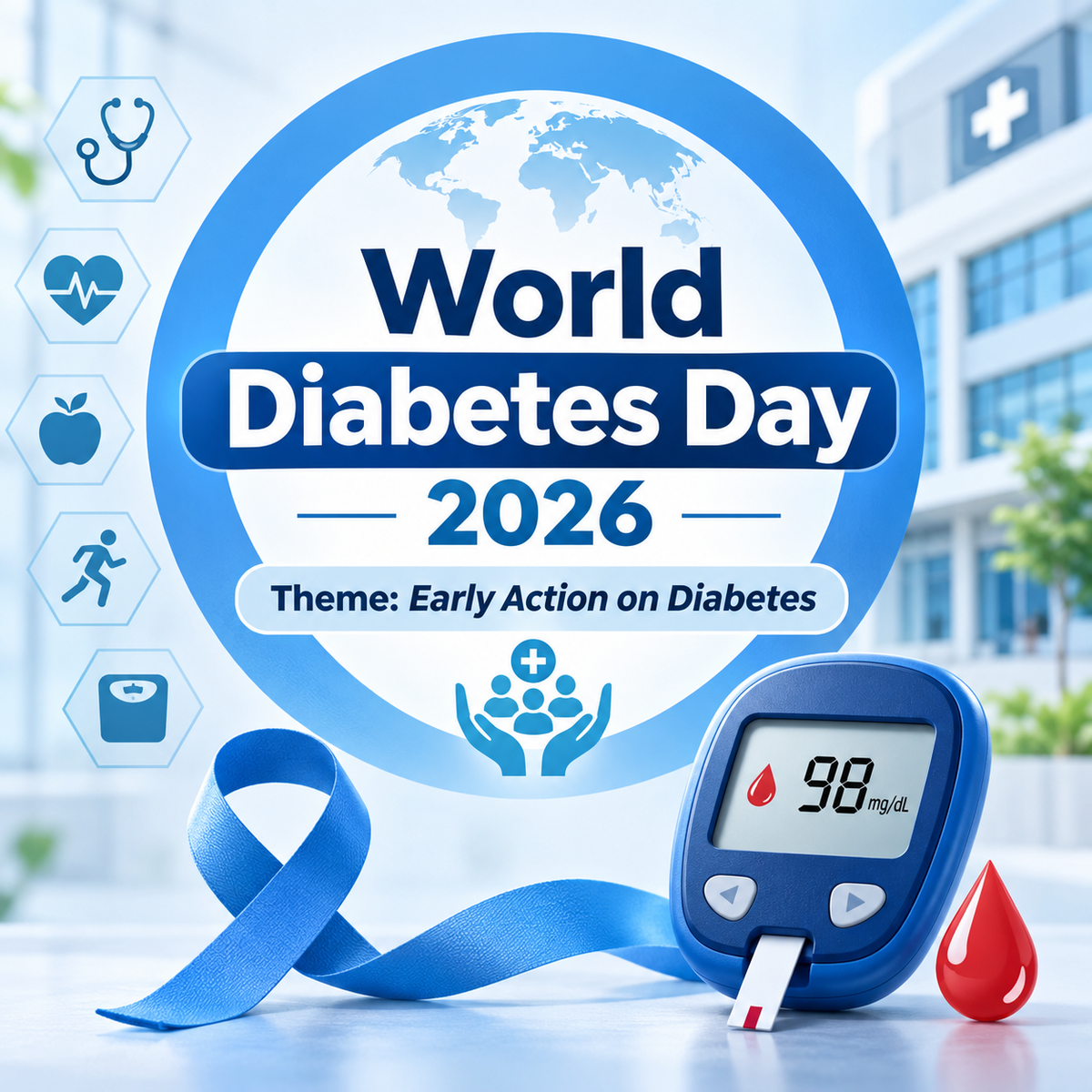
World Diabetes Day 2026: Theme, Symptoms, Risk Factors, Prevention and Treatment
Nov 7, 2026
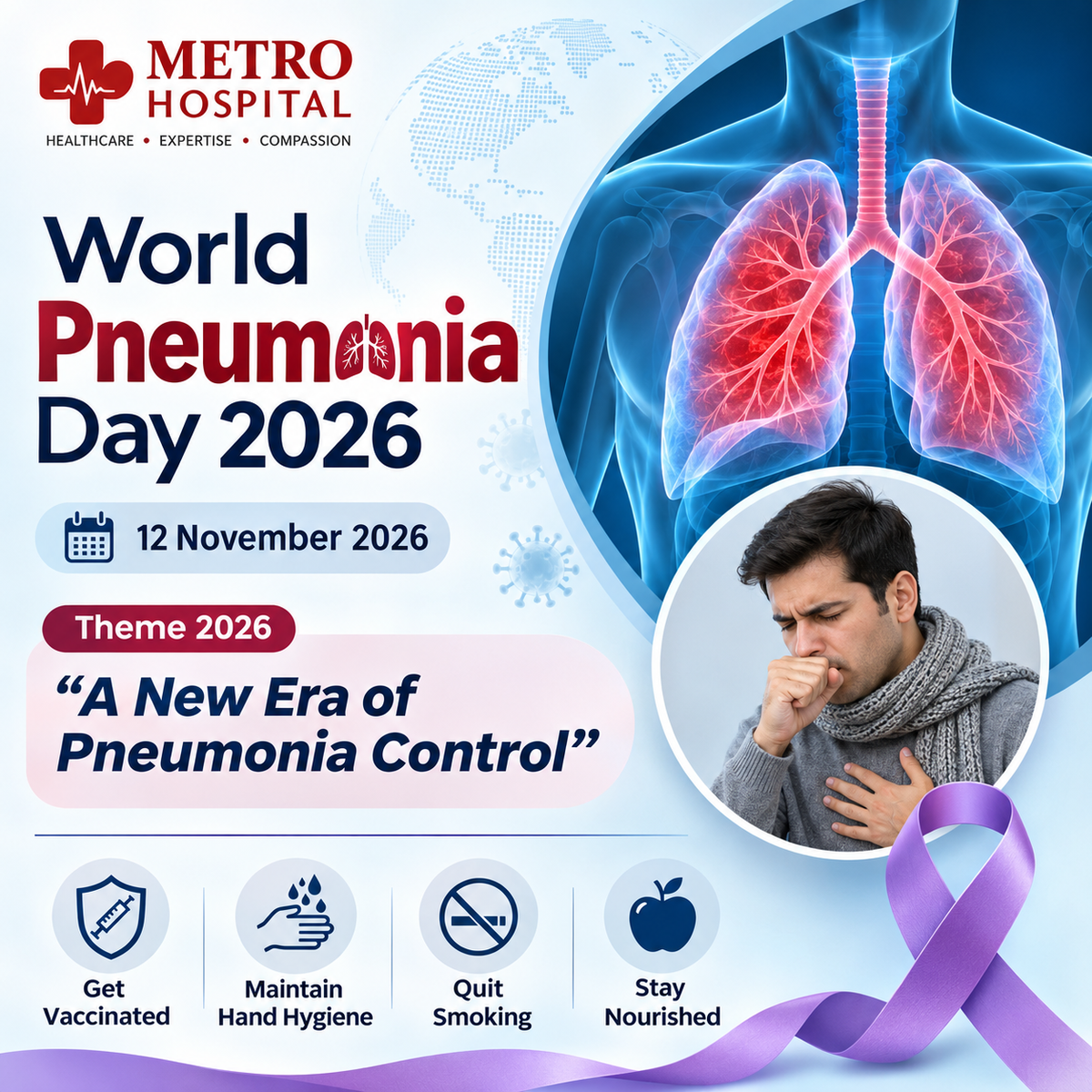
World Pneumonia Day 2026 will be observed on 12 November 2026 to raise awareness about pneumonia, one of the world’s most serious respiratory infections affecting children, adults and older people.
Pneumonia is an infection of the lungs that may be caused by bacteria, viruses or fungi. It can range from a relatively mild respiratory illness to a life-threatening infection requiring hospitalisation, oxygen therapy, intensive care or mechanical ventilation.
The theme of World Pneumonia Day 2026 is:
The Every Breath Counts Coalition has selected this theme to recognise recent progress in vaccines, diagnostic technologies and treatment, while emphasising that pneumonia continues to cause millions of deaths globally. According to the coalition, pneumonia caused approximately 2.5 million deaths in 2023, including around 610,000 children under five.
At Metro Hospital, Faridabad, patients with pneumonia, persistent cough, breathlessness, fever and other respiratory illnesses can seek specialist evaluation through the Pulmonology, Respiratory & Sleep Medicine Department. The department is integrated with critical care and provides advanced respiratory diagnostics and support for patients with acute and chronic lung disease.
This detailed guide explains World Pneumonia Day 2026, its theme, pneumonia symptoms, causes, types, risk factors, diagnosis, treatment, vaccination, prevention and warning signs that require urgent hospital care.
World Pneumonia Day 2026 is observed on Thursday, 12 November 2026.
World Pneumonia Day was first established in 2009 to:
The Every Breath Counts Coalition coordinates global efforts around the observance.
The official 2026 campaign theme announced by the Every Breath Counts Coalition is:
The theme recognises important advances in:
At the same time, the campaign highlights the need to ensure that these lifesaving interventions are available to everyone who needs them.
Pneumonia is an acute respiratory infection that affects one or both lungs.
Inside healthy lungs are millions of tiny air sacs known as alveoli.
Normally, these sacs fill with air when we breathe.
During pneumonia, the alveoli may become filled with:
This can make breathing difficult and reduce the amount of oxygen reaching the bloodstream.
WHO describes pneumonia as an acute respiratory infection most commonly caused by bacteria or viruses.
Pneumonia can have several causes.
The main categories include:
Bacteria commonly cause pneumonia.
One important organism is:
Streptococcus pneumoniae
WHO identifies it as the most common bacterial cause of pneumonia in children.
Other bacterial causes may also occur depending on age, health status and exposure.
Respiratory viruses can also cause pneumonia.
Examples include:
WHO identifies RSV as an important viral cause of pneumonia in children.
Fungal pneumonia is less common and occurs particularly in people with:
Treatment depends on the exact organism.
Pneumonia symptoms can vary according to:
Common symptoms include:
WHO lists cough, breathlessness, fever, shaking chills, fatigue, and chest pain as common pneumonia symptoms.
Cough is one of the most common pneumonia symptoms.
It may be:
Sputum may sometimes appear:
However, sputum colour alone cannot determine whether pneumonia is bacterial or viral.
Many patients develop fever.
It may be associated with:
Older adults or immunocompromised patients may have pneumonia without a high fever.
Pneumonia can make breathing difficult because infected air sacs do not exchange oxygen normally.
Patients may experience:
Severe breathlessness requires urgent assessment.
Pneumonia may cause chest pain, particularly when:
This type of pain may occur when the lining around the lungs becomes inflamed.
However, severe chest pain can also indicate cardiac or other respiratory problems and should not automatically be assumed to be pneumonia.
The immune response to infection can cause significant fatigue.
Patients may feel:
Fatigue may persist even after fever improves.
Reduced appetite is common during infection.
Poor intake may increase the risk of:
This is particularly important in children and older adults.
Pneumonia can be especially dangerous in young children.
WHO notes that children under five with cough or difficult breathing may show:
Very sick infants may also become:
Parents should not wait for a child to develop severe symptoms before seeking medical advice.
Adults over 65 are another higher-risk group.
Symptoms may be less typical.
Instead of obvious high fever, an older adult may develop:
WHO specifically lists confusion as a possible pneumonia symptom, particularly in older adults.
Treat sudden confusion in an older person seriously.
Pneumonia can affect anyone, but some people are more vulnerable.
Higher-risk groups include:
WHO identifies adults over 65 and people with pre-existing health conditions among groups at higher risk.
People with asthma may experience:
when pneumonia develops.
An infection can also trigger an asthma exacerbation.
Patients with severe asthma should seek medical advice if respiratory symptoms suddenly worsen.
People with COPD have reduced respiratory reserve.
Pneumonia may cause:
Some patients may require hospitalisation or ventilatory support.
Metro Hospital’s Pulmonology Department manages acute and chronic respiratory diseases and works with critical care for patients needing advanced respiratory support.
Air pollution can damage normal respiratory defences and increase vulnerability to respiratory disease.
The Every Breath Counts Coalition identifies air pollution as an important contributor to pneumonia risk, particularly among older adults.
This is particularly relevant in Delhi-NCR during periods of poor air quality.
Reducing unnecessary pollution exposure can therefore form part of respiratory-health protection.
Poor nutrition can weaken the immune system.
According to Every Breath Counts, malnutrition contributes substantially to childhood pneumonia deaths.
WHO also notes that adequate nutrition—including exclusive breastfeeding during the first six months—helps strengthen children’s natural defences against pneumonia.
Pneumonia itself refers to infection and inflammation of the lungs.
Whether it spreads depends on the causative organism.
Viruses and bacteria that cause pneumonia may spread through:
WHO notes that respiratory bacteria and viruses may spread through droplets from coughs and sneezes.
Good hygiene therefore plays an important role in prevention.
It can be difficult to distinguish bacterial from viral pneumonia based on symptoms alone.
Both can cause:
Doctors consider:
before deciding treatment.
Diagnosis often begins with a physical examination.
The doctor may:
Additional investigations may include:
A chest X-ray can identify:
It is commonly used when pneumonia is suspected.
Pulse oximetry measures oxygen saturation.
Low oxygen levels may indicate severe pneumonia.
This is especially important because some patients may have significant hypoxaemia even before they feel extremely breathless.
Tests may include:
Depending on illness severity.
Sputum may be tested in selected patients to help identify bacteria or other organisms.
CT may be considered when:
Bronchoscopy may be useful in selected patients with:
Metro Hospital’s Pulmonology, Respiratory & Sleep Medicine Department provides video-assisted bronchoscopy and other advanced respiratory diagnostics.
Treatment depends on:
Bacterial pneumonia is treated with antibiotics.
WHO notes that appropriate antibiotics can treat bacterial pneumonia.
The specific antibiotic depends on:
Patients should not self-medicate with antibiotics.
No.
Antibiotics act against bacteria, not viruses.
However, viral infection can sometimes be followed by secondary bacterial pneumonia.
A doctor should determine whether antibiotics are required.
Patients with low oxygen saturation may need supplemental oxygen.
The Every Breath Counts campaign specifically identifies access to medical oxygen as one of the essential tools in reducing pneumonia deaths.
Severe cases may require:
Adequate hydration can help prevent dehydration and support recovery.
WHO advises rest and hydration as supportive measures during pneumonia recovery.
Patients with heart or kidney disease should follow individual fluid recommendations.
Many mild cases can be managed outside hospital under medical supervision.
Hospitalisation may be required for:
WHO recommends hospitalisation for severe cases.
Seek urgent medical care for:
In children, emergency warning signs include:
Many cases can be prevented or their severity reduced.
Prevention strategies include:
WHO specifically recommends immunization, handwashing, reducing indoor air pollution and maintaining a healthy lifestyle.
Vaccination is one of the most important pneumonia-prevention strategies.
Vaccines that help reduce pneumonia caused by certain infections include:
WHO describes immunization against Hib, pneumococcus, measles, influenza and pertussis as an important approach to pneumonia prevention.
Pneumococcus can cause:
Pneumococcal vaccination recommendations depend on:
Children receive pneumococcal vaccination as part of routine immunization programmes, while some older adults and high-risk adults may also be advised vaccination.
Influenza can cause viral pneumonia and may also predispose patients to secondary bacterial infection.
Vaccination recommendations depend on age and risk factors.
WHO identifies immunization against:
as among the most effective ways to prevent pneumonia in children.
Parents should keep childhood immunisation schedules up to date.
Exclusive breastfeeding during the first six months provides nutrition and immune support.
WHO notes that adequate nutrition and breastfeeding improve children’s natural defences and can help reduce pneumonia risk.
Frequent handwashing can reduce transmission of respiratory organisms.
Wash hands:
Smoking damages respiratory defences and increases vulnerability to lung infection.
Secondhand smoke can also increase risk, particularly in children.
WHO recommends stopping smoking as part of pneumonia prevention.
Smoke from indoor cooking and heating fuels can affect lung health.
WHO lists indoor air pollution among environmental factors increasing childhood pneumonia risk.
Better ventilation and cleaner household fuels can reduce exposure.
False.
Pneumonia affects people of all ages.
Older adults and people with chronic medical conditions are also at high risk.
False.
Treatment depends on:
A doctor should choose the antibiotic.
False.
Older adults and immunocompromised patients may have mild or no fever.
False.
A common cold primarily affects the upper respiratory tract.
Pneumonia affects lung tissue and may interfere with oxygen exchange.
Not necessarily.
Cough and fatigue may take longer to resolve.
Follow-up may be needed when symptoms persist.
Recovery varies.
Factors include:
Mild pneumonia may improve relatively quickly, while severe pneumonia can cause fatigue and respiratory symptoms for weeks.
Older adults and patients with chronic lung disease may recover more slowly.
Patients with suspected pneumonia can seek specialist respiratory evaluation through the Pulmonology, Respiratory & Sleep Medicine Department at Metro Hospital, Faridabad.
The department manages both acute and chronic respiratory diseases and is supported by:
For broader respiratory evaluation, patients can also review Metro Hospital’s Respiratory Care services in Faridabad, which include management of respiratory infections and complex lung disorders.
Patients with complex or recurrent respiratory problems can consult specialists including Dr. Hemant Goel, Director & HOD – Respiratory & Sleep Medicine at Metro Hospital, Faridabad.
His listed expertise includes:
Metro Hospital’s respiratory team also includes Dr. Deepak Talwar, Chairman – Metro Centre for Respiratory Diseases and Sr. Consultant – Pulmonology, Respiratory & Sleep Medicine.
Children with fever, cough and difficult or fast breathing should be evaluated promptly.
Paediatric care at Metro Hospital is available through the Paediatrics & Neonatology Department, supporting newborns, infants and children with acute and complex illnesses.
Severe childhood pneumonia may require:
World Pneumonia Day 2026 is observed on 12 November 2026.
The Every Breath Counts Coalition announced the 2026 theme as “A New Era of Pneumonia Control.”
Common symptoms include cough, fever, chills, shortness of breath, chest pain and fatigue.
Pneumonia may be caused by bacteria, viruses or fungi.
Severe breathlessness, low oxygen, confusion, chest pain, inability to drink, bluish lips or rapid deterioration require urgent medical attention.
No. Antibiotics treat bacterial pneumonia but do not treat viral infections. Treatment depends on the likely cause and clinical assessment.
Vaccination can prevent several infections that cause pneumonia, including pneumococcal disease, Hib, influenza, measles and pertussis.
Fast breathing, chest indrawing, inability to feed or drink, extreme sleepiness, and convulsions are concerning signs.
Yes. Adults over 65 and people with existing health problems are among the groups at higher risk.
Patients can seek specialist evaluation at the Pulmonology, Respiratory & Sleep Medicine Department at Metro Hospital, Faridabad for pneumonia and other acute or chronic respiratory illnesses.
World Pneumonia Day 2026, observed on 12 November, focuses global attention on one of the most serious respiratory infections affecting children and adults.
The official 2026 theme—
—highlights the opportunity provided by better vaccines, improved diagnostic tools, modern treatment and greater access to lifesaving medical oxygen.
Common pneumonia symptoms include:
Pneumonia can be caused by bacteria, viruses or fungi, and treatment depends on the cause and severity.
Important warning signs include:
Pneumonia prevention includes:
At Metro Hospital, Faridabad, patients with pneumonia can access specialist respiratory evaluation through the Pulmonology, Respiratory & Sleep Medicine Department, which is integrated with critical-care services for patients who require advanced respiratory support.
This World Pneumonia Day 2026, remember that persistent cough, fever and breathlessness should not be ignored—especially in young children, older adults and people with existing lung disease.
Disclaimer: This article is intended for general health education only. Pneumonia requires professional diagnosis and treatment. Severe breathlessness, low oxygen, confusion, bluish lips or rapidly worsening symptoms require urgent medical attention.