 Appointment
 Find A Doctor
 Lab Report

World Stroke Day 2026: Theme, Symptoms, FAST Warning Signs, Prevention and Treatment
Oct 21, 2026
Why Summer Health Tips Matter
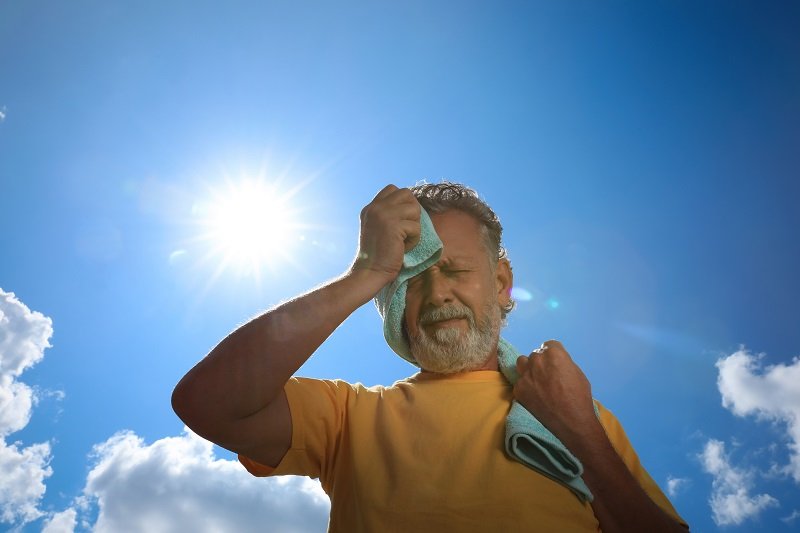
Summer in India can be intense, with temperatures frequently soaring above 45°C. Such extreme heat poses significant health risks, especially for children, the elderly, and individuals with underlying health conditions. From dehydration and sunburns to food poisoning and heatstroke, the hot months require careful preparation and preventive care.
This comprehensive guide outlines actionable and age-specific summer health tips that promote wellness, ensure safety, and help you enjoy the season without falling ill.
Section 1: Summer Health Tips for Infants and Toddlers
1.1 Maintain Proper Hydration
For infants under 6 months, exclusive breastfeeding or formula feeding is sufficient. For older babies, introduce small amounts of water along with regular feeding.
1.2 Choose Light, Breathable Clothing
Dress infants in light cotton clothing to avoid overheating and skin irritation. Avoid synthetic or tight-fitting garments that can trap heat.
1.3 Keep the Environment Cool
Use fans, air conditioning, or coolers to maintain a comfortable indoor temperature. Ensure good air circulation without directly exposing the child to cold air.
1.4 Provide Hydrating Foods
Once solids are introduced, offer hydrating foods like mashed watermelon, cucumber, and boiled bottle gourd.
1.5 Avoid Crowded and Hot Places
Limit exposure to crowded, humid environments and avoid going out with babies during peak sunlight hours (12 PM to 4 PM).
Section 2: Summer Health Tips for School-Age Children
2.1 Schedule Outdoor Activities Smartly
Encourage playtime either in the early morning or after 5 PM. Avoid sports and physical activities during mid-day heat.
2.2 Promote Regular Water Consumption
Children often get caught up in play and forget to drink water. Provide water bottles with infused lemon or mint to make hydration more appealing.
2.3 Apply Sunscreen Before Outdoor Exposure
Use a dermatologically approved, kid-safe sunscreen with SPF 30 or higher. Reapply every two hours when outdoors.
2.4 Dress for the Weather
Choose loose, light-colored clothing and ensure your child wears a cap or sunhat and UV-protected sunglasses.
2.5 Offer Nutrient-Rich, Cooling Snacks
Replace processed snacks with fruit bowls, curd-based smoothies, and homemade popsicles made from natural juices.
Section 3: Summer Health Tips for Teenagers
3.1 Exercise at Appropriate Times
Teenagers should avoid intense workouts in high temperatures. Morning or evening workouts are preferable.
3.2 Stay Hydrated with Natural Beverages
Encourage drinks like coconut water, buttermilk, sugar-free lemonade, and fruit smoothies instead of caffeinated or carbonated drinks.
3.3 Wear Comfortable, Breathable Fabrics
Teenagers should opt for cotton T-shirts and loose pants to stay sweat-free and avoid acne breakouts.
3.4 Emphasize Hygiene
Teenagers should bathe at least twice a day during summer, use talcum powder for sweat control, and maintain proper hair and body hygiene.
3.5 Support Mental Well-Being
Stress from studies or peer pressure can increase in summer. Ensure enough sleep, downtime, and open communication.
Section 4: Summer Health Tips for Adults
4.1 Prioritize Water Intake
Drink at least 8 to 10 glasses of water daily. Use ORS or electrolyte-rich drinks if working outdoors.
4.2 Eat Light and Digestible Meals
Avoid fried and spicy food. Choose home-cooked meals with yogurt, green vegetables, seasonal fruits, and pulses.
4.3 Prepare Detox Drinks
Make your own cooling drinks using mint, cucumber, lemon, and ginger. These support digestion and body temperature regulation.
4.4 Select Suitable Workwear
Wear loose, breathable clothes in pastel or white shades. Avoid dark colors and synthetic fabrics.
4.5 Protect Your Skin
Use a broad-spectrum sunscreen with SPF 50 or higher. Reapply every 2–3 hours if you’re exposed to sunlight.
Section 5: Summer Health Tips for the Elderly
5.1 Minimize Direct Sun Exposure
Avoid stepping out during the hottest part of the day. If necessary, use protective gear such as sun hats and full-sleeve cotton clothing.
5.2 Encourage Fluid Intake
Elderly individuals may have a reduced sense of thirst. Encourage sipping water, coconut water, or herbal teas regularly.
5.3 Offer Easy-to-Digest Meals
Light, well-cooked meals made with less oil and spice are ideal. Include fruits such as papaya, apples, and watermelon.
5.4 Maintain a Cool Living Environment
Ensure good airflow in rooms. Use air conditioners or coolers but avoid extremely low temperatures.
5.5 Monitor Chronic Health Conditions
Keep track of blood pressure, blood sugar levels, and other conditions that may be aggravated by heat or dehydration.
Section 6: Common Summer Health Problems & Prevention
6.1 Heatstroke
Symptoms: High body temperature, dizziness, nausea, confusion.
Prevention: Stay indoors during peak hours, keep hydrated, and wear light clothes.
6.2 Food Poisoning
Symptoms: Vomiting, diarrhea, stomach pain.
Prevention: Avoid street food, refrigerate leftovers, and wash produce thoroughly.
6.3 Dehydration
Symptoms: Dry mouth, fatigue, dark urine.
Prevention: Increase water intake and consume water-rich fruits.
6.4 Sunburn
Symptoms: Red, inflamed skin that feels hot.
Prevention: Use sunscreen and cover exposed skin when outdoors.
6.5 Eye Irritation
Symptoms: Dryness, redness, or pain in the eyes.
Prevention: Use sunglasses and artificial tears if needed.
Section 7: Best Foods to Eat During Summer
7.1 Cooling Foods
These foods naturally hydrate the body and replenish lost electrolytes.
7.2 Foods to Avoid
Section 8: Skin and Hair Care Tips for Summer
8.1 Skincare Routine
8.2 Hair Care
Section 9: Summer Travel Health Tips
9.1 Prepare a Travel Kit
Include essentials like water bottles, sunscreen, face wipes, a hat, sunglasses, and a small first aid kit.
9.2 Maintain Dietary Hygiene
Stick to fresh, home-packed food. Avoid tap water and eat at clean, hygienic places.
9.3 Stay Cool
Choose light clothes for travel. Use portable fans or cooling towels if you’re commuting long distances.
Section 10: Lifestyle Modifications for a Safe Summer
10.1 Plan Your Day Wisely
Complete outdoor work during early morning hours. Avoid stepping out between 12 PM to 4 PM.
10.2 Practice Cooling Yoga
Breathing techniques such as Sheetali and Sheetkari Pranayama are excellent for reducing body heat.
10.3 Maintain Personal Hygiene
Frequent showers, clean clothes, and foot hygiene help in preventing infections like fungal skin issues or foot odor.
Conclusion: Prioritize Your Well-Being This Summer
The summer season demands a conscious approach to wellness. By following these summer health tips, you can safeguard yourself and your loved ones from seasonal ailments and discomfort. No matter your age, staying hydrated, dressing appropriately, eating wisely, and protecting your skin are fundamental to surviving the heat.
Make this summer a healthy and happy one by preparing well and acting mindfully.
Quick Recap: Summer Health Tips by Age Group
| Age Group | Key Recommendations |
| Infants & Toddlers | Breastfeeding, cotton clothing, cool environment |
| Children | Water intake, safe playtime, protective accessories |
| Teenagers | Natural drinks, hygiene, morning workouts |
| Adults | Hydration, detox drinks, light food |
| Seniors | Indoors during peak hours, regular monitoring |
Oct 21, 2026

Oct 21, 2026

Oct 21, 2026


