Appointment
 Find A Doctor
 Lab Report
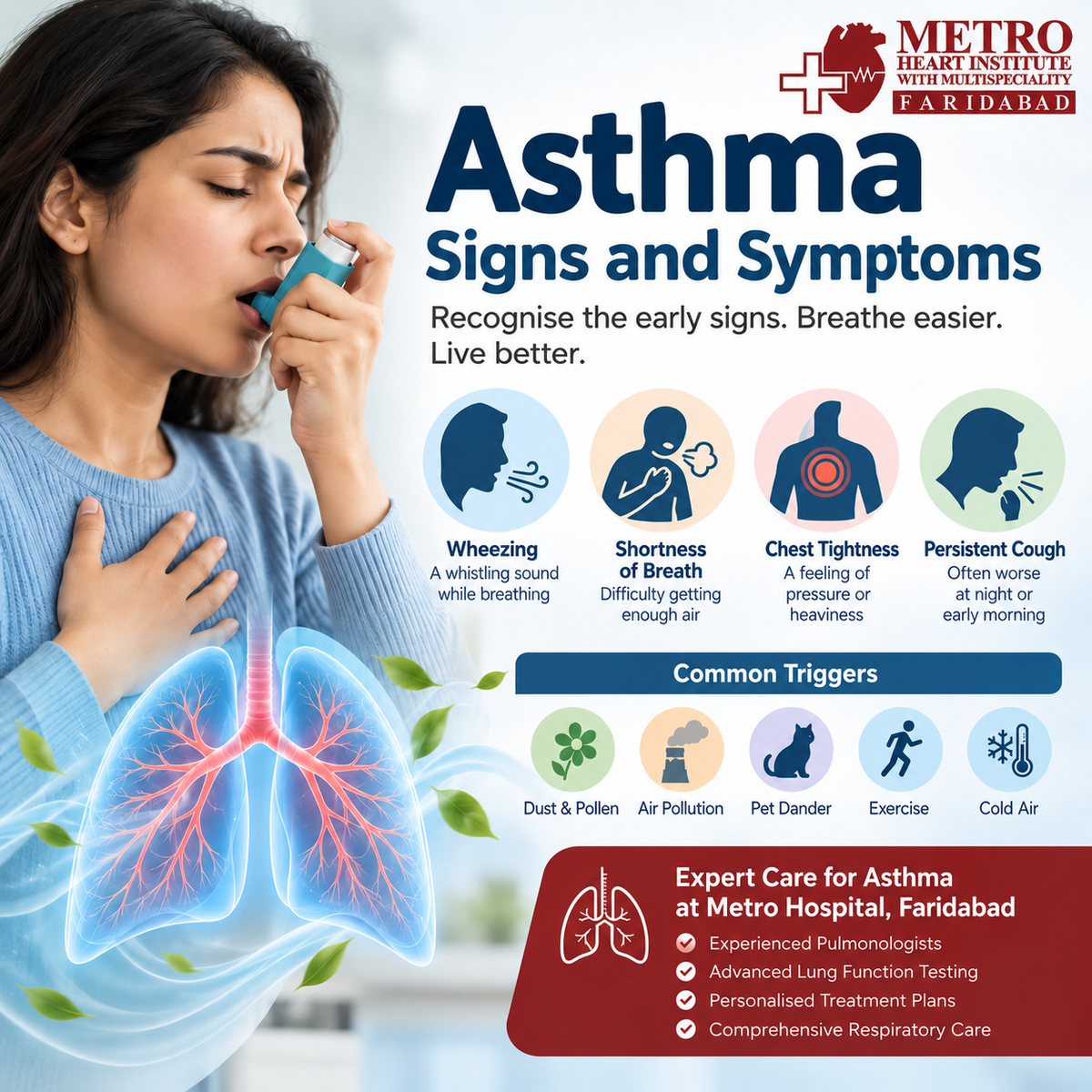
Asthma Signs and Symptoms: Early Warning Signs, Causes, Diagnosis and Treatment
Oct 22, 2026

Introduction
Breast cancer is one of the most common types of cancer affecting women worldwide. While certain risk factors like genetics are beyond control, adopting a healthy lifestyle can significantly reduce the likelihood of developing breast cancer. Understanding how to prevent breast cancer through lifestyle choices, regular screenings, and awareness can help you take proactive steps toward better health.
In this comprehensive guide, we will explore breast cancer prevention tips, key lifestyle changes, and early detection methods that can make a difference.
What Causes Breast Cancer?
Before we discuss how to prevent breast cancer, it’s important to understand the causes and risk factors associated with it.
Genetic Factors
Lifestyle and Environmental Factors
Breast Cancer Prevention Tips
While no method guarantees complete prevention, certain strategies can lower your risk. Here’s how:
Eating nutrient-rich foods can play a significant role in reducing breast cancer risk.
Physical activity helps regulate hormones and maintain a healthy weight, reducing breast cancer risk.
Obesity increases estrogen levels, which can elevate breast cancer risk. Maintain a Body Mass Index (BMI) between 18.5 and 24.9.
Alcohol consumption is linked to an increased risk of breast cancer.
Smoking contributes to various cancers, including breast cancer. Quitting smoking can improve overall health and reduce your risk.
Long-term use of hormone replacement therapy (HRT) can elevate breast cancer risk.
Early detection is key to preventing advanced breast cancer.
Common Myths About Breast Cancer Prevention
There are many misconceptions regarding breast cancer causes and prevention. Let’s debunk a few:
❌ Myth: Wearing a bra increases the risk of breast cancer.
✔ Truth: No scientific evidence supports this claim.
❌ Myth: Only women with a family history get breast cancer.
✔ Truth: While genetics play a role, many cases occur in women without a family history.
❌ Myth: Using deodorants causes breast cancer.
✔ Truth: No conclusive evidence links deodorants to breast cancer.
❌ Myth: Breast cancer only affects older women.
✔ Truth: Young women and even men can develop breast cancer.
Lifestyle Changes for Long-Term Breast Health
Adopting a healthy lifestyle can support long-term breast health and overall well-being.
When to See a Doctor?
Consult a healthcare provider if you notice:
Regular health checkups and screenings are vital for early detection and prevention.
Frequently Asked Questions (FAQ)
No, but maintaining a nutritious diet can significantly lower your risk.
Once a month, preferably a few days after your menstrual cycle.
Yes, breastfeeding for at least 6 months can lower the risk.
Vitamin D, omega-3 fatty acids, and antioxidants may help but should be taken under medical guidance.
Conclusion
Understanding how to prevent breast cancer can help you take control of your health. By following a healthy diet, exercising regularly, maintaining a healthy weight, limiting alcohol, and avoiding smoking, you can reduce your risk significantly.
Early detection through breast screenings and self-examinations plays a crucial role in preventing complications. If you notice any unusual symptoms, consult a healthcare professional immediately.
Take charge of your health today – Small changes can lead to a healthier, cancer-free future! 💖