Appointment
 Find A Doctor
 Lab Report

Asthma Signs and Symptoms: Early Warning Signs, Causes, Diagnosis and Treatment
Oct 22, 2026
Understanding Epilepsy: Causes, Symptoms, and Treatment
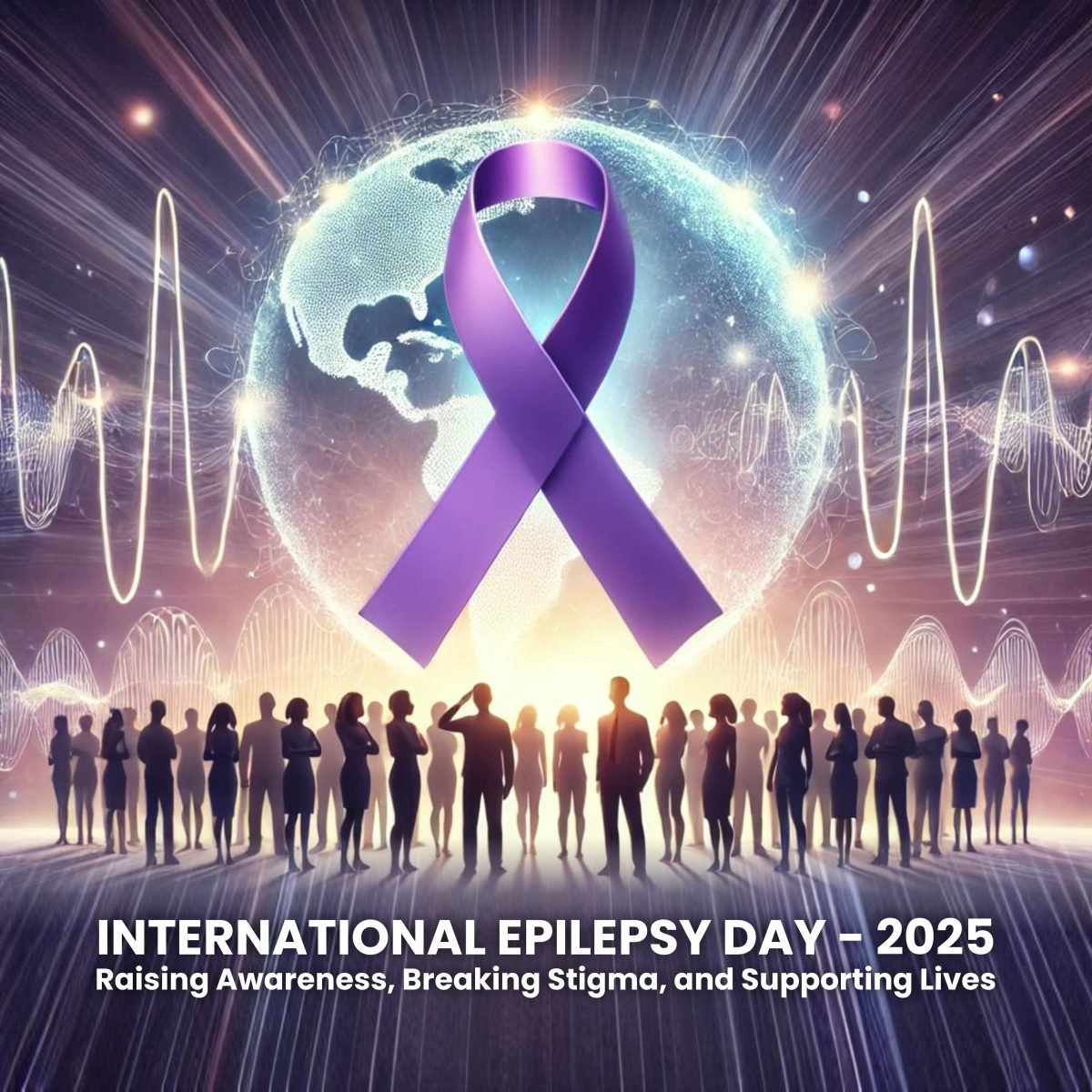
Today, on the occasion of International Epilepsy Day, let’s take a moment to spread awareness about this neurological disorder. Epilepsy affects millions of people worldwide, yet myths and misconceptions often prevent timely diagnosis and treatment. By understanding its causes, symptoms, and available treatments, we can help create a more informed and supportive society.
What is Epilepsy?
Epilepsy is a chronic brain disorder that causes recurrent seizures due to sudden bursts of electrical activity in the brain. The severity of seizures can vary from brief, nearly unnoticeable episodes to intense convulsions.
Causes of Epilepsy
Several factors can contribute to epilepsy, including:
Symptoms of Epilepsy
Symptoms depend on the type of seizure but may include:
Types of Seizures
Epileptic seizures are categorized into:
Diagnosis of Epilepsy
Doctors diagnose epilepsy using:
Treatment and Management
Although epilepsy has no cure, it can be effectively managed through:
Anti-epileptic drugs (AEDs) help control seizures, with the type and dosage tailored to each patient.
For severe cases, surgery may be required to remove the affected brain area.
Best Epilepsy Treatment at Metro Hospital, Faridabad
On this International Epilepsy Day, it’s essential to highlight the best treatment options available. Metro Hospital, Faridabad is at the forefront of advanced epilepsy care, offering state-of-the-art medical facilities and a team of expert neurologists.
Metro Hospital provides:
✔ Advanced EEG and MRI facilities
✔ Expert neurologists and neurosurgeons
✔ 24/7 emergency care for seizures
✔ Holistic epilepsy management, including medication, therapy, and surgical options
With a commitment to excellence in neurological care, Metro Hospital, Faridabad ensures that epilepsy patients receive the best treatment and support, enabling them to lead a normal, healthy life.
Let’s Break the Stigma and Support Epilepsy Awareness!
On International Epilepsy Day, let’s join hands to spread awareness, fight misconceptions, and support those living with epilepsy.
If you or someone you know is experiencing seizures, consult the expert neurologists at Metro Hospital, Faridabad for the best diagnosis and treatment.
#InternationalEpilepsyDay #EpilepsyAwareness #MetroHospitalFaridabad