 Appointment
 Find A Doctor
 Lab Report
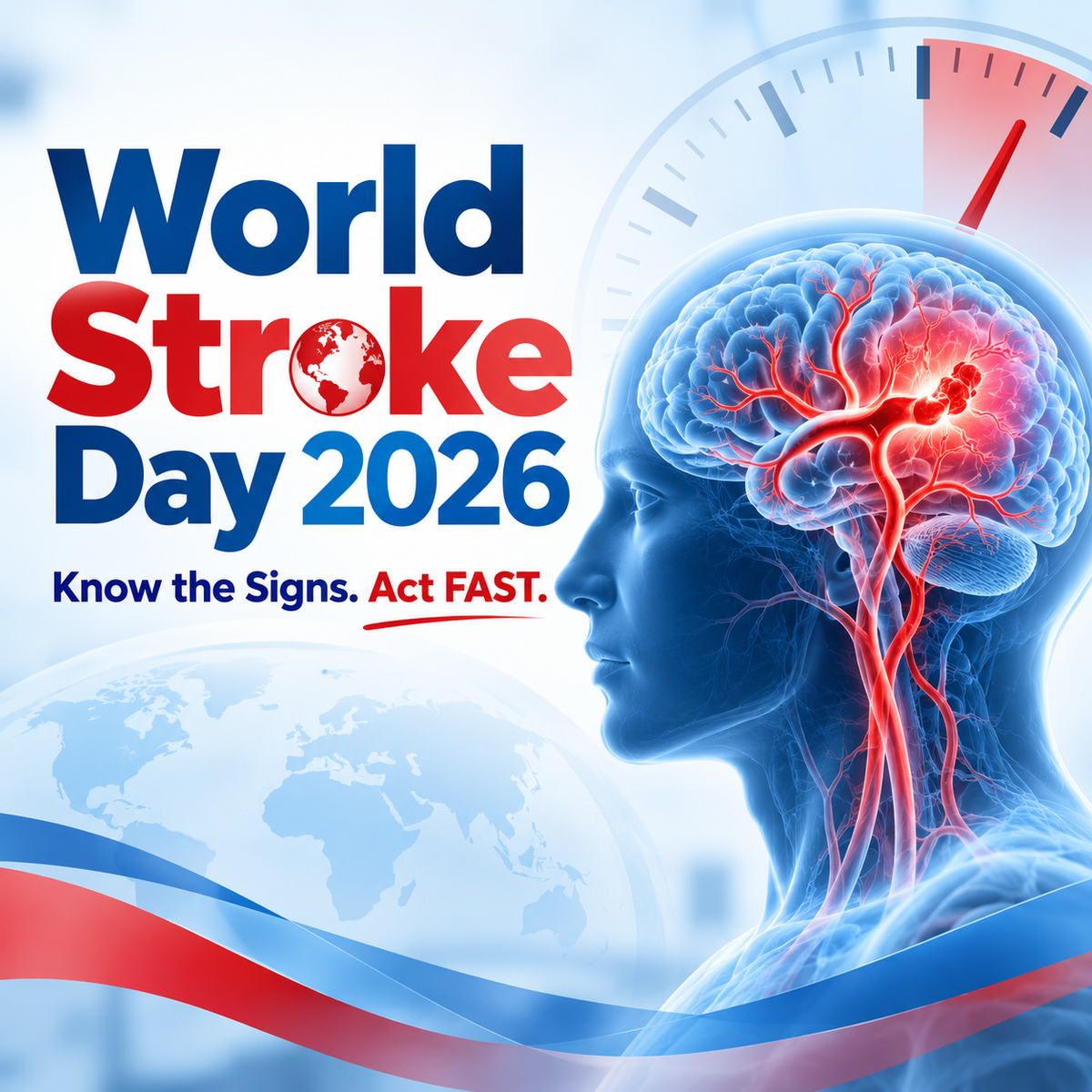
World Stroke Day 2026: Theme, Symptoms, FAST Warning Signs, Prevention and Treatment
Oct 21, 2026
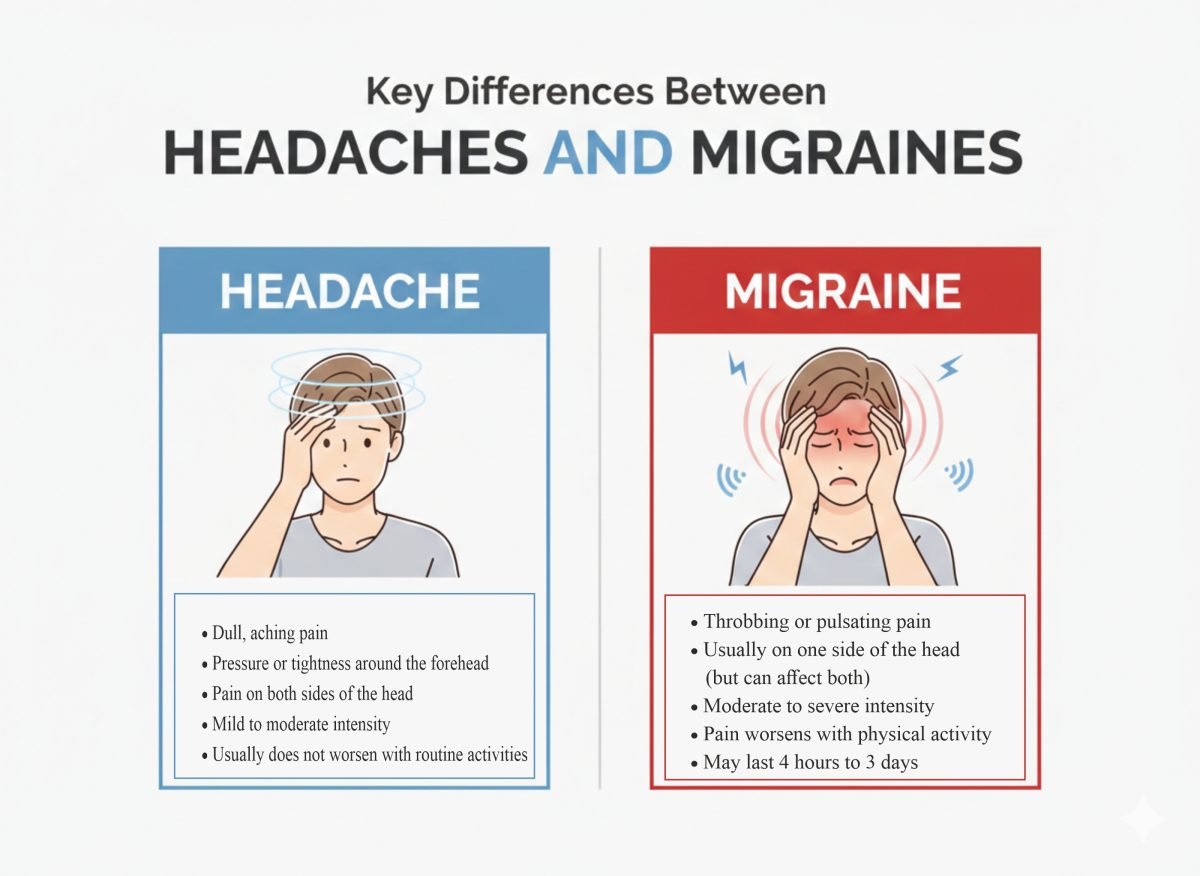
Headaches are one of the most common health complaints. Almost everyone experiences them at some point. But not all headaches are the same. Many people confuse a migraine with a regular headache, which can delay proper treatment and relief.
At Metro Hospital, Faridabad, we often meet patients who are unsure whether they are dealing with a simple headache or something more serious like a migraine. Understanding the difference can help you seek the right care at the right time.
Let’s break it down in a simple and clear way.
What Is a Normal Headache?
A “normal” headache usually refers to a tension-type headache, which is the most common type.
Common Causes:
How It Feels:
Most tension headaches improve with rest, hydration, stress management, or over-the-counter pain relievers.
What Is a Migraine?
A migraine is not just a “bad headache.” It is a neurological condition that can significantly affect your daily life.
Common Triggers:
How It Feels:
Other Symptoms (Very Important):
If your headache forces you to lie down in a dark, quiet room, it is more likely to be a migraine.
Key Differences Between Migraine and Normal Headache
| Feature | Normal Headache | Migraine |
| Type of Pain | Dull, pressure-like | Throbbing, pulsating |
| Location | Both sides of head | Often one side |
| Severity | Mild to moderate | Moderate to severe |
| Nausea | Rare | Common |
| Light/Sound Sensitivity | Uncommon | Very common |
| Effect on Daily Activities | Usually manageable | Can stop daily activities |
When Should You See a Doctor?
You should consult a doctor if:
Early diagnosis can prevent complications and improve quality of life.
How Are Migraines Treated?
Treatment depends on the frequency and severity of symptoms. Options may include:
At Metro Hospital, Faridabad, our experienced neurologists provide personalized care plans to help patients manage migraine effectively and safely.
Simple Tips to Prevent Headaches and Migraines
Keeping a headache diary can also help track patterns and triggers.
Final Thoughts
While both migraines and normal headaches cause head pain, they are not the same. A migraine is a more intense and complex condition that often requires medical attention.
If your headaches are frequent, severe, or affecting your daily life, don’t ignore them. Proper evaluation and treatment can make a big difference.
For expert consultation and advanced neurological care, visit Metro Hospital, Faridabad, where your health and comfort are our priority.
Oct 21, 2026

Oct 21, 2026

Oct 21, 2026


