 Appointment
 Find A Doctor
 Lab Report
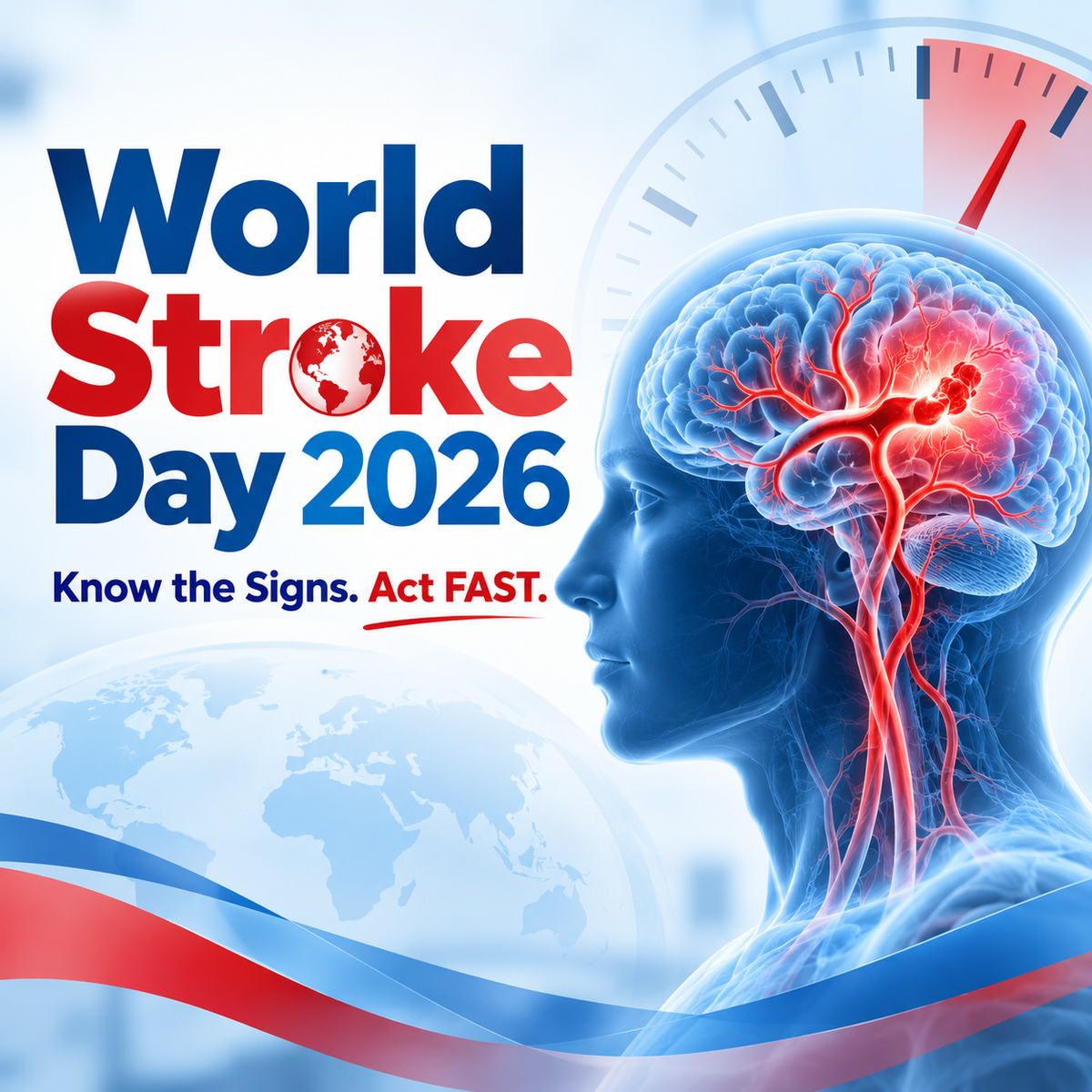
World Stroke Day 2026: Theme, Symptoms, FAST Warning Signs, Prevention and Treatment
Oct 21, 2026
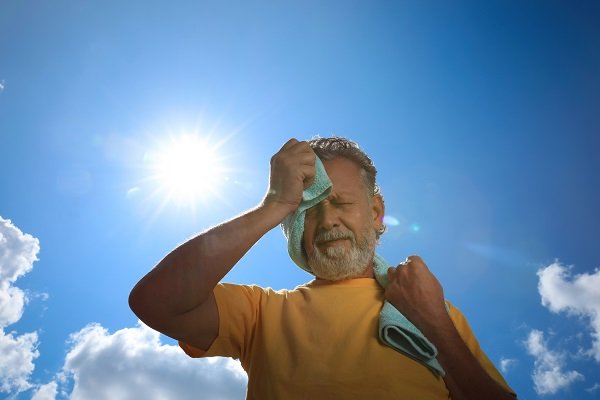
Why Being Informed Could Save Your Life in Extreme Heat
Introduction
With temperatures now soaring above 40°C in many parts of India, including areas like Faridabad, the risk of heat-related illnesses such as heatstroke is alarmingly high. As of today, the weather remains intensely hot, peaking at 42°C (107.6°F) with hazy sunshine and little to no cloud cover to offer relief. In such extreme conditions, even a short duration in the sun without proper hydration or protection can pose serious health threats.
Understanding heatstroke—how it happens, its symptoms, and who is most at risk—is crucial for everyone during this season. This blog provides an in-depth explanation of the condition and practical steps to prevent it.
What is Heatstroke?
Heatstroke is a life-threatening condition that occurs when the body overheats and cannot cool itself effectively. Normally, our body regulates its internal temperature through sweating. However, in extremely high temperatures—like those above 40°C—the body’s cooling mechanisms may fail.
When core body temperature rises above 40°C (104°F), essential proteins begin to break down, enzymes malfunction, and organs like the brain, liver, kidneys, and heart can start to fail. Heatstroke requires immediate medical attention. If left untreated, it can lead to permanent damage or even death.
Why Current Weather Increases the Risk
Currently, many regions are experiencing daytime highs above 40°C, with Faridabad reaching 42°C today. These temperatures are particularly dangerous because:
People walking, commuting, working outdoors, or even sitting in poorly ventilated homes are at high risk, particularly between 10:00 AM and 5:00 PM, when the sun is at its strongest.
Causes of Heatstroke
Several factors can lead to heatstroke, especially in the context of extreme heat:
Extended periods under direct sunlight, especially during peak heat hours, can quickly raise body temperature.
Strenuous exercise or manual labor in high temperatures, especially without rest or hydration, increases risk.
When the body is not adequately hydrated, it cannot produce enough sweat, which is its natural cooling method.
Clothing that does not allow heat and sweat to escape can trap body heat.
Individuals with heart disease, respiratory issues, or diabetes may be more vulnerable.
Drugs that affect hydration, sweat production, or blood flow can contribute to overheating.
Symptoms of Heatstroke
Recognizing symptoms early is essential. If you or someone else begins showing any of these signs, immediate action is necessary:
Even a single symptom, particularly in today’s extreme weather, should not be ignored.
Who Is Most at Risk?
Some groups are particularly vulnerable to heat-related illnesses like heatstroke:
With age, the body’s ability to regulate temperature and respond to heat stress declines.
Their body temperature rises faster than adults, and they may not recognize thirst.
Those exposed to the sun for long periods, especially without breaks or shade.
Conditions such as diabetes, heart disease, or obesity can increase risk.
Living in poorly ventilated or un-air-conditioned spaces makes it harder to escape the heat.
Preventive Measures for Today’s Heat
With temperatures above 40°C, prevention must be a top priority. Here are essential safety tips:
What to Do If Someone Has Heatstroke
If you suspect someone is suffering from heatstroke:
Conclusion
In this extreme summer heat, where temperatures are regularly climbing above 40°C, the threat of heatstroke is not something to take lightly. It is a preventable condition but can become life-threatening if ignored. Staying informed, taking precautions, and helping others do the same can make all the difference.
If you’re stepping outside today, do so wisely—your health depends on it.
Oct 21, 2026

Oct 21, 2026

Oct 21, 2026


