 Appointment
 Find A Doctor
 Lab Report
World Stroke Day 2026: Theme, Symptoms, FAST Warning Signs, Prevention and Treatment
Oct 21, 2026
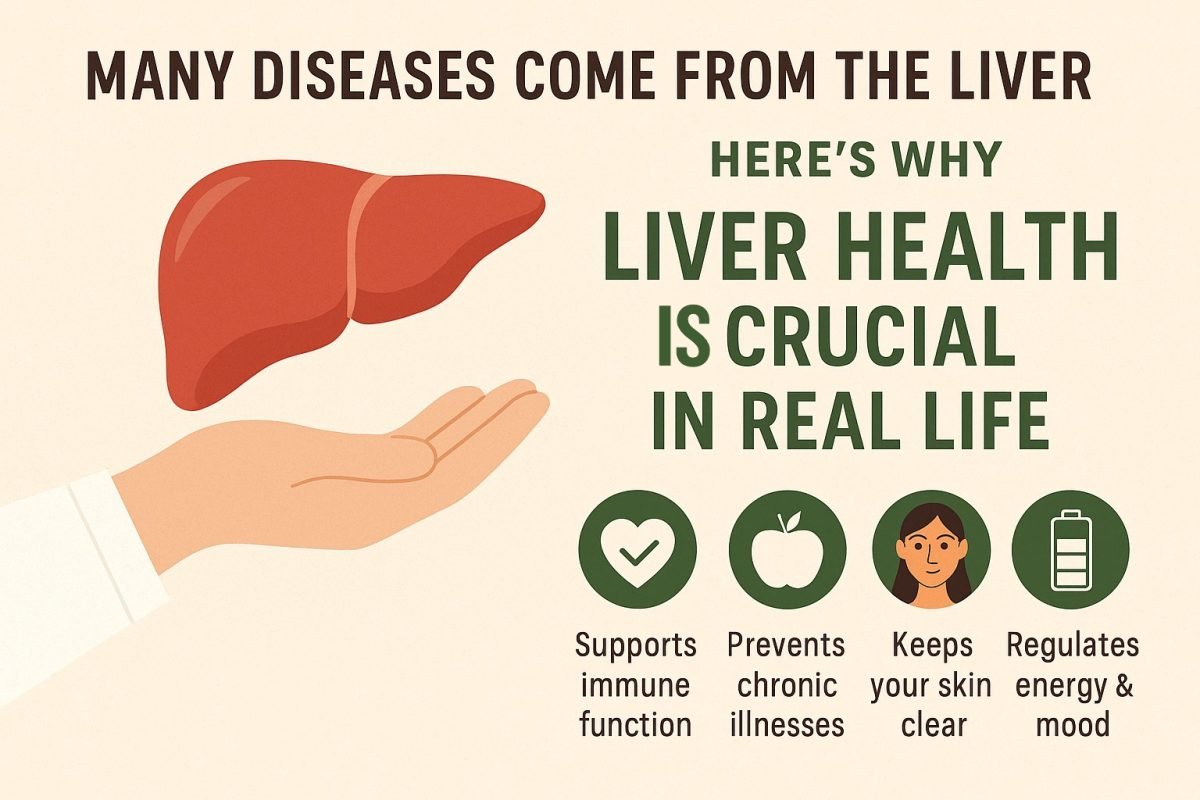
Many Diseases Come from the Liver: Here’s Why Liver Health is Crucial in Real Life
The liver is often referred to as the body’s silent engine. It runs countless functions without drawing attention—until something goes wrong. What most people don’t realize is that many common diseases actually originate from poor liver health. From fatigue and weight gain to diabetes, hormonal imbalances, and even skin problems—the root cause can often be traced back to the liver.
This blog explores how liver dysfunction contributes to various health issues, why liver care should be a top priority in everyday life, and what you can do to protect this vital organ.
The Liver: Your Body’s Multi-Tasker
The liver is the largest internal organ and plays over 500 essential roles, including:
It’s safe to say that when your liver is in trouble, your entire system starts to feel the impact.
How Diseases Start from the Liver
Even if you’re not experiencing liver pain or jaundice, liver damage can be silently developing over the years. Here’s how liver dysfunction can cause various health issues:
When the liver struggles to remove toxins, waste products can build up and affect brain function, leading to chronic fatigue and difficulty concentrating.
A sluggish liver affects fat metabolism, making it harder to lose weight. It can also lead to insulin resistance and Type 2 diabetes.
Conditions like acne, eczema, and psoriasis may worsen due to poor liver detoxification. An unhealthy liver can’t properly filter the toxins that then exit through the skin.
The liver processes hormones such as estrogen and insulin. If it’s not functioning well, it can cause hormonal disturbances leading to PMS, PCOS, or infertility.
The liver helps regulate cholesterol levels. Poor liver health may result in high cholesterol, clogged arteries, and increased blood pressure.
The liver produces bile which aids in digestion. Bile deficiency may lead to bloating, indigestion, or gallstones.
Why Liver Health is Important in Real Life
In today’s fast-paced world, stress, poor diet, lack of sleep, and overmedication are all too common. The liver bears the brunt of all these lifestyle choices. A healthy liver not only helps you digest food and process nutrients but also:
In practical, everyday terms—your ability to work efficiently, stay active, think clearly, and even look good—depends on how well your liver is functioning.
Signs Your Liver May Be Struggling
Many liver-related symptoms can be vague or misinterpreted. Watch out for:
These signs suggest it’s time to get your liver function checked.
How to Take Care of Your Liver
Focus on whole foods—vegetables, fruits, whole grains, lean proteins. Avoid highly processed, fried, or sugary items that overload the liver.
Water helps flush toxins from the body. Aim for at least 2-3 liters of water daily.
Alcohol and over-the-counter painkillers like paracetamol (acetaminophen) are major causes of liver damage when overused.
Physical activity helps prevent fatty liver and improves insulin sensitivity.
Pesticides, air pollution, and smoking can all harm your liver. Use natural cleaning products and avoid unnecessary chemical exposure.
Include foods like garlic, turmeric, beetroot, green tea, and leafy greens. These support natural detoxification.
Liver Function Tests (LFTs) can detect problems early—before symptoms appear.
A Real-Life Approach to Liver Health
Think of your liver as your personal health assistant. It works behind the scenes, ensuring your body runs smoothly. Just like regular servicing keeps your car in top shape, regular care keeps your liver functioning well—which in turn keeps you feeling energetic, clear-headed, and disease-free.
Whether you’re a working professional, a student, or a homemaker—your liver silently supports your daily performance, mental clarity, and long-term health.
Final Thoughts
Diseases often begin where we least expect them—inside an overworked liver. Taking care of your liver isn’t just about avoiding serious diseases like hepatitis or cirrhosis. It’s about enhancing your overall quality of life.
So, start today. Make small but impactful lifestyle changes. Prioritize liver care not just for your future health, but for how you feel and function every single day.
Oct 21, 2026

Oct 21, 2026

Oct 21, 2026


