 Appointment
 Find A Doctor
 Lab Report
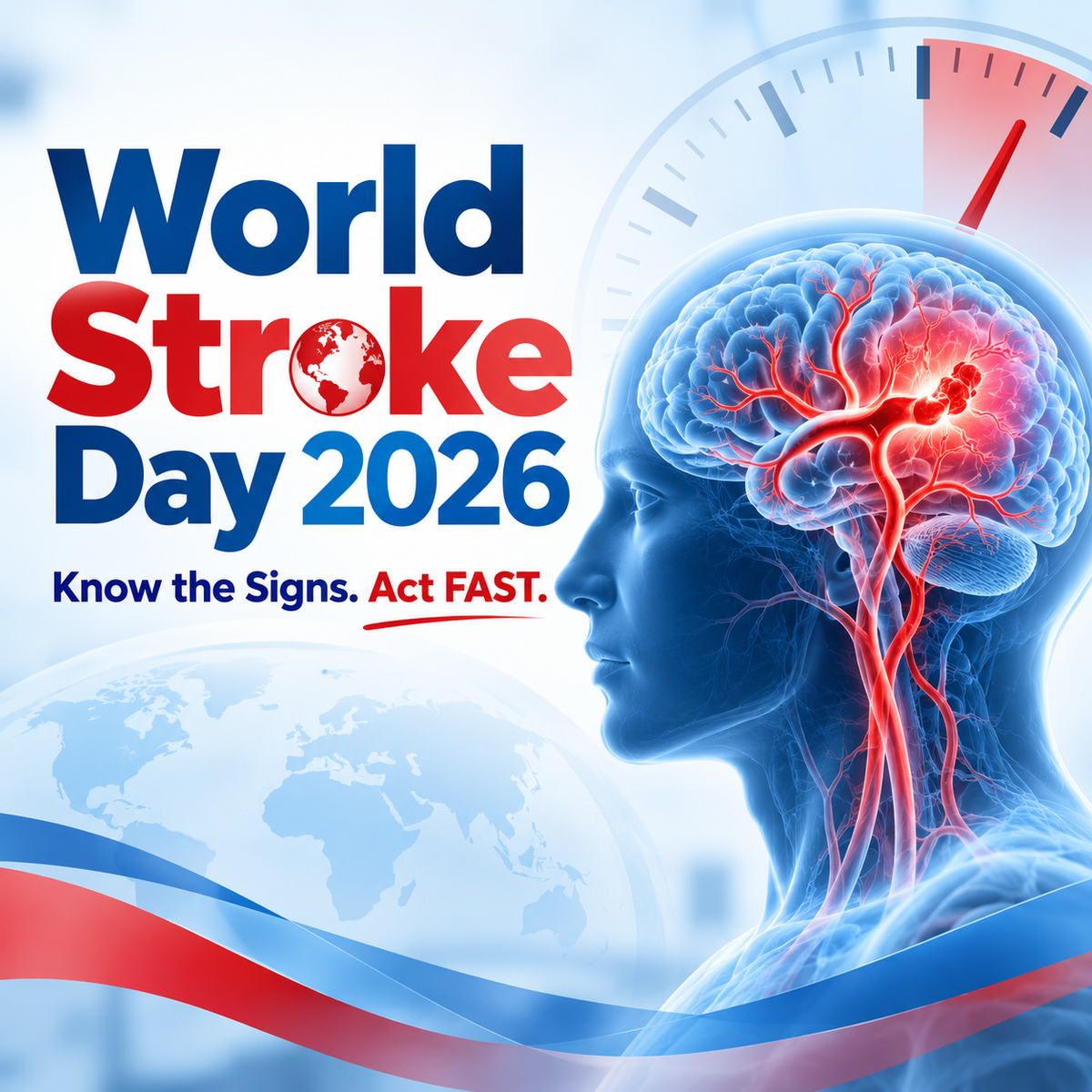
World Stroke Day 2026: Theme, Symptoms, FAST Warning Signs, Prevention and Treatment
Oct 21, 2026

Winter brings cold temperatures and foggy mornings, but it also marks a sharp rise in winter respiratory infections. During this season, infections affecting the nose, throat, and lungs become more frequent and often more severe. At Metro Hospital, Faridabad, doctors see a significant increase in respiratory cases every winter, especially among children, elderly individuals, and people with chronic illnesses.
This blog on Winter Respiratory Infections: Symptoms, Prevention, and When to See a Doctor explains why these infections are common in winter, how to identify early symptoms, and when medical care becomes necessary.
Winter respiratory infections are illnesses that affect the upper and lower respiratory tract and occur more commonly during cold weather. These infections can be caused by viruses or bacteria and may range from mild to life-threatening if not treated on time.
Common winter respiratory infections include:
Symptoms can vary depending on the type of infection and a person’s immune strength. Early recognition helps prevent complications.
A continuous dry or mucus-producing cough lasting several days is one of the most common winter respiratory symptoms.
Fever, often accompanied by shivering or chills, is a sign that the body is fighting an infection—especially common during winter flu outbreaks.
Breathing difficulty, wheezing, or chest tightness should not be ignored, particularly in elderly patients or those with asthma or COPD.
Blocked or runny nose, sneezing, throat irritation, and sinus pressure are typical signs of upper respiratory infections during winter.
Extreme tiredness, weakness, and muscle aches frequently accompany viral winter infections.
Pain while coughing or breathing deeply may indicate a serious lung infection such as pneumonia and requires immediate evaluation.
Winter creates conditions that favor the spread of respiratory infections and worsen existing lung problems.
Cold, dry air irritates the lining of the respiratory tract and weakens its natural defense system, making it easier for germs to enter the lungs.
Many respiratory viruses, including influenza, survive longer and spread faster in low temperatures and dry air.
Winter months are associated with:
These factors weaken the immune response.
People spend more time indoors during winter with poor ventilation, increasing exposure to airborne infections.
Cold air can trigger bronchospasm, worsening conditions such as:
Winter smog and pollution irritate the lungs, increasing the risk of infection and breathing difficulties.
Winter respiratory infections can progress rapidly and lead to serious complications if ignored. Delayed treatment may result in pneumonia, low oxygen levels, or hospitalization—particularly in high-risk patients.
Doctors at Metro Hospital, Faridabad strongly recommend early evaluation to ensure timely treatment and prevent severe outcomes.
Extra care is needed for:
Simple preventive measures can significantly reduce the risk of infection.
Flu vaccination is especially important during winter and helps prevent severe illness in high-risk groups.
Smoking damages lung defenses. Limiting exposure to smoke and polluted air helps protect respiratory health.
Seek medical attention if symptoms persist or worsen.
Consult a doctor immediately if you experience:
Prompt treatment at Metro Hospital, Faridabad can prevent complications and speed up recovery.
Our specialists use advanced diagnostic techniques such as:
Treatment options may include:
Winter respiratory infections are common but should never be ignored. Understanding symptoms, taking preventive steps, and knowing when to consult a doctor can make a critical difference.
If you or your loved ones are experiencing respiratory issues this winter, trust the experienced medical team at Metro Hospital, Faridabad for timely diagnosis, advanced treatment, and compassionate care.
Oct 21, 2026

Oct 21, 2026

Oct 21, 2026


