 Appointment
 Find A Doctor
 Lab Report
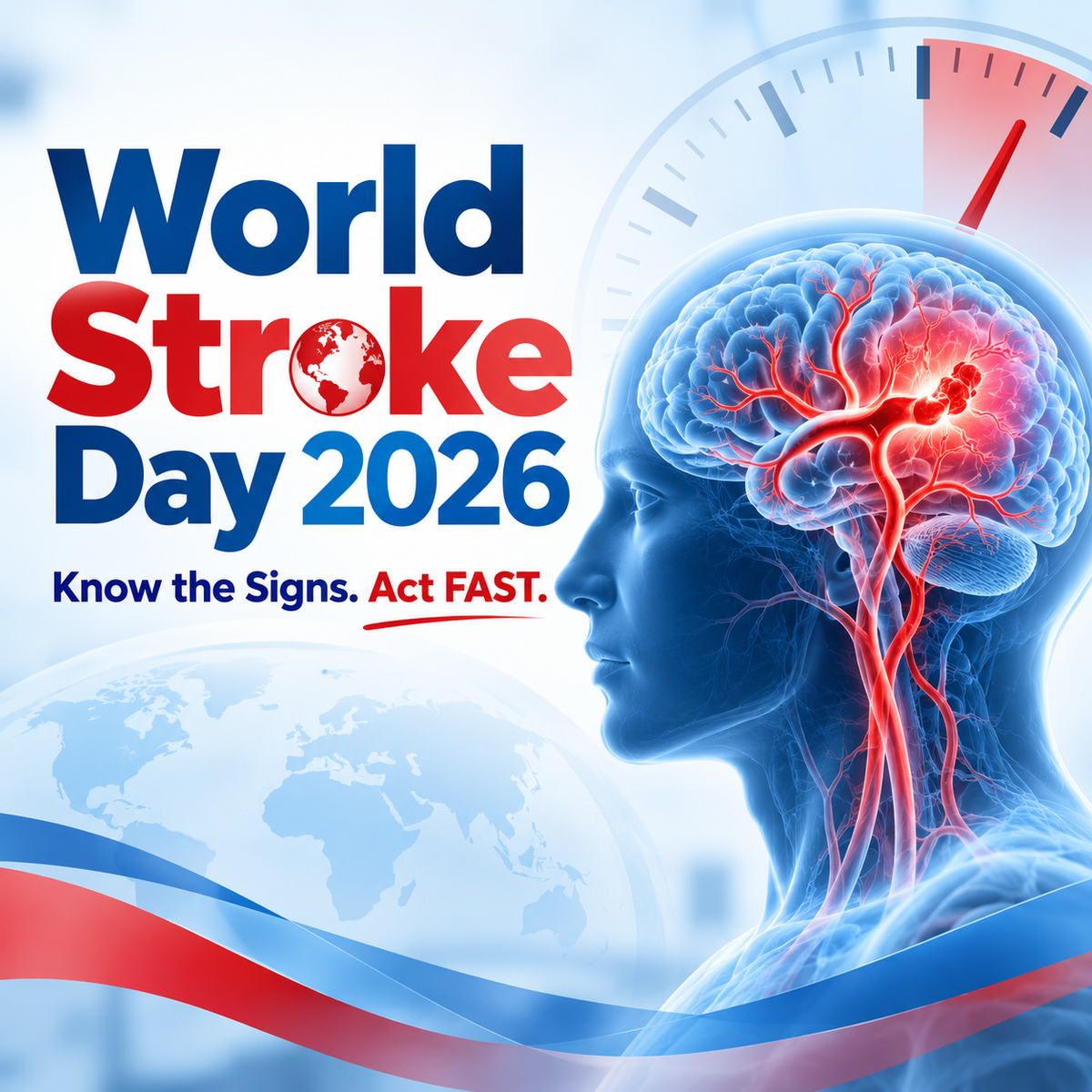
World Stroke Day 2026: Theme, Symptoms, FAST Warning Signs, Prevention and Treatment
Oct 21, 2026
Introduction
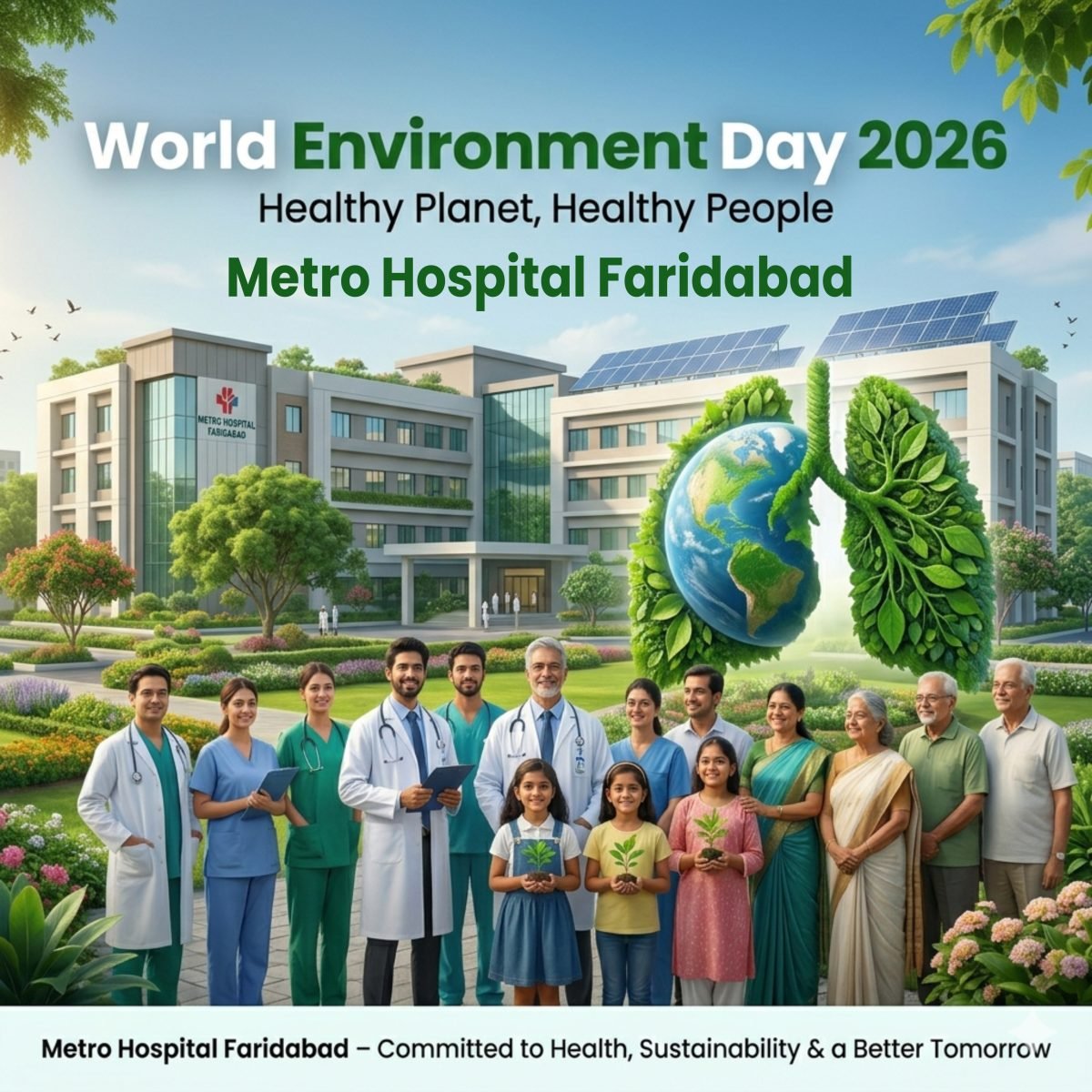
Every year on June 5, the world comes together to observe World Environment Day—a global movement dedicated to raising awareness and driving action for environmental protection. While environmental discussions often focus on forests, wildlife, pollution, and climate change, there is another critical dimension that deserves equal attention: human health.
At Metro Hospital Faridabad, we recognize that the health of our environment and the health of our communities are deeply interconnected. The air we breathe, the water we drink, the food we consume, and the ecosystems that support life all play a direct role in determining our physical and mental well-being.
World Environment Day 2026 is not merely a reminder to plant trees or reduce plastic usage; it is an opportunity to understand how environmental stewardship can become one of the most powerful preventive healthcare measures of our time.
The Environment-Health Connection: More Important Than Ever
Modern medicine has made remarkable advancements in treating diseases, but many health conditions originate from environmental factors. According to global health research, environmental risks contribute significantly to respiratory diseases, cardiovascular disorders, cancers, infectious diseases, and mental health challenges.
When environmental quality declines, communities experience:
Protecting the environment is therefore not only an ecological responsibility—it is a public health necessity.
Air Pollution: The Silent Health Emergency
Air pollution remains one of the most significant environmental threats to human health, especially in rapidly urbanizing regions.
Exposure to polluted air can contribute to:
Respiratory Disorders
Fine particulate matter can penetrate deep into the lungs, increasing the risk of:
Children and older adults are particularly vulnerable to these conditions.
Cardiovascular Diseases
Research increasingly shows a strong link between air pollution and:
Long-term exposure places additional strain on the cardiovascular system and can accelerate disease progression.
Impact on Children
Children exposed to poor air quality may experience:
Creating cleaner air today helps protect future generations from preventable health complications.
Climate Change and Human Health
Climate change is no longer a distant environmental concern. Its effects are being experienced across the globe through rising temperatures, extreme weather events, changing disease patterns, and food insecurity.
Heat-Related Illnesses
Increasing temperatures can lead to:
Individuals with chronic illnesses such as diabetes, hypertension, and heart disease face even greater risks during heat waves.
Changing Disease Patterns
Warmer temperatures and altered rainfall patterns create favorable conditions for disease-carrying insects.
This may contribute to increased transmission of:
Healthcare systems must adapt to these changing patterns while communities focus on prevention.
Mental Health Challenges
Climate-related disasters can result in:
Environmental well-being and mental well-being are more closely connected than many people realize.
Water Quality: A Foundation of Public Health
Clean water is essential for life, yet water contamination continues to affect millions worldwide.
Unsafe water can lead to:
Healthcare professionals consistently emphasize the importance of:
Protecting water resources is one of the most effective strategies for disease prevention.
Green Spaces and Better Health
Urban green spaces offer much more than aesthetic beauty.
Parks, gardens, and tree-lined communities contribute to:
Improved Mental Health
Access to nature has been associated with:
Physical Activity
Green spaces encourage:
These activities help reduce obesity and improve cardiovascular health.
Cleaner Air
Trees naturally filter pollutants and contribute to healthier urban environments.
Expanding green infrastructure can therefore support both environmental and public health goals.
Sustainable Healthcare: The Role of Hospitals
Healthcare institutions play a unique role in environmental stewardship.
Hospitals not only treat illnesses caused by environmental factors but can also lead sustainability initiatives by:
At Metro Hospital Faridabad, we believe that healthcare excellence includes responsibility toward environmental sustainability. Every effort to reduce environmental impact contributes to healthier communities and a healthier future.
What Individuals Can Do This World Environment Day
Positive environmental change begins with everyday actions.
Reduce Single-Use Plastics
Choose reusable alternatives whenever possible:
Conserve Energy
Simple habits can make a difference:
Save Water
Water conservation remains critical:
Plant and Protect Trees
Trees help:
Choose Sustainable Transportation
Whenever feasible:
These choices help reduce air pollution and improve community health.
The Future We Build Today
World Environment Day 2026 serves as a powerful reminder that environmental protection is not separate from healthcare—it is an essential part of it.
The choices we make today regarding waste management, energy use, pollution control, and conservation will shape the health outcomes of future generations. A cleaner environment means fewer diseases, healthier communities, and a higher quality of life for all.
As healthcare professionals, environmental advocates, and responsible citizens, we share a common goal: creating a world where both people and nature can thrive.
Conclusion
On this World Environment Day 2026, Metro Hospital Faridabad encourages every individual, family, organization, and community to embrace sustainable practices and contribute to a healthier planet.
Environmental responsibility is not only about protecting ecosystems—it is about safeguarding human health, preventing disease, and ensuring a better future for generations to come.
A healthy environment is the foundation of a healthy society. Together, through awareness, action, and commitment, we can build a greener, cleaner, and healthier world.
Metro Hospital Faridabad
Committed to advancing health, wellness, and sustainable healthcare for a better tomorrow.
Oct 21, 2026

Oct 21, 2026
Oct 21, 2026


