 Appointment
 Find A Doctor
 Lab Report
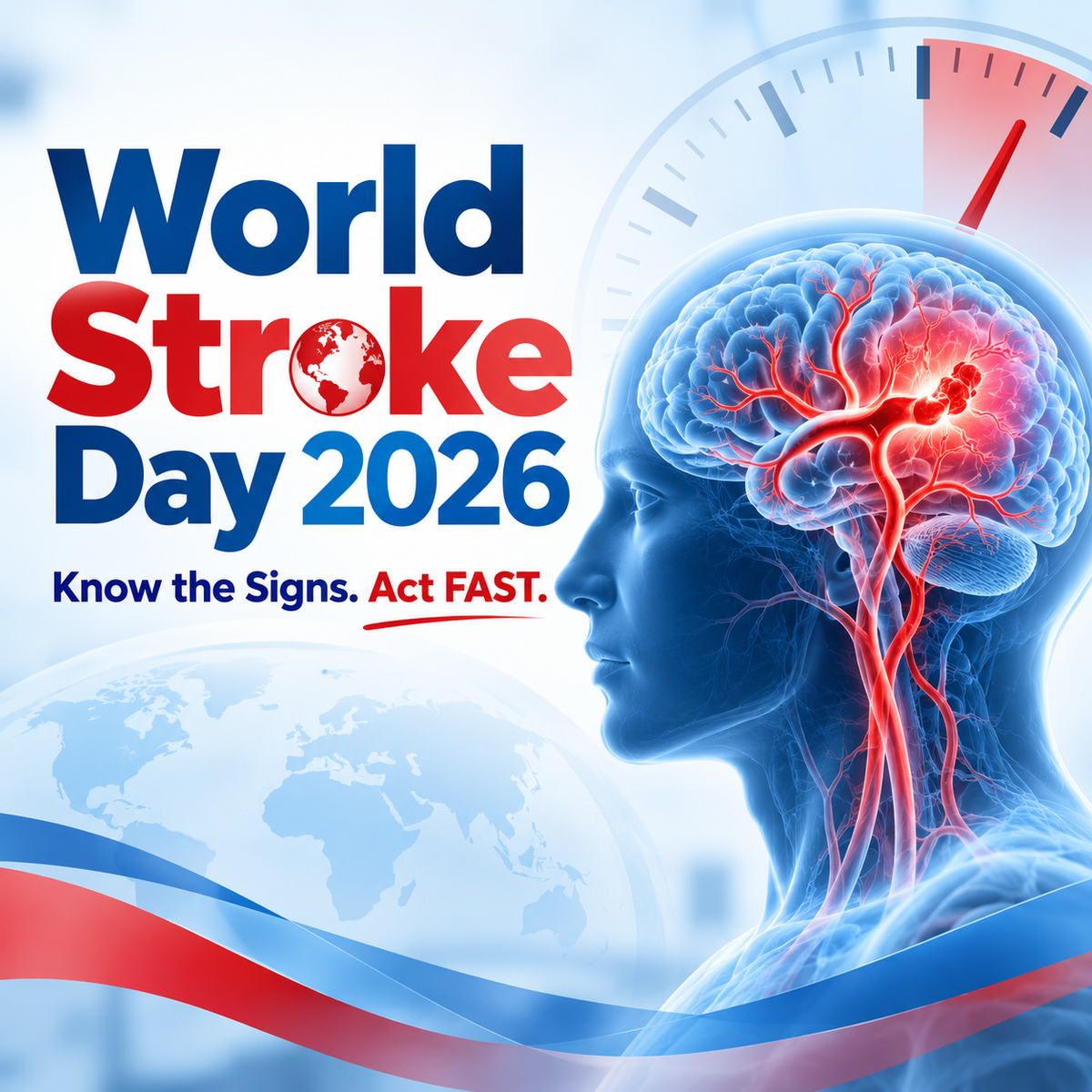
World Stroke Day 2026: Theme, Symptoms, FAST Warning Signs, Prevention and Treatment
Oct 21, 2026
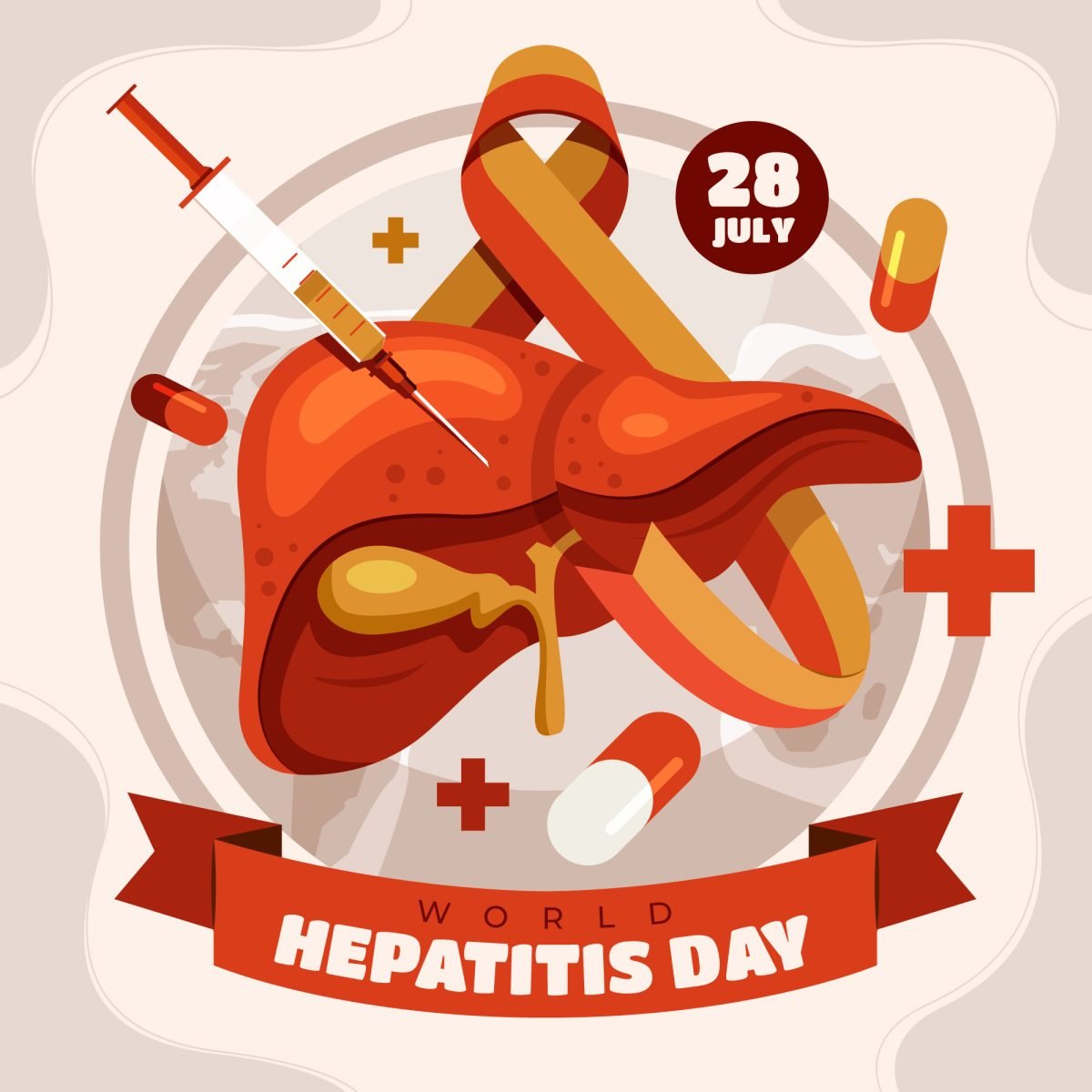
“Hepatitis: Let’s Break the Silence”
1. A Day That Matters
World Hepatitis Day is observed annually on July 28th.
This globally observed day shines a spotlight on the urgent need to tackle viral hepatitis—a cluster of serious liver infections impacting millions across the world. It also pays tribute to Dr. Baruch Blumberg, whose ground breaking discovery of the hepatitis B virus and development of its vaccine changed the course of medical history.
At Metro Hospital Faridabad, we join this global mission by focusing on creating awareness, offering medical support, and encouraging timely diagnosis and prevention strategies within our community.
2. Demystifying Hepatitis
2.1 What is Hepatitis?
Hepatitis means inflammation of the liver. It can be caused by viruses, alcohol use, certain medications, or autoimmune diseases. Of the five main types of hepatitis (A, B, C, D, and E), types B and C are of particular concern due to their potential to cause chronic infection and liver complications.
Hepatitis A and E are mostly transmitted through the consumption of food or water that has been contaminated, often due to poor sanitation or hygiene practices.
They generally cause acute illness but are not long-lasting.
Hepatitis B, C, and D: Transmitted through blood and bodily fluids. These can become chronic and lead to serious liver damage.
2.2 Why It Matters
The liver plays a vital role in metabolism and detoxification. When inflamed, its function is compromised. Chronic hepatitis can lead to cirrhosis, liver failure, and even liver cancer. Most people with hepatitis B or C don’t know they’re infected until damage has already been done.
3. India’s Challenge with Hepatitis
3.1 Burden of Disease
India faces a large share of the global hepatitis burden:
Around 40 million people in India live with chronic hepatitis B.
Hepatitis C affects another 6 to 12 million people.
These numbers show that India accounts for a substantial percentage of global infections.
3.2 High-Risk Areas
Infections are more common in regions with poor sanitation, limited healthcare access, and lack of awareness. Urban slums and rural areas are particularly vulnerable due to unsafe medical practices and inadequate education about the disease.
3.3 Emerging Trends
Some states have recently reported increases in hepatitis B cases, especially among pregnant women. At the same time, greater availability of antiviral medications has helped reduce hepatitis C cases. Changes in hygiene practices have made hepatitis A more common among adults than before.
4.World Hepatitis Day 2025: A Time for Awareness and Action
4.1 Global Theme
The theme for this year is “Hepatitis: Let’s Break the Silence.” It calls on governments, healthcare providers, and the public to work together to improve awareness, testing, treatment, and prevention.
4.2 Significance for India
In India, public awareness of hepatitis remains low. Many are unaware of how the disease spreads, what its symptoms are, or that a vaccine exists for hepatitis B. This day offers an opportunity to close that knowledge gap.
5. Myths vs. Facts
Dispelling myths is key to effective prevention. Let’s take a look at some widespread myths and misunderstandings surrounding hepatitis:
Myth: Only people with poor hygiene get hepatitis.
Fact: Anyone can contract hepatitis through infected blood, unsafe sex, or contaminated food and water.
Myth: Only individuals who drink alcohol are at risk of hepatitis.
Fact: Viral hepatitis can affect non-drinkers and is unrelated to alcohol use.
Myth: All types of hepatitis are curable.
Fact: Some types can be cured (like hepatitis C), while others (like hepatitis B) can only be managed.
Myth: You can’t have hepatitis if you don’t have any symptoms.
Fact: Many people with chronic hepatitis show no symptoms until liver damage has progressed.
6. Metro Hospital Faridabad: Leading the Change
6.1 Free Screening Initiative
This year, Metro Hospital will offer free screening for hepatitis B and C. Early detection remains the best defense against long-term complications.
6.2 Vaccination Programs
We are organizing free hepatitis B vaccination drives, with a focus on unvaccinated adults and children born outside of hospital facilities.
6.3 Educational Outreach
Doctors and medical staff will conduct sessions in schools, colleges, and community centers to educate the public about how hepatitis spreads and how to prevent it.
6.4 Internal Training
All staff members are undergoing updated training to ensure safe injection practices, effective counseling, and proper patient handling protocols.
6.5 Partnering with Communities
Through collaboration with local groups and non-profits, we are extending our reach to underprivileged areas, distributing printed materials in Hindi and other local languages.
7. What You Can Do
7.1 Assess Your Risk
You should consider getting tested if you:
Have received a blood transfusion before 2000
Share personal items like razors or toothbrushes
Were born to a hepatitis-infected mother
Use injectable drugs
Have had multiple sexual partners without protection
7.2 Get Tested
Testing is simple and affordable. Blood tests can identify hepatitis B and C. Early detection leads to better treatment outcomes.
7.3 Get Vaccinated
The hepatitis B vaccine is safe and effective. It’s part of India’s national immunization schedule and available at most hospitals and clinics.
7.4 Follow Medical Advice
If diagnosed, follow your doctor’s recommendations. Hepatitis C is curable, and hepatitis B can be managed effectively with medication.
7.5 Make Healthy Choices
Eating well, avoiding alcohol, staying active, and maintaining hygiene all support liver health and overall well-being.
7.6 Speak Up
Encourage open conversations around hepatitis. Help eliminate stigma by sharing knowledge and showing compassion.
8. A Shared Responsibility
Eliminating hepatitis requires a collective effort. While governments and institutions must lead policy and infrastructure development, individuals play a crucial role in spreading awareness and seeking timely care.
At Metro Hospital, we are dedicated to this mission. Our team works year-round to identify patients, offer support, and promote practices that reduce hepatitis transmission.
9. Final Thoughts
Hepatitis is a serious but preventable and manageable health issue. Early testing, vaccination, and informed healthcare decisions are vital to combating its impact.
As we observe World Hepatitis Day, we encourage everyone to take meaningful steps toward prevention and awareness:
Learn about the different types of hepatitis
Go for a hepatitis screening and motivate those around you to get tested as well.
Advocate for vaccination and safe medical practices
Support individuals living with the disease
Oct 21, 2026

Oct 21, 2026
Oct 21, 2026


