 Appointment
 Find A Doctor
 Lab Report
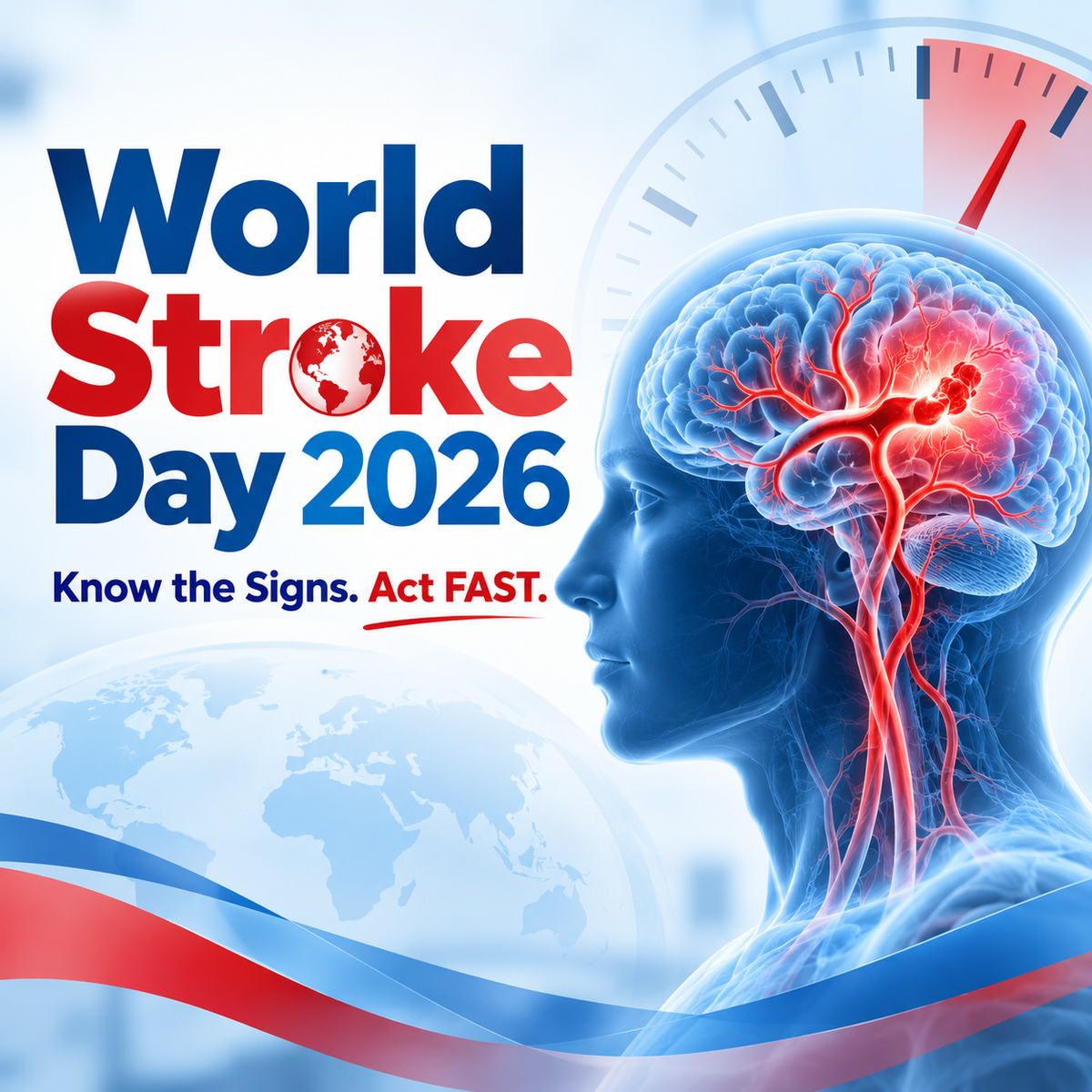
World Stroke Day 2026: Theme, Symptoms, FAST Warning Signs, Prevention and Treatment
Oct 21, 2026
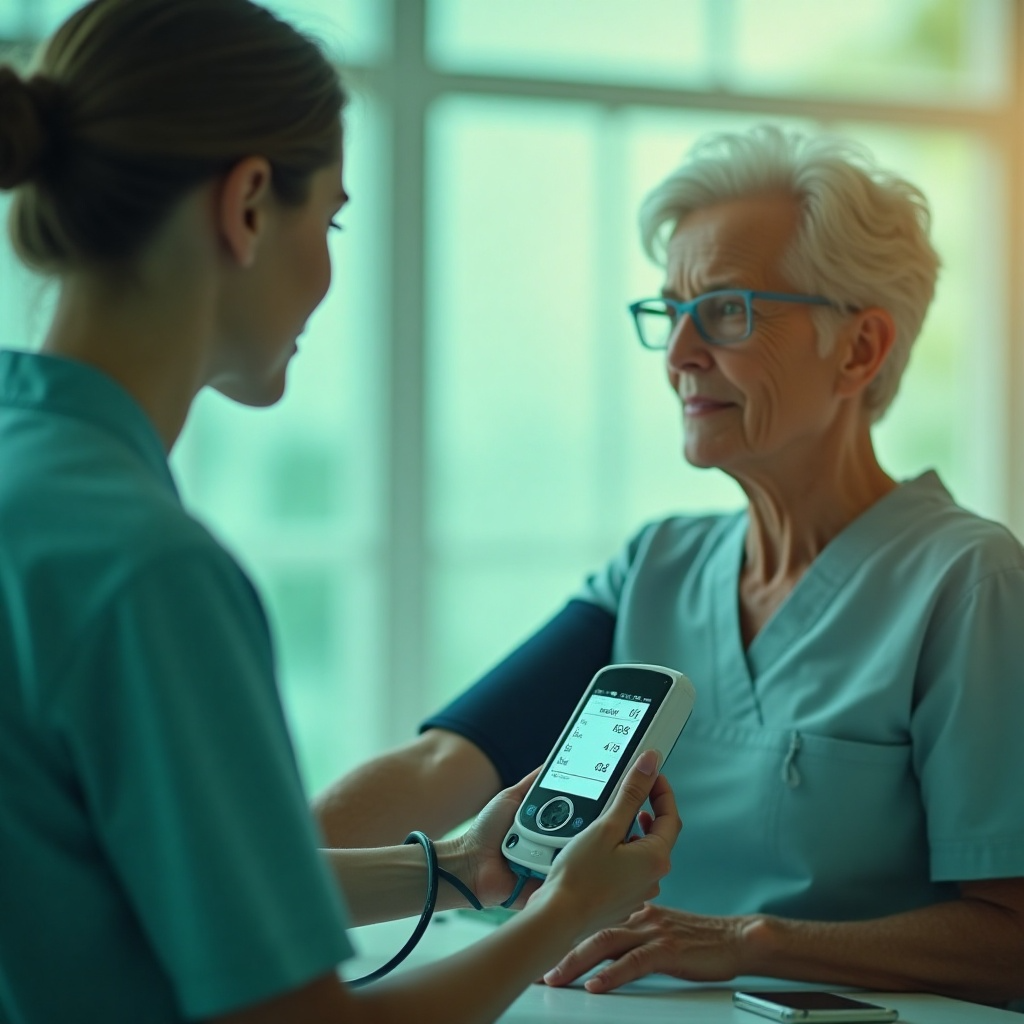
Hypertension, commonly known as high blood pressure, has become one of the most pressing public health concerns in India. On this World Hypertension Day, Metro Hospital Faridabad encourages every citizen to take this silent threat seriously. High blood pressure is not just a number; it’s a signal that your heart and arteries are under strain — and ignoring it can lead to serious health complications.
The theme this year, “Measure Your Blood Pressure Accurately, Control It, Live Longer”, urges individuals to stay proactive and responsible toward their heart health.
The Indian Scenario: Why You Should Worry
Hypertension is rising at an alarming rate in India. According to the National Family Health Survey (NFHS-5):
Hypertension is responsible for 57% of stroke-related deaths and 24% of coronary heart disease deaths in the country. These numbers reveal the gravity of the issue — but the good news is, it can be managed and controlled effectively.
What Is Hypertension?
Hypertension occurs when the pressure of blood against the artery walls remains consistently high. This continuous pressure can damage vital organs such as the heart, kidneys, brain, and eyes over time. The condition develops gradually, often without symptoms, which is why it is commonly referred to as the “Silent Killer.”
Blood Pressure Levels:
How Do You Know If You Have Hypertension?
Since hypertension is mostly symptomless, it often goes unnoticed. However, in some cases, symptoms may include:
These signs are usually noticeable only when blood pressure reaches dangerously high levels. Therefore, routine blood pressure checks are essential, especially if you’re over 30, have a sedentary lifestyle, or a family history of hypertension.
When Should You See a Doctor?
You should consult a doctor if:
Early diagnosis can prevent long-term damage to your organs and reduce the risk of heart attack, stroke, and kidney failure.
Who Treats Hypertension?
At Metro Hospital Faridabad, hypertension is primarily managed by:
What Does Hypertension Treatment Involve?
Treatment for high blood pressure focuses on both lifestyle changes and, if necessary, medication. At Metro Hospital Faridabad, a comprehensive approach is adopted:
Why Hypertension Is Rising in India
Several India-specific factors have contributed to the growing burden of hypertension:
What You Can Do Today
This World Hypertension Day, make a conscious decision to:
Metro Hospital Faridabad: Your Trusted Partner in Heart Health
At Metro Hospital Faridabad, we offer:
We’re committed to making Faridabad a healthier city — one heartbeat at a time.
Final Thoughts
Hypertension may be silent, but your response to it shouldn’t be. This World Hypertension Day, let’s pledge to stay informed, get tested, and take control of our health.
Oct 21, 2026
Oct 21, 2026
Oct 21, 2026


