 Appointment
 Find A Doctor
 Lab Report

World Stroke Day 2026: Theme, Symptoms, FAST Warning Signs, Prevention and Treatment
Oct 21, 2026
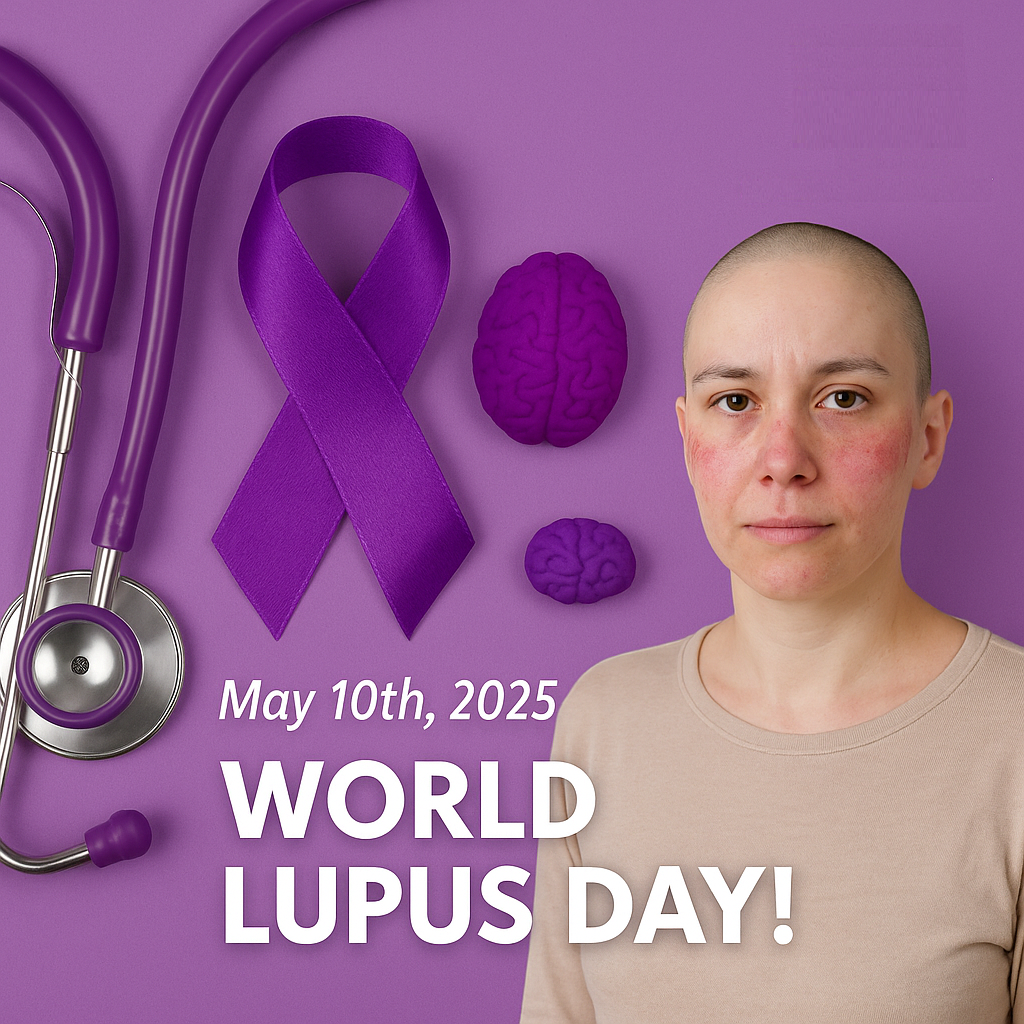
Every year on May 10, the global community comes together to observe World Lupus Day — a day dedicated to raising awareness about lupus, a chronic autoimmune disease that affects millions of people worldwide. Though lupus is not always visible, its impact on physical and emotional health can be deeply profound.
Let’s explore what this day stands for, the origin of its observance, what lupus is, symptoms, precautions, treatments, and the care needed before and after medical support.
Who Created World Lupus Day?
World Lupus Day was first initiated in 2004 by the Lupus Foundation of America and supported by lupus organizations worldwide. The campaign began as a collaborative effort by patients, healthcare professionals, and advocacy groups to:
Since then, May 10 has become a global platform to advocate for those who often suffer in silence.
What is Lupus?
Lupus is a chronic autoimmune disease where the immune system, instead of protecting the body from infections, attacks healthy tissues and organs. This can lead to inflammation, pain, and damage in various parts of the body — including the skin, joints, kidneys, heart, lungs, and brain.
There are several types of lupus, but the most common form is Systemic Lupus Erythematosus (SLE).
Why is World Lupus Day Important?
World Lupus Day helps reduce stigma, encourages early medical attention, and drives global research efforts.
Symptoms of Lupus
Lupus is known as “the great imitator” because its symptoms resemble those of other diseases. Common signs include:
Symptoms may come and go, known as flare-ups, and vary in intensity from person to person.
Precautions to Manage Lupus
Lupus patients can lead fulfilling lives by taking some key precautions:
These steps help reduce the frequency and severity of lupus flare-ups.
Treatment Options for Lupus
There is no permanent cure for lupus, but treatment aims to control symptoms and prevent organ damage.
Common treatment methods include:
Treatment is personalized depending on how lupus affects each individual.
Pre-Treatment Care (Pre-Care)
Before starting lupus treatment:
Post-Treatment Care (Post-Care)
After treatment begins:
Long-term care and lifestyle adjustments are crucial for managing this lifelong condition.
How You Can Support World Lupus Day
Your awareness and empathy can make a world of difference.
Final Thoughts
World Lupus Day isn’t just about awareness—it’s about compassion, action, and support. Lupus may be complex, but with early diagnosis, treatment, and care, people with lupus can still lead meaningful lives. Let’s stand in solidarity with every warrior fighting this silent battle and advocate for more education, research, and empathy.
Together, we can help make lupus visible.
Oct 21, 2026

Oct 21, 2026

Oct 21, 2026


