Appointment
 Find A Doctor
 Lab Report
Asthma Signs and Symptoms: Early Warning Signs, Causes, Diagnosis and Treatment
Oct 22, 2026
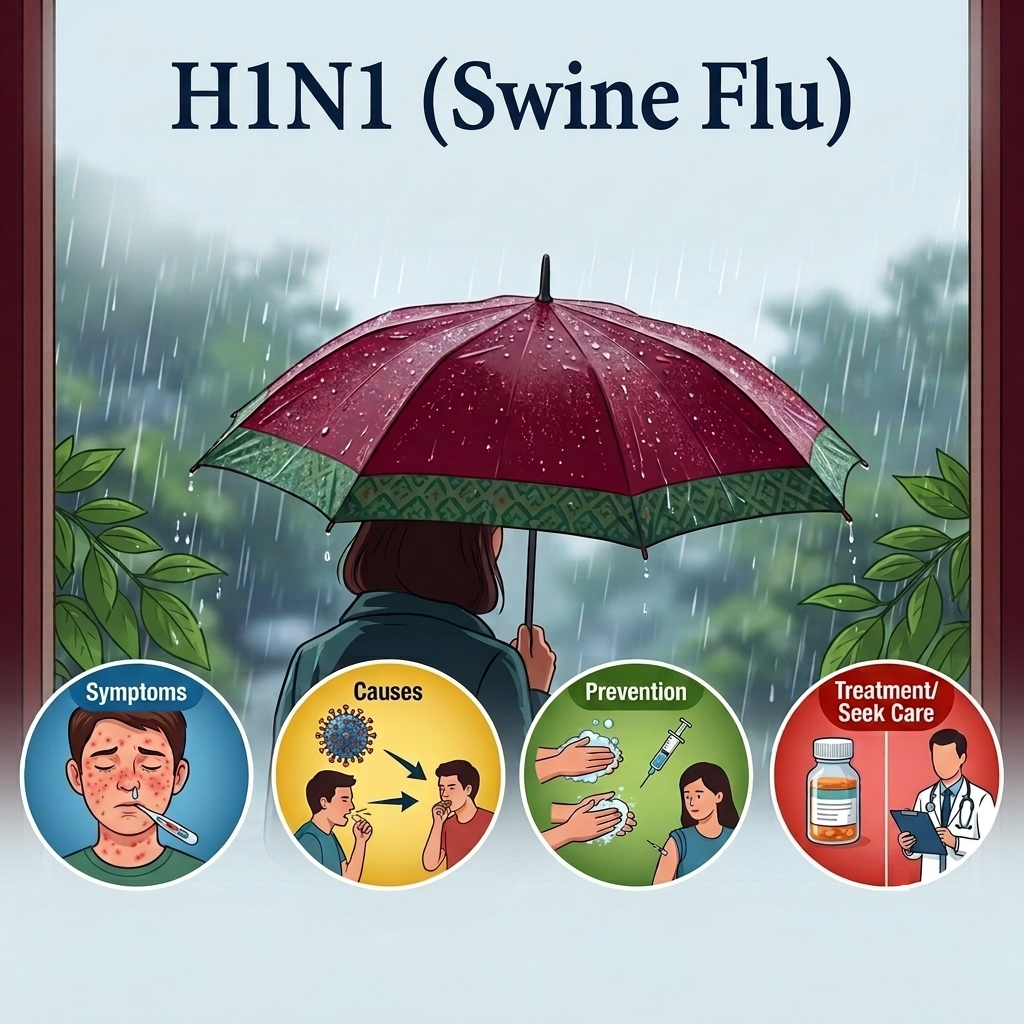
Seasonal changes can bring relief from extreme weather, but they can also increase the spread of respiratory infections. Every year, healthcare facilities across India see patients suffering from influenza, H1N1 (swine flu), viral fever, cough, and other respiratory infections. Since H1N1 often begins with symptoms such as fever, cough, sore throat, body pain and tiredness, many people may mistake it for a common cold or viral fever.
While most people recover from H1N1 without serious problems, the infection can sometimes become severe and may lead to complications such as pneumonia and breathing difficulties, particularly in older adults, young children, pregnant women, and people with conditions such as asthma, COPD, diabetes or heart disease.
H1N1 continues to circulate as a seasonal influenza virus in India. In 2026, health authorities have reported increased seasonal influenza activity in parts of the country, while monitoring continues to ensure that any significant changes in circulating influenza viruses are identified early.
At Metro Hospital, Faridabad, our experienced doctors and healthcare teams provide comprehensive evaluation and medical care for patients presenting with fever, influenza-like symptoms, respiratory infections and breathing difficulties. With appropriate clinical assessment and diagnostic support, patients can receive timely treatment based on the severity of their condition.
What Is H1N1 (Swine Flu)?
H1N1 is a type of Influenza A virus that causes respiratory infection. It became widely known during the 2009 influenza pandemic and is commonly referred to as “swine flu.” Today, H1N1 is considered one of the seasonal influenza viruses that circulate among people.
The infection primarily affects the respiratory system and can spread from one person to another through respiratory droplets and particles released when an infected person coughs, sneezes or talks. It can also spread when contaminated surfaces are touched and a person subsequently touches their eyes, nose or mouth.
H1N1 can affect people of all ages. However, certain individuals are more likely to develop complications and may require closer medical monitoring.
Is H1N1 Still Common in India?
Yes. H1N1 has not disappeared after the 2009 pandemic. It continues to circulate as a seasonal influenza virus in India and other countries.
Influenza activity can vary by region and season. Changes in weather, indoor crowding, ventilation and increased person-to-person contact can contribute to the spread of respiratory infections.
Recent seasonal influenza activity in India has once again brought attention to H1N1 and other influenza viruses. However, it is important to understand that not every fever, cough or cold is H1N1. Several respiratory viruses can produce similar symptoms.
If symptoms are severe, persistent or worsening, consulting a doctor can help determine the appropriate course of action.
How Does H1N1 Spread?
H1N1 is primarily transmitted through respiratory particles from an infected person.
The infection can spread when:
This is why maintaining good hand hygiene, covering coughs and sneezes, improving ventilation and avoiding close contact when sick can help reduce the spread of infection.
What Are the Symptoms of H1N1?
H1N1 symptoms can appear suddenly and may resemble those of other viral respiratory infections.
Common symptoms include:
Not everyone will experience all these symptoms. The severity can also vary considerably from one person to another.
H1N1 vs Common Cold
H1N1 and the common cold can have overlapping symptoms, which can make them difficult to distinguish.
A common cold often develops gradually and is generally mild. Influenza, including H1N1, may begin more suddenly and is more likely to cause fever, significant body aches, fatigue and a persistent cough.
However, symptoms alone cannot always confirm H1N1. A doctor may recommend testing depending on the patient’s symptoms, medical history and risk factors.
Who Is More Vulnerable to Severe H1N1?
Although healthy individuals often recover from influenza without major complications, H1N1 can be more serious for certain groups.
People who may be at greater risk include:
If someone in a high-risk group develops flu-like symptoms, early medical consultation is advisable rather than waiting for symptoms to become severe.
Can H1N1 Cause Pneumonia?
Yes. In some patients, influenza can affect the lower respiratory tract and lead to complications such as viral pneumonia. It may also increase the risk of secondary bacterial pneumonia.
Warning signs that may indicate a more serious respiratory infection include:
These symptoms require prompt medical attention.
How Is H1N1 Diagnosed?
H1N1 may initially be suspected based on symptoms, physical examination and the patient’s medical history.
Depending on the situation, a doctor may recommend a laboratory test to identify influenza infection. Testing may be particularly useful in patients with severe symptoms, those at higher risk of complications, or when confirmation is clinically important.
It is important to remember that not every patient with fever and cough needs an H1N1 test. Your doctor will determine whether testing is appropriate based on your individual circumstances.
How Is H1N1 Treated?
Treatment depends on the severity of the infection and the patient’s overall health.
For many people with mild influenza, treatment may focus on:
For patients at higher risk or those with more serious influenza, doctors may prescribe an antiviral medication such as oseltamivir when appropriate.
Antiviral medicines should be taken only under medical guidance. Do not start antibiotics or antiviral medicines on your own.
Do Antibiotics Treat H1N1?
No. H1N1 is caused by a virus, while antibiotics are used to treat bacterial infections.
Doctors may prescribe antibiotics if there is evidence or strong suspicion of a secondary bacterial infection, such as bacterial pneumonia. Taking antibiotics unnecessarily does not cure influenza and can contribute to antibiotic resistance.
How Can You Prevent H1N1?
Taking simple precautions can help reduce the risk of influenza transmission.
Maintain Hand Hygiene
Wash your hands regularly with soap and water, particularly after coughing, sneezing or being in crowded public places.
Cover Your Cough and Sneeze
Use a tissue or your elbow when coughing or sneezing. Dispose of used tissues properly and wash your hands afterward.
Avoid Close Contact When Sick
If you have fever, cough or other flu-like symptoms, limit close contact with others and avoid going to work, school or crowded places when possible.
Improve Indoor Ventilation
Keeping indoor spaces well ventilated can help reduce the concentration of respiratory particles.
Consider Seasonal Flu Vaccination
Seasonal influenza vaccination can help reduce the risk of influenza and its complications. People at higher risk should discuss vaccination with their doctor to determine whether it is appropriate for them.
Avoid Self-Medication
Do not take antibiotics or antiviral medicines without medical advice. Proper diagnosis and treatment can help prevent unnecessary medication and complications.
H1N1 During Monsoon and Seasonal Changes in India
Influenza can circulate throughout the year in India, although the intensity of influenza activity can vary between regions and seasons.
During periods when respiratory infections increase, people may notice more cases of fever, cough, sore throat, body aches and breathing-related complaints.
This is why it is important not to ignore persistent symptoms or automatically assume that every fever is simply a seasonal viral infection.
H1N1 in Faridabad and Delhi-NCR
Faridabad and the wider Delhi-NCR region have a large population with significant daily movement between residential areas, offices, schools, markets and public transportation.
Close contact in crowded environments can make respiratory infections easier to transmit.
If you are experiencing persistent fever, severe cough, unusual weakness, breathing difficulty or worsening flu-like symptoms, timely medical evaluation can help identify the cause and determine whether further testing or treatment is required.
At Metro Hospital, Faridabad, patients can receive medical evaluation and appropriate care for influenza-like illnesses and respiratory symptoms based on their individual clinical condition.
When Should You See a Doctor for H1N1 Symptoms?
You should consult a doctor if your symptoms are persistent, severe or getting worse.
Seek medical attention promptly if you experience:
People who are pregnant, elderly, very young, immunocompromised or living with chronic conditions should consider seeking medical advice earlier.
H1N1: Myths and Facts
Myth: Every fever and cough is H1N1.
Fact: Many viral infections can cause similar symptoms. Medical evaluation may be required to determine the cause.
Myth: Antibiotics cure H1N1.
Fact: H1N1 is a viral infection, so antibiotics do not directly treat it.
Myth: H1N1 is always dangerous.
Fact: Many people recover without serious complications, but severe illness can occur, especially in high-risk individuals.
Myth: H1N1 disappeared after the 2009 pandemic.
Fact: H1N1 continues to circulate as a seasonal influenza virus.
Myth: You should wait until symptoms become severe before seeing a doctor.
Fact: Early medical advice can be particularly important for people at higher risk of complications.
Frequently Asked Questions About H1N1
Is H1N1 still present in India?
Yes. H1N1 continues to circulate as one of the seasonal influenza viruses in India.
How long does H1N1 last?
Many people start recovering within about a week, although cough and tiredness may continue for longer.
Can H1N1 cause pneumonia?
Yes. Influenza can sometimes cause viral pneumonia or contribute to secondary bacterial pneumonia.
Is there a vaccine for H1N1?
Seasonal influenza vaccines include protection against H1N1 strains. Speak with your doctor about whether seasonal influenza vaccination is appropriate for you.
Can H1N1 be treated at home?
Mild cases in otherwise healthy individuals can often be managed with rest, fluids and symptom management. However, medical advice is important when symptoms are severe, worsening or occurring in someone at higher risk.
When is H1N1 an emergency?
Breathing difficulty, chest pain, bluish lips or face, confusion, severe weakness, coughing blood or rapidly worsening symptoms require urgent medical evaluation.
Conclusion
H1N1 is a seasonal influenza infection that continues to circulate in India. While many patients recover with appropriate supportive care, the infection can occasionally cause serious complications, particularly in people who are more vulnerable.
Recognizing symptoms early, maintaining good hygiene, avoiding close contact when sick, considering seasonal influenza vaccination where appropriate and seeking timely medical care can help reduce the risk of complications.
If you or someone in your family develops persistent fever, severe cough, body aches, breathing difficulty or worsening flu-like symptoms, do not rely solely on self-medication.
At Metro Hospital, Faridabad, our medical team provides evaluation and treatment for patients with influenza-like illnesses and respiratory symptoms, with care tailored to the patient’s condition and medical needs.
When respiratory symptoms don’t feel like a normal cold, timely medical attention can make a difference.
Medical Disclaimer: This article is intended for general health awareness and educational purposes only. It should not be considered a substitute for professional medical diagnosis or treatment. If you have severe, persistent or worsening symptoms, consult a qualified healthcare professional promptly.
Asthma is a chronic respiratory condition that affects the airways and can make breathing difficult. For some people, symptoms are...

A Tribute by Metro Hospital Faridabad Every year on May 12, the world comes together to celebrate International Nurses Day...