Appointment
 Find A Doctor
 Lab Report

Cancer Warning Signs: 12 Symptoms You Should Never Ignore
Oct 26, 2026

Stomach pain is one of the most common health complaints, but where the pain occurs can provide important clues about what may be causing it. Pain on the left side of the abdomen may be related to the stomach, colon, kidney, pancreas or reproductive organs, while pain on the right side may involve the appendix, gallbladder, liver, kidney or intestines.
However, abdominal pain is not always straightforward. Gas, indigestion or constipation can sometimes cause significant discomfort, while certain serious conditions may initially cause only mild symptoms. The location, intensity, duration and nature of the pain, along with associated symptoms such as fever, vomiting, bloating, urinary problems or changes in bowel movements, help doctors determine the possible cause.
Understanding the difference between left vs. right side stomach pain can help you recognize when symptoms may be minor and when medical evaluation should not be delayed.
When people say “stomach pain,” they are usually referring to abdominal pain. The abdomen contains several organs, not just the stomach. These include the liver, gallbladder, pancreas, spleen, kidneys, small intestine, large intestine and appendix. In women, abdominal and pelvic pain may also originate from the ovaries, fallopian tubes or uterus.
Doctors often divide the abdomen into different areas to help identify possible causes of pain:
The exact location is only one part of diagnosis. Doctors also consider whether the pain is sharp, dull, burning, cramping, constant or intermittent.
For example, pain that occurs in waves may be associated with conditions such as kidney stones, while persistent lower-right abdominal pain may raise suspicion of appendicitis. Pain under the right ribs may be related to the gallbladder or liver, whereas lower-left abdominal pain may occur with constipation or inflammation involving the colon.
Therefore, the location of abdominal pain can provide useful clues, but it should never be used alone to diagnose a medical condition.
Left side stomach pain can develop from digestive, urinary, muscular or reproductive problems. The possible cause also depends on whether the pain occurs in the upper or lower part of the abdomen.
The upper-left abdomen contains parts of the stomach, pancreas, spleen, left kidney and large intestine.
Gas is one of the most common reasons for temporary abdominal discomfort.
Gas can accumulate within the digestive tract and cause:
Indigestion may also cause discomfort in the upper abdomen, particularly after eating a large, spicy or fatty meal.
Occasional gas and indigestion are usually not serious. However, frequently recurring symptoms should be evaluated, particularly when accompanied by unexplained weight loss, vomiting, difficulty swallowing or changes in bowel habits.
Gastritis refers to inflammation of the stomach lining. The discomfort is usually felt in the upper abdomen and may sometimes appear more prominent on the left side or in the centre.
Possible symptoms include:
Certain medicines, alcohol use, infections and other medical conditions can contribute to gastritis.
Persistent symptoms require medical evaluation because treatment depends on the underlying cause.
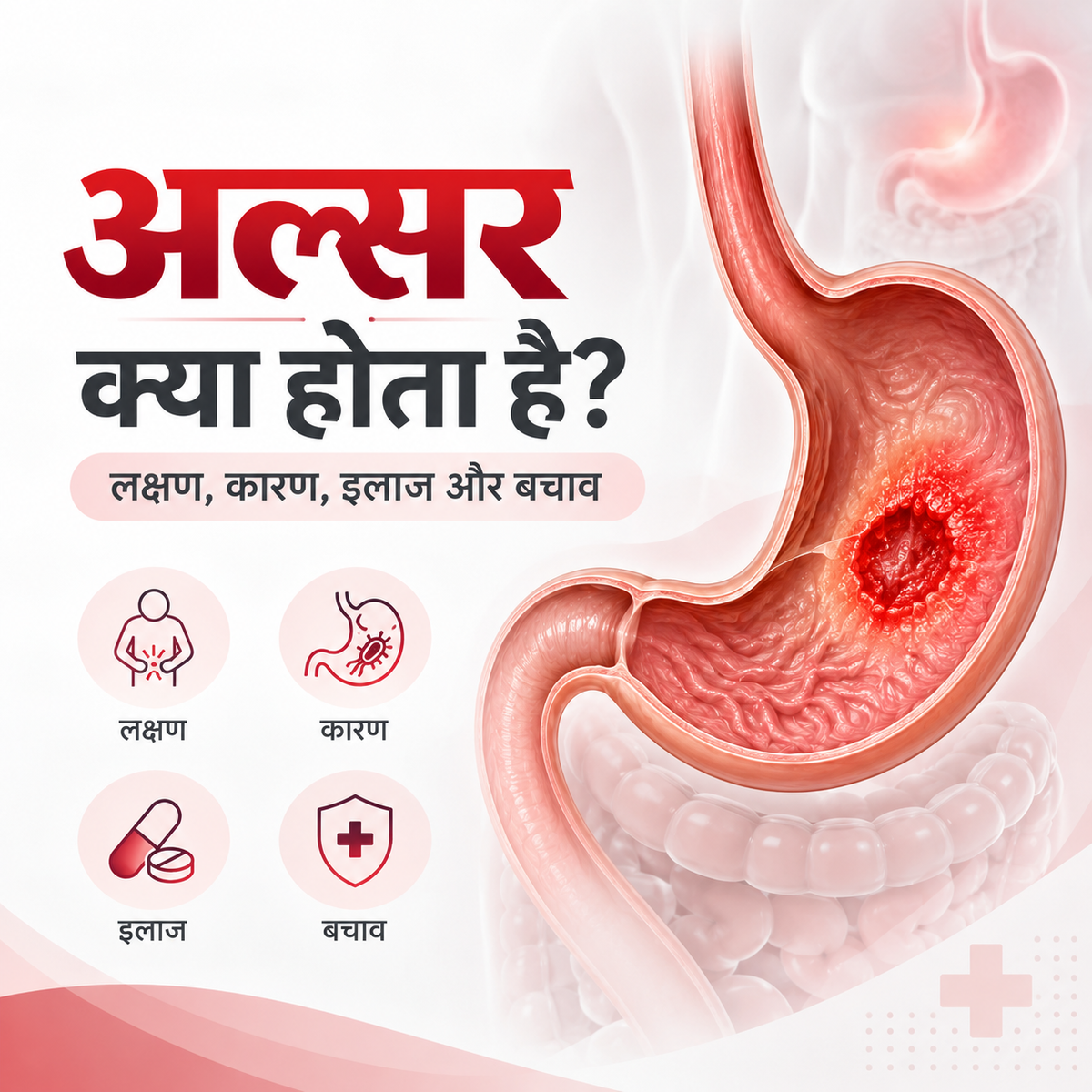
A peptic ulcer is an open sore affecting the lining of the stomach or the first part of the small intestine.
Ulcer-related pain is commonly described as burning or gnawing discomfort in the upper abdomen. Some people notice a relationship between their symptoms and meals.
Other symptoms may include nausea, bloating and indigestion.
Severe sudden abdominal pain, black stools or vomiting blood can indicate bleeding or another complication and requires immediate medical attention.
The pancreas is located behind the stomach. Inflammation of the pancreas, known as pancreatitis, can cause significant upper abdominal pain.
The pain may occur in the upper middle or upper-left abdomen and can spread towards the back.
Symptoms may include:
Acute pancreatitis can become serious and requires prompt medical evaluation.
The spleen is located in the upper-left portion of the abdomen beneath the ribs.
An enlarged or injured spleen may cause pain or tenderness in this area. A spleen injury is particularly concerning after a fall, road accident, sports injury or significant blow to the abdomen.
Sudden severe pain following trauma should not be ignored.
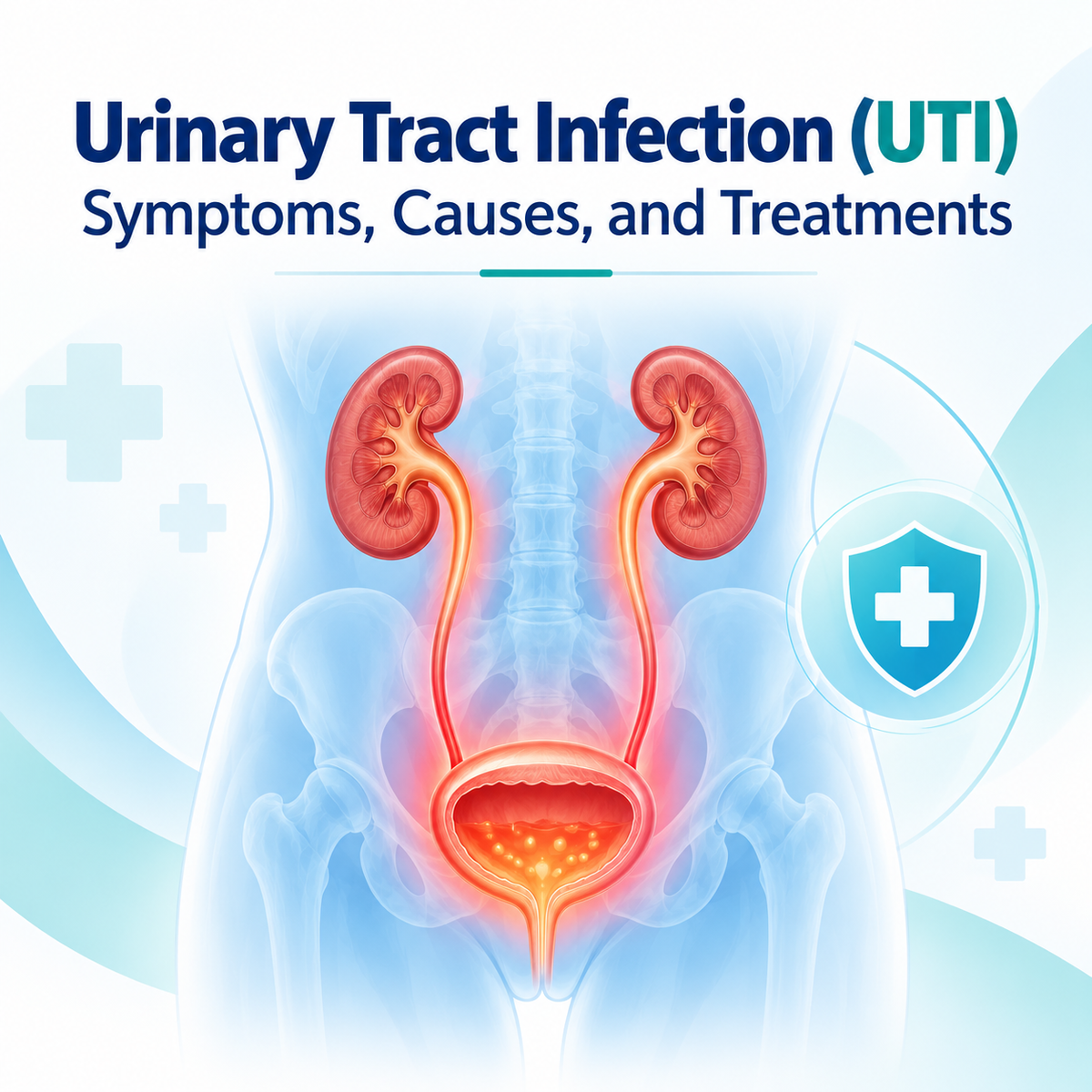
Although the kidneys are located towards the back, kidney-related pain may be felt in the side of the abdomen, flank, lower abdomen or back.
A kidney stone can cause severe pain that may occur in waves and sometimes travel towards the groin.
Associated symptoms can include:
A kidney infection may additionally cause fever, chills and urinary symptoms.
Constipation is a frequent cause of lower abdominal discomfort.
Symptoms can include:
Constipation may result from inadequate fibre intake, insufficient fluids, reduced physical activity, certain medications or underlying digestive conditions.
Persistent constipation, particularly with blood in the stool, unexplained weight loss or significant abdominal pain, should be evaluated by a doctor.
Small pouches called diverticula can develop in the wall of the colon. When one or more of these pouches become inflamed, the condition is called diverticulitis.
It commonly causes pain in the lower-left abdomen.
Other symptoms may include:
Persistent lower-left abdominal pain accompanied by fever or significant tenderness requires medical evaluation.
Irritable bowel syndrome, commonly called IBS, is a digestive disorder that can cause recurrent abdominal pain associated with changes in bowel movements.
Symptoms may include:
IBS pain can occur on either side of the abdomen and may change location.
Because several digestive conditions can cause similar symptoms, recurrent abdominal discomfort should be properly assessed rather than assumed to be IBS.
Inflammatory bowel diseases such as Crohn’s disease and ulcerative colitis can cause recurring abdominal pain.
Other possible symptoms include:
Anyone experiencing ongoing abdominal pain combined with persistent bowel changes should consult a specialist.
In women, lower-left abdominal or pelvic pain can sometimes originate from the reproductive system.
Possible causes include:
Sudden severe pelvic or lower abdominal pain, particularly during pregnancy or when associated with dizziness, fainting or abnormal bleeding, requires urgent medical attention.
Right side stomach pain can originate from the liver, gallbladder, appendix, right kidney, intestines or reproductive organs.
Just like left-sided abdominal pain, identifying whether the discomfort is in the upper-right or lower-right abdomen can help narrow down possible causes.
The gallbladder is located beneath the liver on the right side of the upper abdomen.
Gallstones may cause pain when they obstruct the normal flow of bile. The pain may occur in the upper-right or upper-middle abdomen and can be severe.
Symptoms may include:
Some gallstones do not cause any symptoms, while symptomatic gallstones may require medical or surgical treatment.
Inflammation of the gallbladder, known as cholecystitis, can cause persistent pain in the upper-right abdomen.
Possible symptoms include:
Persistent severe pain accompanied by fever should be evaluated urgently.
The liver occupies a large portion of the upper-right abdomen.
Certain liver conditions can cause discomfort or a feeling of heaviness in this region. Depending on the underlying condition, symptoms may include:
Yellowing of the eyes or skin, known as jaundice, requires medical evaluation.
Kidney stones or kidney infections affecting the right kidney can cause pain on the right side of the abdomen, flank or back.
Kidney stone pain can be extremely intense and may travel towards the lower abdomen or groin.
A kidney infection may cause:
Fever combined with flank pain and urinary symptoms should not be ignored.
Appendicitis is one of the most important conditions associated with lower-right abdominal pain.
The pain may initially begin around the belly button and later move towards the lower-right abdomen. It often becomes progressively worse.
Symptoms can include:
Appendicitis requires urgent medical treatment. Delaying treatment can increase the risk of complications.
Gastrointestinal infections can cause pain anywhere in the abdomen, including the right side.
Common associated symptoms include:
Many mild infections improve with hydration and supportive care. However, persistent vomiting, high fever, blood in the stool, severe pain or signs of dehydration require medical attention.
Crohn’s disease can affect different parts of the gastrointestinal tract. When the lower portion of the small intestine is affected, discomfort may occur in the lower-right abdomen.
Symptoms can include:
Diagnosis generally requires a detailed evaluation and may involve blood tests, stool tests, imaging or endoscopic procedures.
Lower-right abdominal pain in women may also be associated with conditions affecting the right ovary or fallopian tube.
Possible causes include ovarian cysts, ovarian torsion, pelvic inflammatory disease, ovulation pain and ectopic pregnancy.
Severe sudden pelvic pain, fainting, dizziness or pain accompanied by abnormal vaginal bleeding should be treated as potentially urgent.
Although there is considerable overlap, certain conditions are more commonly associated with particular areas.
Left upper abdominal pain may be associated with the stomach, pancreas, spleen, colon or left kidney.
Left lower abdominal pain may occur with constipation, diverticulitis, bowel disorders or certain gynaecological conditions.
Right upper abdominal pain may be associated with the gallbladder, liver, bile ducts, intestines or right kidney.
Right lower abdominal pain may occur with appendicitis, intestinal disorders, urinary conditions or certain gynaecological problems.
It is important to remember that these are general patterns rather than fixed rules. Pain can spread or be felt away from the organ causing it.
For example, gallbladder pain can radiate towards the shoulder, kidney stone pain can travel towards the groin, and pancreatitis may cause pain extending towards the back.
Apart from location, the nature of abdominal pain can also help doctors identify possible causes.
Sudden sharp abdominal pain can occur with several conditions, including kidney stones, gallstones, appendicitis and other acute abdominal problems.
Severe sudden pain should be evaluated promptly, particularly if it continues to worsen.
Cramping is often associated with contractions of the intestines.
Possible causes include:
The severity and associated symptoms determine whether medical evaluation is required.
Burning discomfort in the upper abdomen may occur with acid-related digestive problems, gastritis or peptic ulcers.
Frequent burning pain, especially if associated with vomiting, black stools, unexplained weight loss or difficulty eating, should be investigated.
Intermittent pain may occur with gas, bowel spasms or stone-related conditions.
Severe pain that repeatedly occurs in waves can sometimes be associated with kidney or gallbladder stones and should be evaluated.
Constant pain that persists or progressively worsens is more concerning than brief, mild discomfort.
Persistent pain can occur with inflammation, infection or other abdominal conditions and should not be repeatedly treated at home without understanding its cause.
Pay attention to symptoms occurring along with abdominal pain.
Important associated symptoms include:
These additional symptoms can provide important diagnostic information.
Not every stomach ache requires emergency care. However, certain symptoms should never be ignored.
Seek immediate medical attention if abdominal pain is:
Severe lower-right abdominal pain with fever, nausea or vomiting also needs urgent assessment because appendicitis is one possible cause.
Do not wait for severe abdominal symptoms to disappear on their own when warning signs are present.
Even when abdominal pain is not an emergency, you should consider consulting a doctor when:
Recurring abdominal pain should not automatically be attributed to “gas” or “acidity.” Identifying the actual cause can help ensure that the right treatment is started at the right time.
Diagnosis begins with a detailed medical history and physical examination.
A doctor may ask:
Depending on the suspected condition, further investigations may be advised.
These may include blood tests, urine tests, ultrasound, CT scan, pregnancy testing when appropriate, stool investigations or endoscopy.
The exact tests depend on the symptoms, age, medical history and findings during examination.
There is no single treatment for abdominal pain because treatment depends entirely on the cause.
For example, constipation may require dietary and lifestyle changes, while bacterial infections may require specific treatment. Kidney stones may require pain management and further procedures depending on their size and location. Gallbladder disease or appendicitis may require surgical assessment.
Therefore, repeatedly taking medicines for stomach pain without determining the cause may delay appropriate treatment.
Mild abdominal discomfort caused by overeating, temporary indigestion or gas may improve with simple measures.
These may include:
However, home remedies should not be used to delay medical care when the pain is severe, persistent, recurrent or accompanied by warning signs.
Avoid repeatedly taking painkillers or laxatives without medical advice for unexplained abdominal pain because they may be inappropriate for certain conditions.
Not every cause of abdominal pain can be prevented, but healthy digestive habits may reduce some common problems.
Fruits, vegetables, whole grains and other fibre-containing foods can support healthy bowel movements.
Increase fibre gradually, especially if your usual diet contains very little fibre.
Adequate water intake supports normal digestion and may help reduce constipation.
Large meals can contribute to indigestion, bloating and abdominal discomfort in some people.
Smaller, balanced meals may be easier to digest.
Some people repeatedly experience symptoms after specific foods.
Keeping track of meals and symptoms may help identify patterns, but restrictive diets should not be started unnecessarily without professional advice.
Regular physical activity can support overall digestive and bowel health.
Frequent use of certain medicines can affect the digestive system. If you regularly need painkillers, antacids, laxatives or other digestive medicines, discuss this with your doctor.
Abdominal pain can sometimes involve more than one organ system, which is why an accurate diagnosis is important before treatment begins.
At Metro Hospital, Faridabad, patients with persistent, recurrent or severe abdominal symptoms can receive evaluation supported by multidisciplinary medical and surgical care. Depending on the suspected cause, assessment may involve specialists from Gastroenterology, General & Laparoscopic Surgery, Internal Medicine, Urology, Gynaecology or other relevant departments.
Diagnostic facilities such as laboratory investigations and advanced imaging can help doctors determine whether abdominal pain is related to the digestive tract, gallbladder, liver, kidneys, appendix or another underlying condition.
If left or right side stomach pain continues, becomes more severe or occurs with warning symptoms, timely medical evaluation can help identify the cause and guide appropriate treatment.
For emergency symptoms, seek immediate medical care rather than waiting for a routine consultation.
Left side stomach pain can occur due to gas, indigestion, constipation and several other digestive conditions. Lower-left pain may also be associated with diverticular disease, while upper-left discomfort can involve the stomach, pancreas, spleen or left kidney. The exact cause depends on the pain pattern and accompanying symptoms.
Right side abdominal pain may be caused by the gallbladder, liver, appendix, kidney or intestines. Upper-right pain may occur with gallbladder or liver conditions, while lower-right pain is commonly considered when evaluating appendicitis.
Appendicitis most commonly causes pain in the lower-right abdomen. The pain may initially begin around the belly button before shifting towards the lower-right side. It may progressively worsen and occur with nausea, vomiting, loss of appetite or fever.
Yes. Gas trapped in the intestines can sometimes cause discomfort that feels more prominent on one side. Gas pain may be accompanied by bloating, burping or changes after passing gas. Persistent or severe one-sided pain should not automatically be assumed to be gas.
Possible causes of lower-left abdominal pain include constipation, gas, diverticulitis, IBS and other bowel conditions. In women, ovarian or other gynaecological conditions can also cause pain in this region.
Gallbladder-related conditions are among the possible causes of upper-right abdominal pain, particularly when symptoms occur after meals. Other digestive or liver-related conditions can also cause discomfort in this area, so recurring pain should be evaluated by a doctor.
Yes. Kidney stones may cause severe pain in the side, back or abdomen. The pain can travel towards the lower abdomen or groin and may occur in waves. Nausea, vomiting or blood in the urine may also occur.
Seek medical attention if stomach pain is severe, rapidly worsening, persistent or associated with fever, repeated vomiting, abdominal swelling, blood in the stool or vomit, fainting, breathing difficulty, jaundice or severe tenderness. Sudden severe pain should be treated as potentially urgent.
Yes. Constipation can cause lower abdominal cramping, bloating and discomfort, including pain on the left side where part of the large intestine is located. Persistent constipation or pain accompanied by bleeding or weight loss requires medical evaluation.
A physician or gastroenterologist can evaluate recurrent abdominal pain and determine whether further investigations are required. Depending on the cause, treatment may involve a gastroenterologist, surgeon, urologist, gynaecologist or another specialist.
Left vs. right side stomach pain can provide useful clues about which organs or conditions may be involved, but the location of pain alone cannot establish a diagnosis.
Left-sided abdominal pain may be associated with gas, constipation, stomach conditions, diverticulitis, kidney problems, pancreatic disorders or certain gynaecological conditions. Right-sided pain may be related to the gallbladder, liver, appendix, kidney, intestines or reproductive organs.
Pay particular attention to how the pain begins, how severe it is, whether it moves to another area and whether symptoms such as fever, vomiting, bowel changes, urinary problems, jaundice or bleeding are present.
Most importantly, do not ignore severe, worsening or persistent abdominal pain.
If you are experiencing recurring left or right side stomach pain, consult the specialists at Metro Hospital, Faridabad for appropriate evaluation, diagnosis and treatment. Early medical assessment can help distinguish common digestive discomfort from conditions that may require urgent or specialised care.
Disclaimer: This information is intended for general health awareness and should not be used as a substitute for professional medical diagnosis or treatment. If you have severe or rapidly worsening abdominal pain or other emergency symptoms, seek immediate medical care.