Appointment
 Find A Doctor
 Lab Report
Cancer Warning Signs: 12 Symptoms You Should Never Ignore
Oct 26, 2026
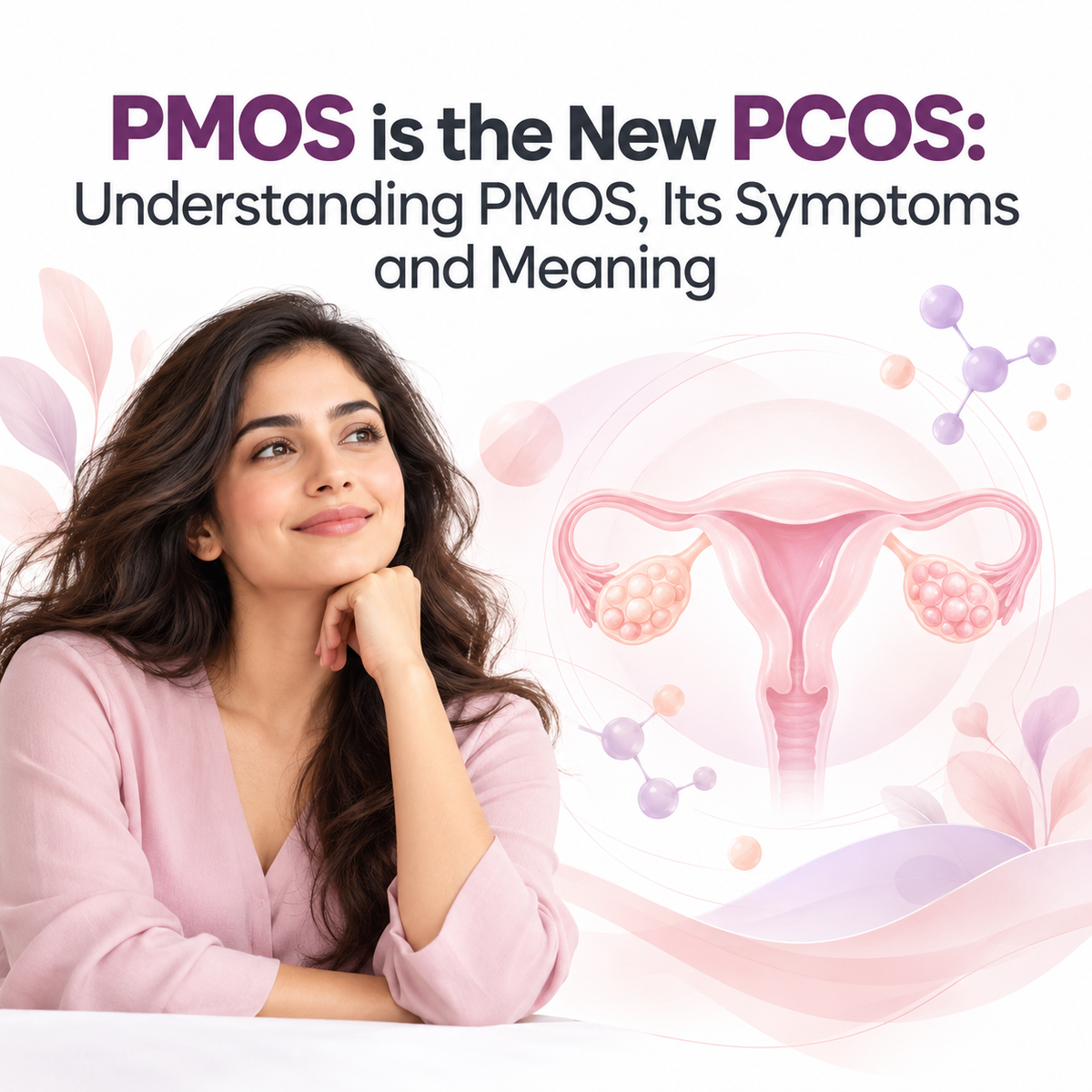
For years, millions of women have been familiar with the term PCOS, or Polycystic Ovary Syndrome. In 2026, however, the condition received a new and more accurate name: PMOS, or Polyendocrine Metabolic Ovarian Syndrome.
So, is PMOS a completely new disease?
No.
PMOS is the new name for the condition previously known as PCOS. The change was introduced to better reflect the fact that the condition is not simply about ovarian “cysts.” It is a complex hormonal and metabolic disorder that can affect menstrual cycles, ovulation, weight, insulin function, skin, hair, fertility and long-term health.
The updated name is important because many women with the condition do not actually have ovarian cysts, while some may experience significant metabolic or hormonal symptoms even when their ovarian ultrasound is normal.
For women experiencing irregular periods, unexplained weight changes, acne, excess facial hair, difficulty conceiving or other hormone-related symptoms, understanding PMOS meaning, PMOS symptoms and PMOS treatment can help them seek timely medical evaluation.
At Metro Hospital, Faridabad, women with suspected PMOS can access comprehensive evaluation through the Obstetrics and Gynaecology Department, along with endocrinology, fertility and nutrition support when required.
PMOS stands for Polyendocrine Metabolic Ovarian Syndrome.
It is the new name for what was previously called Polycystic Ovary Syndrome, or PCOS.
The change in terminology recognises that the condition involves much more than the ovaries.
The name can be understood in three parts:
“Polyendocrine” means that multiple hormone systems may be involved.
Women with PMOS may experience abnormalities in hormones such as:
The word “metabolic” highlights the relationship between PMOS and conditions such as:
The ovaries remain an important part of the condition because PMOS may affect:
The term PMOS therefore provides a broader and more accurate description of the condition.
Yes.
PMOS and PCOS refer to the same underlying condition.
The change is mainly in the name rather than the disease itself.
PCOS was renamed PMOS in May 2026 after a large international consensus process involving professional organisations, researchers and patient groups.
One of the major reasons for the change was that the term “polycystic ovary” could be misleading.
Women with the condition do not always have ovarian cysts, and the structures often seen on ultrasound are usually immature ovarian follicles rather than true pathological cysts.
At the same time, PMOS can affect many areas of health beyond the ovaries, including metabolism, insulin sensitivity, skin, menstrual function and fertility.
That is why the new name better reflects the full nature of the condition.
The term PCOS focused heavily on the appearance of the ovaries.
However, over decades of research, doctors recognised that the condition is far more complex.
The name was changed because:
A woman can have PMOS even if her ovaries do not show the typical appearance on ultrasound.
Abnormal androgen levels and disturbances in hormonal regulation are central to the condition.
Many women with PMOS have insulin resistance or an increased risk of metabolic health problems.
PMOS may influence:
This broader understanding is the main reason the term Polyendocrine Metabolic Ovarian Syndrome was chosen.
PMOS is one of the most common hormonal conditions affecting women of reproductive age.
International medical organisations estimate that the condition affects around 1 in 8 women, or more than 170 million women globally.
However, many women remain undiagnosed because symptoms vary significantly.
Some women develop irregular periods and acne during adolescence, while others may not realise they have PMOS until they have difficulty becoming pregnant.
There is no single known cause of PMOS.
Instead, the condition is believed to develop due to a combination of:
Different women may have different combinations of these factors.
Insulin is a hormone that helps glucose move from the bloodstream into cells, where it can be used for energy.
In insulin resistance, the body’s cells do not respond effectively to insulin.
As a result, the pancreas may produce more insulin to keep blood glucose within the normal range.
High insulin levels can influence ovarian hormone production and may contribute to increased androgen levels.
This can lead to symptoms such as:
Not every woman with PMOS has insulin resistance, but it is a common metabolic feature.
Women with concerns about insulin resistance, weight changes or abnormal blood sugar may also benefit from assessment through the Diabetes and Endocrinology Department at Metro Hospital, Faridabad.
PMOS does not look the same in every woman.
Some may experience only mild menstrual irregularities, while others have several hormonal, metabolic and fertility-related symptoms.
Common symptoms include:
Irregular menstrual cycles are among the most common signs of PMOS.
A woman may experience:
These changes often occur because ovulation is not happening regularly.
Ovulation is the release of an egg from the ovary.
Women with PMOS may ovulate irregularly or may not ovulate during some menstrual cycles.
Irregular ovulation can affect fertility and menstrual regularity.
Higher levels of androgens can cause increased hair growth, known medically as hirsutism.
Hair may appear more prominently on areas such as:
The degree of hair growth varies significantly between individuals.
Hormonal imbalances associated with PMOS can stimulate oil production in the skin.
This may result in:
Acne caused by hormonal imbalance may be difficult to control using routine skincare alone.
Some women with PMOS experience unexplained weight gain or find it difficult to lose weight despite dietary changes.
Insulin resistance and hormonal changes can contribute to this problem.
However, it is important to understand that PMOS can also occur in women who are lean or have a normal body weight.
Being thin does not rule out PMOS.
PMOS-related androgen changes may lead to thinning of scalp hair.
Some women notice widening of the hair parting or gradual hair loss from the top of the scalp.
Insulin resistance can sometimes cause dark, thickened patches of skin known as acanthosis nigricans.
These commonly appear around:
These changes may indicate underlying insulin resistance and should be medically evaluated.
PMOS is one of the most common causes of infertility related to irregular ovulation.
If ovulation does not occur regularly, the chances of conception may be reduced.
However, having PMOS does not mean that pregnancy is impossible.
Many women with PMOS conceive naturally or with appropriate medical treatment.
Women experiencing difficulty conceiving can seek fertility evaluation through the IVF and Infertility Centre at Metro Hospital, Faridabad.
Living with irregular periods, acne, excess hair growth, weight changes or fertility concerns can affect emotional wellbeing.
Some women with PMOS experience:
Emotional health should be considered an important part of overall PMOS care.
Yes.
This is one of the most important facts behind the change from PCOS to PMOS.
Ovarian cysts are not required for a diagnosis of PMOS.
Some women have:
but do not have the classic ovarian appearance on ultrasound.
This is why the old name “Polycystic Ovary Syndrome” was considered misleading.
PMOS is primarily a hormonal and metabolic condition rather than simply a problem of ovarian cysts.
There is no single test that can confirm PMOS.
Diagnosis usually involves a combination of medical history, physical examination, blood tests and sometimes ultrasound.
Doctors may evaluate:
The doctor will ask about:
The doctor may assess symptoms such as:
Blood tests may also be used to measure androgen levels.
Ultrasound may be recommended to examine the ovaries.
However, ultrasound findings are not always necessary for diagnosis.
Depending on the patient’s symptoms, investigations may include:
Testing can also help rule out other conditions that may cause similar symptoms.
Several medical conditions can cause symptoms similar to PMOS.
These may include:
For this reason, self-diagnosing PMOS based only on irregular periods or acne is not recommended.
A proper medical evaluation is important.
There is currently no single cure for PMOS, but symptoms can often be managed effectively.
Treatment is personalised depending on:
Lifestyle measures form an important part of PMOS care, particularly for women with insulin resistance or excess weight.
These may include:
Even modest improvements in weight and metabolic health may improve menstrual regularity and insulin sensitivity in some women.
At Metro Hospital, women who need structured dietary support can also access Nutrition and Dietetics services, including nutrition support for PCOS/PMOS and weight management.
Doctors may prescribe hormonal medicines to regulate menstrual cycles.
The exact medicine depends on the patient’s age, symptoms and pregnancy plans.
Cycle regulation can also help protect the uterine lining in women who have very infrequent periods.
Some women with PMOS and insulin resistance may be prescribed medicines that improve the body’s response to insulin.
These medicines should only be taken after appropriate medical evaluation.
Depending on symptoms, treatment may include:
A combined gynaecology and dermatology approach may sometimes be useful.
Women who wish to conceive may need treatment to support ovulation.
Treatment depends on:
Options may include ovulation-inducing medicines, IUI or IVF depending on the clinical situation.
PMOS can affect fertility because irregular ovulation makes conception less predictable.
However, many women with PMOS successfully become pregnant.
Some conceive naturally after lifestyle and hormonal improvements.
Others may require ovulation induction or fertility treatment.
A diagnosis of PMOS should therefore not automatically be interpreted as infertility.
Early evaluation is especially helpful for women who:
Women with PMOS may have an increased risk of insulin resistance and type 2 diabetes.
The risk may be higher in women who also have:
Regular metabolic screening may therefore be recommended depending on individual risk.
PMOS can be associated with metabolic abnormalities including:
Not every woman develops these problems, but regular health monitoring may help identify risk factors early.
Diagnosing PMOS in adolescents can be challenging because irregular periods and acne can be common during puberty.
A specialist may consider:
Ultrasound alone should not be used to diagnose PMOS in teenagers.
Persistent symptoms should be evaluated by a gynaecologist or endocrinologist.
Women with PMOS can have healthy pregnancies.
However, some may have a higher risk of certain pregnancy-related conditions, particularly when insulin resistance or obesity is present.
These may include:
Preconception counselling can help women optimise their health before pregnancy.
PMOS is generally considered a long-term hormonal and metabolic condition.
Symptoms can change at different stages of life.
For example:
Treatment therefore needs to evolve according to a woman’s current health priorities.
Consult a gynaecologist or endocrinologist if you experience:
Early evaluation can help identify PMOS and also exclude other hormonal conditions.
Because PMOS can affect reproductive, hormonal and metabolic health, treatment may sometimes require care from more than one speciality.
At Metro Hospital, Faridabad, women can access coordinated care through the Centre of Excellence in Obstetrics and Gynaecology.
The department provides evaluation and treatment for:
For women with significant insulin resistance, obesity, thyroid problems or other hormonal concerns, the Diabetes and Endocrinology Department can provide additional endocrine and metabolic assessment.
Women trying to conceive can also access the Infertility and IVF Centre for fertility evaluation and treatment where required.
This multidisciplinary approach is particularly useful because PMOS is not only an ovarian condition—it can involve reproductive health, metabolism, hormones, nutrition and fertility.
PMOS stands for Polyendocrine Metabolic Ovarian Syndrome. It is the new name for the condition previously known as Polycystic Ovary Syndrome or PCOS.
No. PMOS is the updated name for PCOS. The condition itself has not suddenly changed. The new name reflects the broader hormonal and metabolic effects more accurately.
PCOS was renamed because the condition is not simply caused by ovarian cysts. It involves multiple hormone systems, metabolism, menstrual health and fertility.
Common PMOS symptoms include irregular periods, excess facial or body hair, acne, weight changes, scalp hair thinning, insulin resistance and difficulty conceiving.
Yes. Ovarian cysts or polycystic ovarian appearance are not required in every case. Women can meet diagnostic criteria based on irregular ovulation and androgen-related symptoms or laboratory findings.
Yes. PMOS can affect women of any body size. Although obesity and insulin resistance are common in some patients, women with a normal or low body weight can also have PMOS.
There is currently no permanent cure for PMOS, but symptoms and long-term health risks can often be managed effectively through lifestyle measures, medicines and appropriate specialist care.
PMOS can make conception more difficult because ovulation may be irregular. However, many women with PMOS become pregnant naturally or with fertility treatment.
A gynaecologist is often the first specialist to consult. Depending on symptoms, an endocrinologist, fertility specialist, dermatologist or dietitian may also be involved.
Women with symptoms of PMOS can consult the Obstetrics and Gynaecology specialists at Metro Hospital, Faridabad. Endocrinology, fertility and nutrition services are also available when multidisciplinary care is required.
The change from PCOS to PMOS represents an important shift in how this common women’s health condition is understood.
Polyendocrine Metabolic Ovarian Syndrome is a more accurate name because the condition extends far beyond ovarian appearance. It can affect hormones, metabolism, menstrual cycles, skin, weight, ovulation and fertility.
The change also helps correct one of the biggest misconceptions about the condition: you do not need to have ovarian cysts to have PMOS.
If you are experiencing irregular periods, persistent acne, excessive facial hair, unexplained weight changes or difficulty becoming pregnant, do not ignore these symptoms.
A proper evaluation can help determine whether PMOS or another hormonal condition is responsible.
At Metro Hospital, Faridabad, women with suspected PMOS can access comprehensive care through Obstetrics and Gynaecology, Endocrinology, Nutrition and Fertility services, allowing treatment to be personalised according to reproductive and metabolic health needs.
Understanding PMOS is the first step towards managing it effectively.
PMOS is not simply a problem of the ovaries—it is a broader hormonal and metabolic condition that deserves comprehensive, individualised care.
Disclaimer: This blog is intended for general health awareness and educational purposes only. It does not replace professional medical advice, diagnosis or treatment. Consult a qualified healthcare professional for individual assessment and treatment.