 Appointment
 Find A Doctor
 Lab Report
Global Iodine Deficiency Disorders Prevention Day 2026: Importance, Symptoms, Prevention and Role of Iodized Salt
Oct 17, 2026
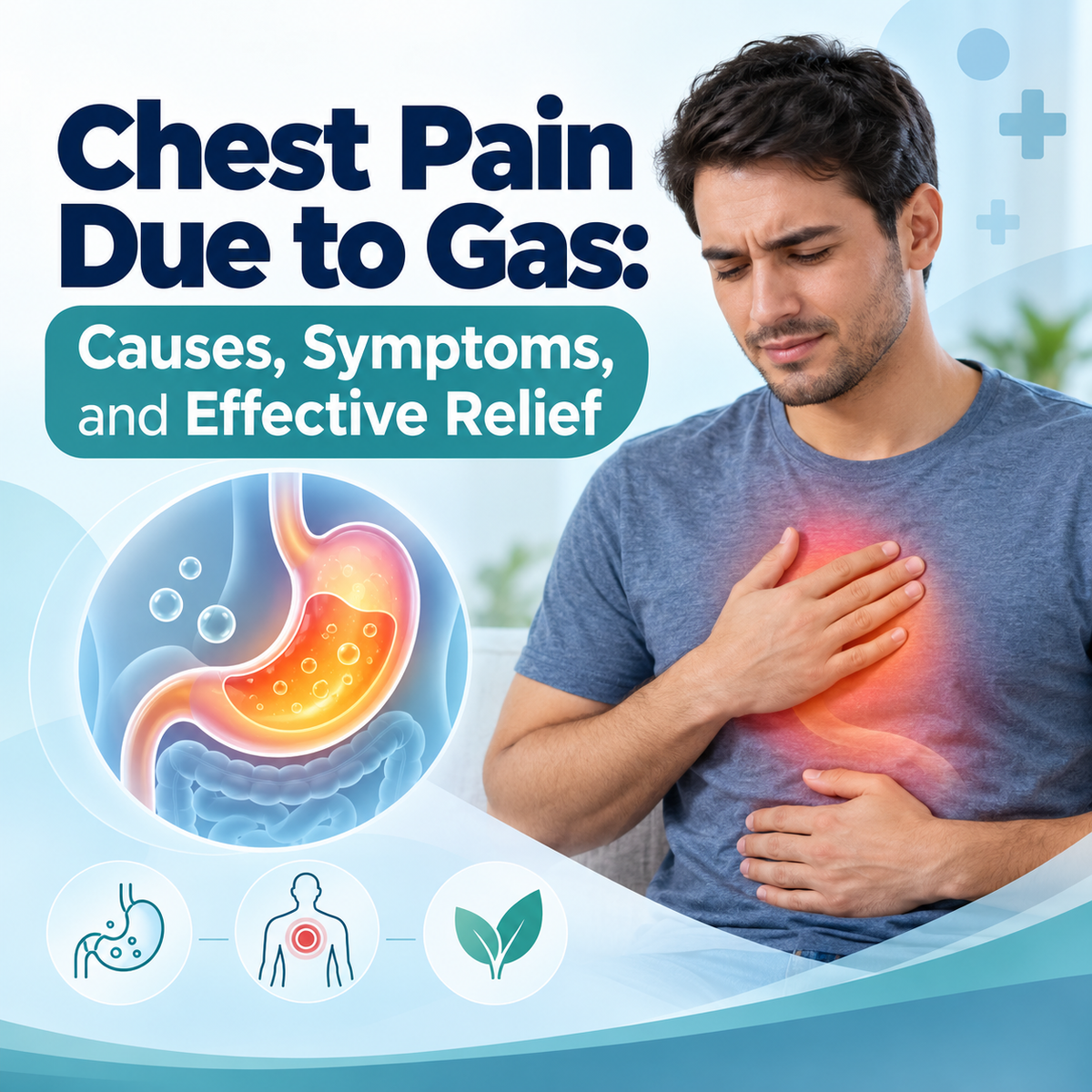
Chest pain can be frightening because many people immediately associate it with a heart problem. However, chest discomfort can also arise from digestive conditions such as gas, acidity, acid reflux, bloating, or indigestion.
One common question is: Can gas cause chest pain?
Yes, trapped gas and digestive problems can sometimes cause pressure, tightness, burning, or discomfort in the chest. But there is an important caution: gas-related chest pain can sometimes feel similar to heart-related pain, and it is not always possible to tell the difference based on symptoms alone.
That means new, severe, persistent, or unexplained chest pain should never simply be assumed to be “gas.”
At Metro Hospital, Faridabad, patients with digestive symptoms such as gas, bloating, acidity, abdominal discomfort, and GERD can seek evaluation through the Medical Gastroenterology Department. Patients with suspected heart-related chest pain can be evaluated through the Cardiology Department, which offers advanced cardiac diagnostic and interventional services.
This guide explains chest pain due to gas, common causes, symptoms, how it differs from heart-related pain, home remedies, treatment, warning signs, and when to seek urgent medical care.
Yes. Gas can sometimes cause discomfort in the upper abdomen or chest.
Gas is a normal part of digestion, but discomfort can occur when it becomes trapped or does not move through the digestive tract easily. Gas-related symptoms commonly include bloating, abdominal pressure, burping, cramps, and fullness.
When gas accumulates in the upper digestive tract, the pressure may sometimes be perceived as discomfort beneath or behind the chest.
However, digestive causes of chest discomfort are not limited to intestinal gas. Acid reflux and heartburn are particularly common causes of burning chest pain.
Heartburn occurs when stomach acid moves back into the oesophagus, causing a burning sensation behind the breastbone.
Gas-related chest discomfort can vary from person to person.
It may feel like:
Some people may also experience:
If the pain occurs after a large meal and is associated with bloating or burping, a digestive cause may be more likely.
But this isn’t enough to safely rule out a heart problem.
There are several possible mechanisms.
Gas can accumulate in the stomach or intestines when digestion produces excess gas or when swallowed air becomes trapped.
This can create pressure and discomfort.
Air can enter the digestive tract while:
Swallowed air commonly leads to burping and abdominal gas.
Acid reflux is one of the most common digestive causes of chest discomfort.
It occurs when stomach contents move backwards into the oesophagus.
This may cause:
Mayo Clinic notes that heartburn typically causes burning behind the breastbone and often worsens after meals, when bending over, or when lying down.
When acid reflux occurs repeatedly or significantly affects daily life, doctors may diagnose it as gastro-oesophageal reflux disease, or GERD.
Metro Hospital’s Medical Gastroenterology Department specifically treats gastro-oesophageal reflux disease, acidity, heartburn, gas, bloating, and abdominal distension.
Indigestion or dyspepsia may cause:
Sometimes patients describe this discomfort as chest pressure.
Certain foods can increase fermentation and gas production.
Possible triggers include:
The exact trigger differs between individuals.
Irritable bowel syndrome, or IBS, can cause:
Although IBS usually causes abdominal symptoms rather than true chest pain, severe bloating may sometimes contribute to upper abdominal or lower chest discomfort.
Metro Hospital’s Gastroenterology Department also manages irritable bowel syndrome and other bowel disorders.
This is the most important section of this article.
Gas, heartburn, angina, and heart attack can sometimes produce overlapping symptoms.
Even healthcare professionals may need an ECG, blood tests, imaging, and a clinical exam to distinguish them reliably. Mayo Clinic specifically notes that severe heartburn and heart attack can sometimes feel very similar.
Digestive discomfort may be more likely when pain:
Heartburn frequently worsens when lying down or bending over and may be accompanied by acid regurgitation.
Heart-related chest pain may feel like:
The discomfort may spread to the:
Other warning symptoms can include:
Heart attack symptoms can vary significantly, and some people experience symptoms that resemble indigestion or heartburn.
Do not attempt to treat unexplained chest pain as gas at home if you are unsure about the cause.
Seek urgent emergency medical attention for:
Current medical first-aid guidance recommends emergency evaluation for sudden, severe, or unexplained chest pain lasting more than a few minutes.
Metro Hospital, Faridabad provides 24×7 Emergency and Trauma services for urgent medical problems.
You should have an especially low threshold for seeking medical evaluation if you have:
People with diabetes, older adults, and women may sometimes experience less typical heart-attack symptoms.
Understanding the trigger can help reduce repeated episodes.
Eating too fast increases the amount of air you swallow.
Try chewing slowly and eating without rushing.
Soft drinks, soda, and sparkling beverages introduce extra gas into the stomach.
Common triggers may include:
These foods are nutritious and do not need to be eliminated automatically. If a specific food repeatedly causes symptoms, you may need to adjust portion size or preparation method.
People with lactose intolerance may develop:
after consuming milk or certain dairy products.
When bowel movements slow, gas may build up and cause abdominal pressure.
Fatty foods can slow gastric emptying and worsen reflux or bloating in susceptible individuals.
Certain sugar alcohols can cause gas and diarrhoea in some people.
If serious causes have been excluded and the symptoms are clearly digestive, several simple measures may help.
Gentle walking can support digestion and help gas move through the digestive tract.
Avoid strenuous exercise immediately after a heavy meal.
Chew food thoroughly.
This reduces swallowed air and may improve digestion.
Large meals can increase stomach pressure and worsen both gas and acid reflux.
Consider smaller portions more frequently if large meals trigger symptoms.
This is particularly important if acid reflux contributes to the chest discomfort.
Try to remain upright after meals.
Reducing:
may decrease swallowed gas.
Keep a simple food-and-symptom record.
Note:
This may help identify repeat triggers.
Adequate:
may reduce constipation-associated bloating.
Increase fibre gradually because a sudden large increase may temporarily worsen gas.
If your symptoms are from reflux rather than intestinal gas, management may differ.
Helpful lifestyle steps include:
Foods commonly associated with heartburn in susceptible people include spicy foods, fatty foods, chocolate, caffeine, alcohol, tomato products, and carbonated drinks.
Medication depends on the underlying cause.
For heartburn, commonly used categories may include:
These neutralise stomach acid and may provide relatively fast relief.
These reduce acid production.
PPIs reduce stomach acid production and are commonly used for frequent acid reflux or GERD.
Mayo Clinic lists antacids, H2 blockers, and proton pump inhibitors among common treatment options for heartburn.
However, recurrent chest pain should not simply be self-treated repeatedly with over-the-counter medicines.
If you depend on medicines frequently or symptoms persist, see a doctor.
A doctor may first determine whether the pain could be heart-related.
Depending on your symptoms and risk factors, evaluation may involve:
If a heart cause is excluded and symptoms suggest a digestive condition, further evaluation may include:
With chest pain, the priority is usually to rule out dangerous causes before assuming the problem is digestive.
Consider consulting a gastroenterologist if you regularly experience:
You should also seek medical assessment for digestive symptoms accompanied by:
Mayo Clinic recommends medical evaluation when gas symptoms persist or occur with concerning features such as weight loss, changes in bowel habits, bloody stool, recurrent vomiting, or chest discomfort.
Assess chest pain based on the most likely cause, but first rule out serious heart and lung conditions.
Metro Hospital offers care across both gastroenterology and cardiology, allowing patients with overlapping digestive and cardiac symptoms to be evaluated appropriately.
The Medical Gastroenterology Department at Metro Hospital, Faridabad manages conditions including:
The department’s specialist team currently includes Dr Vishal Khurana, Dr Neeraj Dhar, and Dr Ravi Sahay.
For chest pain that may be heart-related, patients can seek evaluation through the Cardiology Department at Metro Hospital, Faridabad.
Metro Heart Institute provides advanced cardiac diagnostics including:
along with interventional cardiology services where clinically required.
This combined availability of gastroenterology and cardiac services is particularly relevant because chest pain from reflux and chest pain from heart disease can sometimes overlap.
Yes. Trapped gas, bloating, indigestion, and acid reflux can produce upper abdominal or chest discomfort. However, you shouldn’t automatically assume new chest pain is caused by gas.
Gas-related discomfort may occur with bloating, burping, or meals, while heart-related pain may feel like pressure or squeezing and may spread to the arm, jaw, back, or neck. Unfortunately, the symptoms can overlap, so unexplained chest pain requires medical assessment.
Yes. Acid reflux can cause heartburn, which produces a burning sensation behind the breastbone and may worsen after eating or lying down.
Sometimes. If gas pressure is contributing to discomfort, burping or passing gas may bring relief. This does not reliably rule out other causes.
Gentle walking, avoiding carbonated drinks, eating slowly, treating constipation, and avoiding known trigger foods may help. Persistent or severe symptoms require medical evaluation.
Digestive discomfort can sometimes be felt on either side of the upper abdomen or chest. Left-sided chest pain should not automatically be labelled gas because the heart can also be a major cause.
Bloating can sometimes create a pressure sensation, but chest tightness with true breathlessness can also indicate a heart or lung emergency. Seek urgent care if symptoms are sudden, severe, or unexplained.
A gastroenterologist evaluates recurrent gas, bloating, GERD, indigestion, and other digestive problems.
Seek emergency help for sudden or unexplained chest pain, especially if it is severe, persistent, associated with breathlessness, sweating, fainting, or spreading pain.
Metro Hospital, Faridabad provides both Cardiology and Medical Gastroenterology services, allowing evaluation of chest pain based on possible cardiac and digestive causes.
Chest pain due to gas is possible, especially when digestive symptoms such as bloating, burping, indigestion, or acid reflux are present.
Common digestive causes include:
Simple measures such as eating smaller meals, eating more slowly, gentle walking, avoiding carbonated beverages, identifying trigger foods, and managing constipation may help reduce digestive discomfort.
But the most important message is this:
Never assume unexplained chest pain is only gas.
Heartburn and heart attack can sometimes feel similar, and even medical professionals may need diagnostic tests to distinguish them safely.
Seek urgent medical care if chest pain is severe, persistent, sudden, associated with shortness of breath or sweating, or spreads to the arm, back, neck, or jaw.
At Metro Hospital, Faridabad, digestive causes of chest discomfort can be evaluated through the Medical Gastroenterology Department, while suspected heart-related symptoms can be assessed through the Cardiology Department.
Early evaluation is particularly important when the cause of chest pain is uncertain.
Disclaimer: This article is intended for general health education and should not be used to self-diagnose chest pain. New, unexplained, or severe chest pain requires prompt medical evaluation.
Oct 17, 2026

Oct 17, 2026

Oct 15, 2026


