 Appointment
 Find A Doctor
 Lab Report
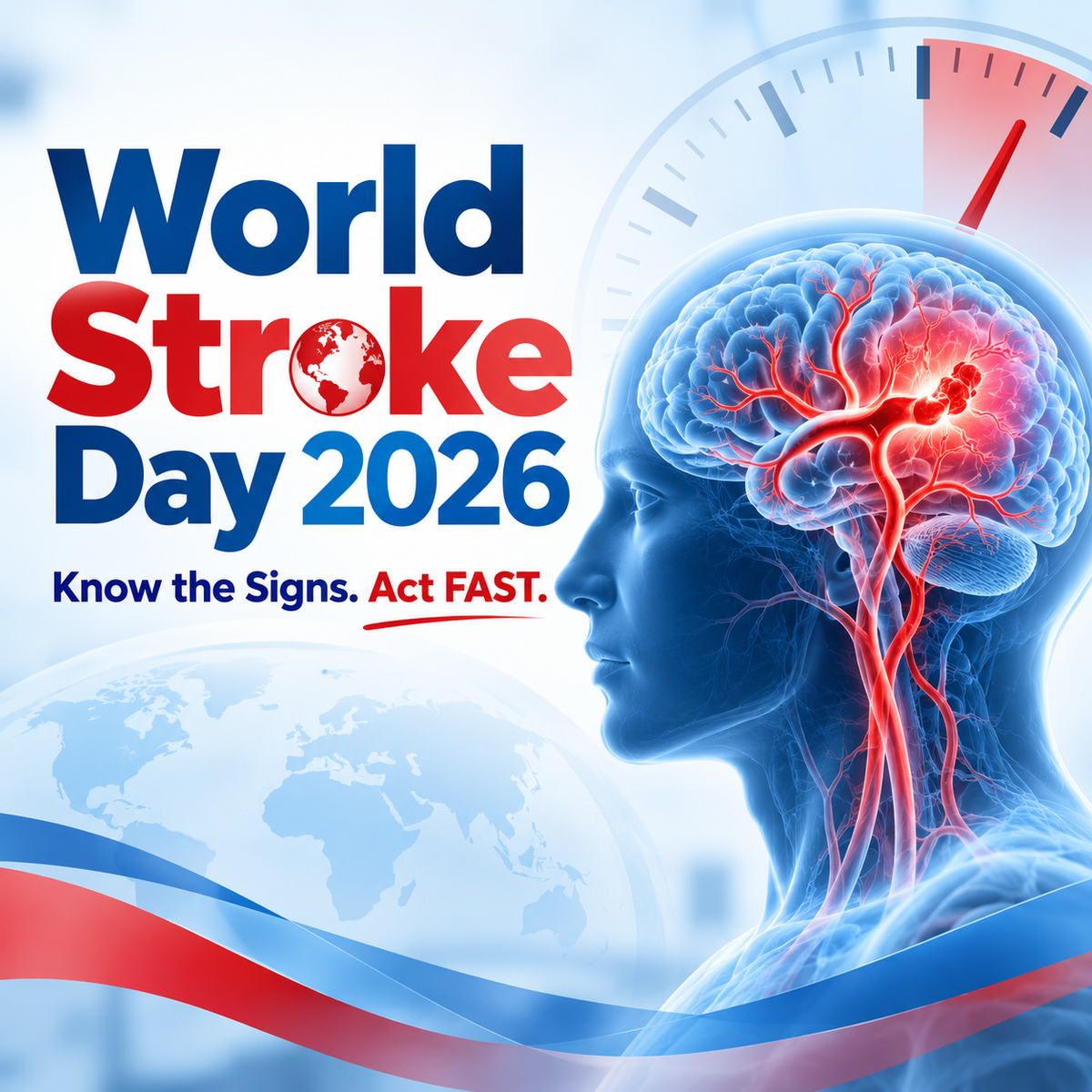
World Stroke Day 2026: Theme, Symptoms, FAST Warning Signs, Prevention and Treatment
Oct 21, 2026

Monsoon brings relief from the scorching heat, but along with the pleasant rains, it also brings a host of health challenges. One of the most common issues faced during this season is the effects of monsoon on respiratory health. From allergies to infections, the humid and damp environment becomes a breeding ground for problems. Understanding how monsoon weather affects your respiratory system can help you take better precautions and stay healthy.
The rise in humidity during the monsoon can significantly affect those with existing respiratory conditions, such as asthma or bronchitis. High humidity levels make it harder for the lungs to function optimally, leading to shortness of breath and chest congestion. People with chronic respiratory diseases should be extra cautious during this season as the effects of monsoon on respiratory health can trigger flare-ups and breathing difficulties.
Damp and wet environments are ideal for mold and fungi to thrive. These allergens become airborne and can easily be inhaled, leading to allergic reactions. Symptoms such as sneezing, coughing, runny nose, and wheezing are common. Individuals with asthma may experience more severe reactions, making it essential to keep living spaces dry and well-ventilated during the monsoon.
The monsoon season sees a surge in cases of respiratory infections like the common cold, flu, and pneumonia. The combination of damp air and fluctuating temperatures weakens the immune system, making it easier for viruses and bacteria to attack. Infections like bronchitis and sinusitis are also common during this time, often worsening if not treated promptly.
Though rain helps wash away airborne pollutants, the first few showers stir up dust, pollen, and other irritants. For individuals prone to allergies, this can aggravate their symptoms, causing sneezing, coughing, and even asthma attacks. Pollen levels may increase after rainfall, so it’s advisable to avoid outdoor activities immediately after it rains.
Prolonged exposure to cold and damp environments can lower your body’s defense mechanisms, making you more susceptible to respiratory infections. Your immune system may struggle to fight off infections during the monsoon, leading to frequent bouts of colds, coughs, and other respiratory illnesses.
Tips to Protect Your Respiratory Health During Monsoon
To minimize the effects of monsoon on respiratory health, here are a few simple tips:
Ensure that your home is free from dampness, which can lead to mold growth. Use dehumidifiers, ventilate your rooms, and clean damp areas to prevent fungal growth.
The air quality worsens during and immediately after heavy rains due to stirred-up allergens and pollutants. Stay indoors, especially if you have asthma or other respiratory conditions.
Good hygiene is crucial to avoid infections. Wash your hands frequently, avoid touching your face, and clean frequently-touched surfaces to prevent the spread of germs.
An air purifier can help reduce indoor pollution and remove allergens like mold, pollen, and dust. This can be particularly beneficial if you have a history of respiratory problems.
Drinking plenty of water and consuming foods rich in vitamins and antioxidants can strengthen your immune system, helping it fight infections more effectively.
If you experience persistent respiratory issues like shortness of breath, wheezing, or severe coughing, consult a healthcare professional. Early diagnosis and treatment can prevent more serious complications.
Conclusion
The effects of monsoon on respiratory health can be significant, with increased risks of allergies, infections, and respiratory conditions. By following simple preventive measures such as keeping your living spaces dry, maintaining hygiene, and avoiding outdoor exposure during peak rainfall, you can protect your lungs and enjoy the rainy season without compromising your health.
For more click here Blogs
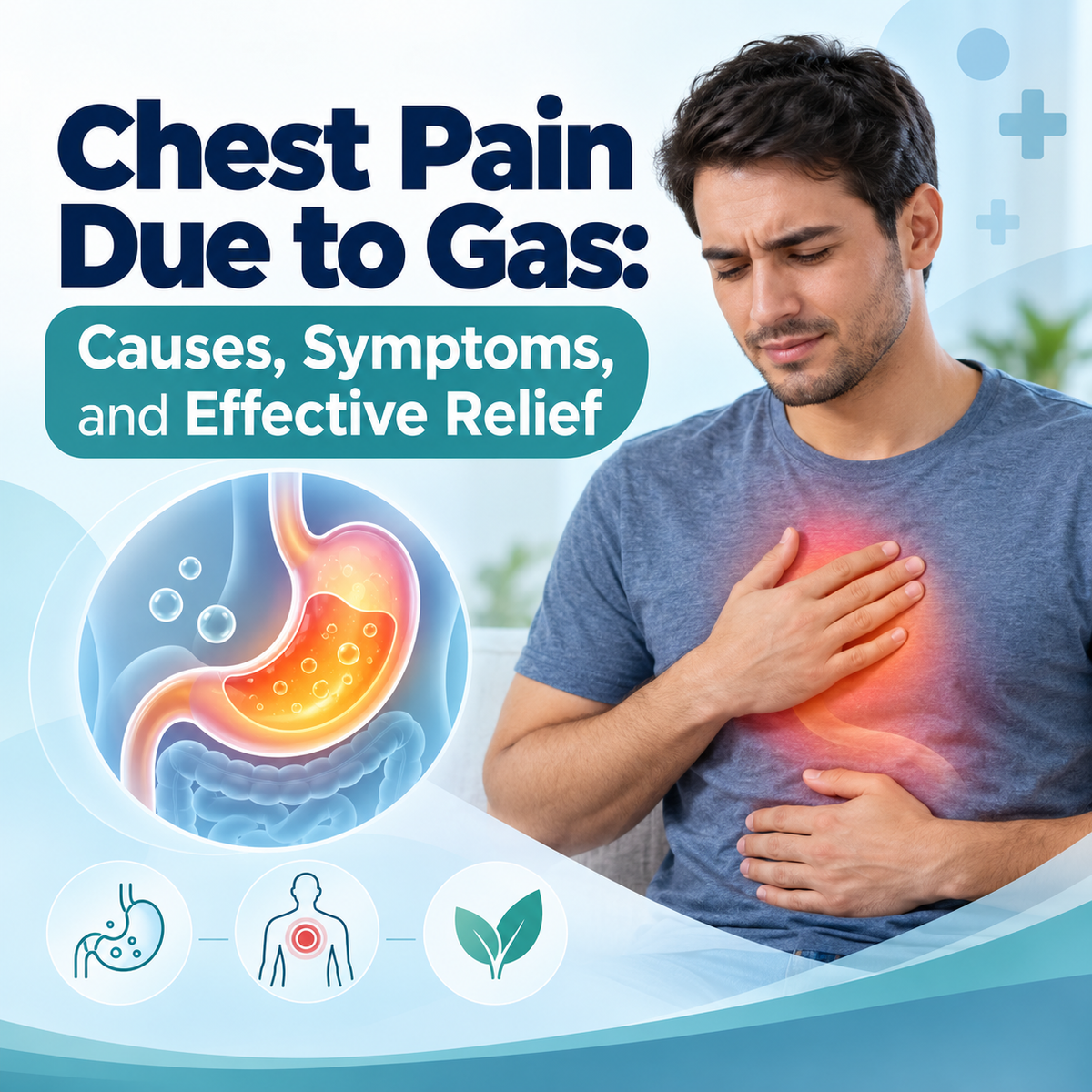
Chest pain can be frightening because many people immediately associate it with a heart problem. However, chest discomfort can also...

An MPV blood test measures the average size of your platelets, the small blood cells that help your body form...
Oct 21, 2026

Oct 21, 2026
Oct 21, 2026


